# Cycling

Your Ultimate Guide to the Roads of the 2026 Tour de France

Experience the roads that shape the Tour de France. From epic climbs to scenic descents.

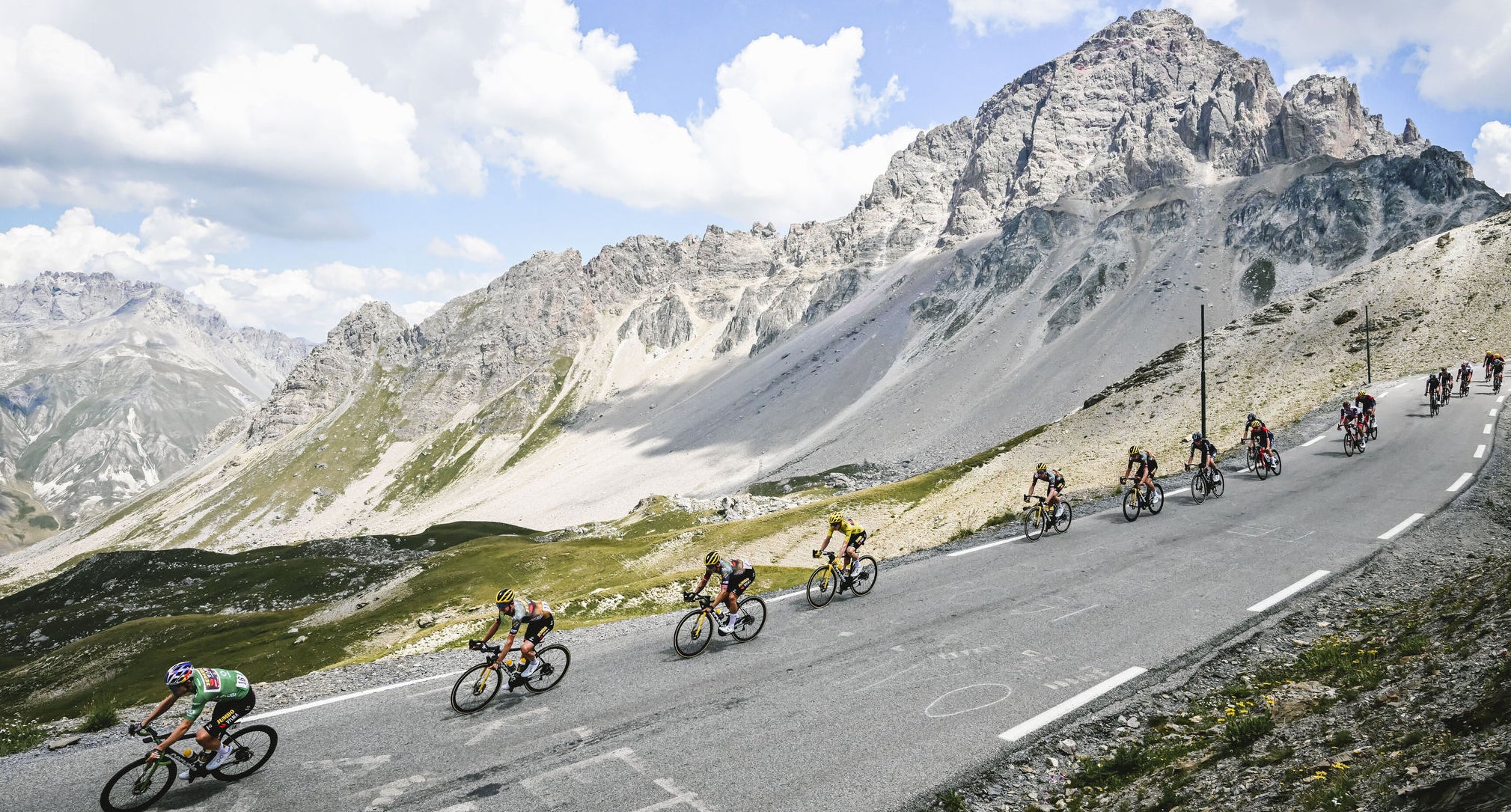
cyclists ride down a hill and take a corner

100% French - The 2025 Tour de France will remain entirely within French borders. Something that hasn’t occurred since 2020. The race will traverse 11 regions and 34 departments and promises an unforgettable journey through France’s most stunning landscapes. From rugged mountains to charming villages and vibrant cities, each stage offers a unique blend of cultural richness, natural beauty, and thrilling race-day atmosphere.

Grand Départ in Barcelona

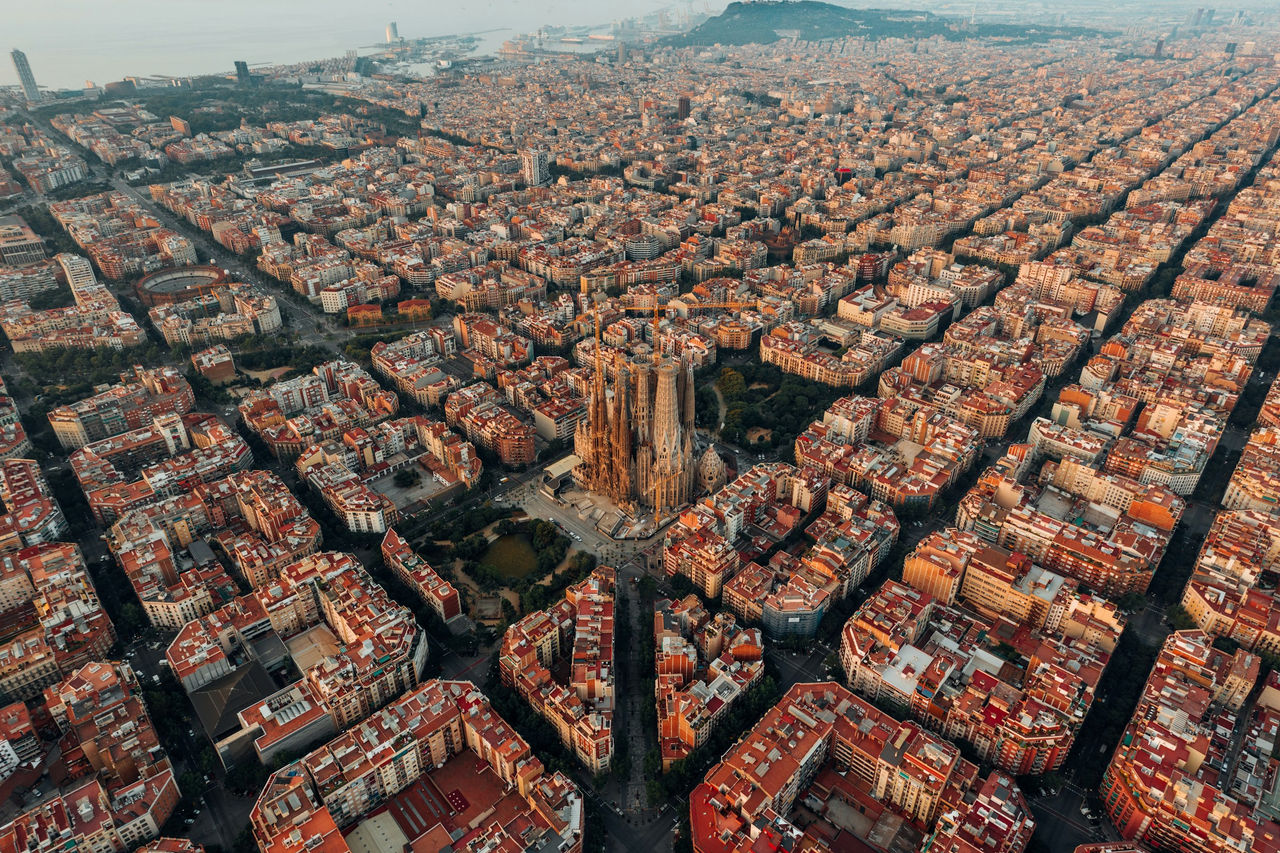
Aerial view of Sagrada Família rising above Barcelona, with warm golden light from sunrise casting long shadows across the city’s grid and highlighting the surrounding rooftops.

The Tour de France begins in one of Europe's most vibrant cities. On Saturday 4 July, 184 riders line up in Barcelona for a spectacular 19km team time trial. It’s the first time the Tour has opened this way in 55 years. The route passes the Sagrada Família before climbing to the finish on Montjuïc hill, with Stage 2 winding along the Catalan coast from Tarragona before returning to the same iconic summit.

Away from the race, Barcelona is a true joy to explore. Wander the lanes of the Gothic Quarter, discover the wonder of Park Güell, or settle into a terrace café on the Passeig de Gràcia and let the city come to you.

Cultural tip: The Sagrada Família is one of the most extraordinary buildings in Europe. Gaudí's basilica, under construction since 1882, is a jaw-dropping experience. Visit it early in the morning for the best light through its famous stained-glass windows.

Culinary tip: Start the day the Catalan way with pa amb tomàquet, a bread rubbed with ripe tomato and a drizzle of olive oil and a strong cortado at any neighbourhood bar. Simple, delicious and utterly Barcelona.


Discover the magic of Bretagne 

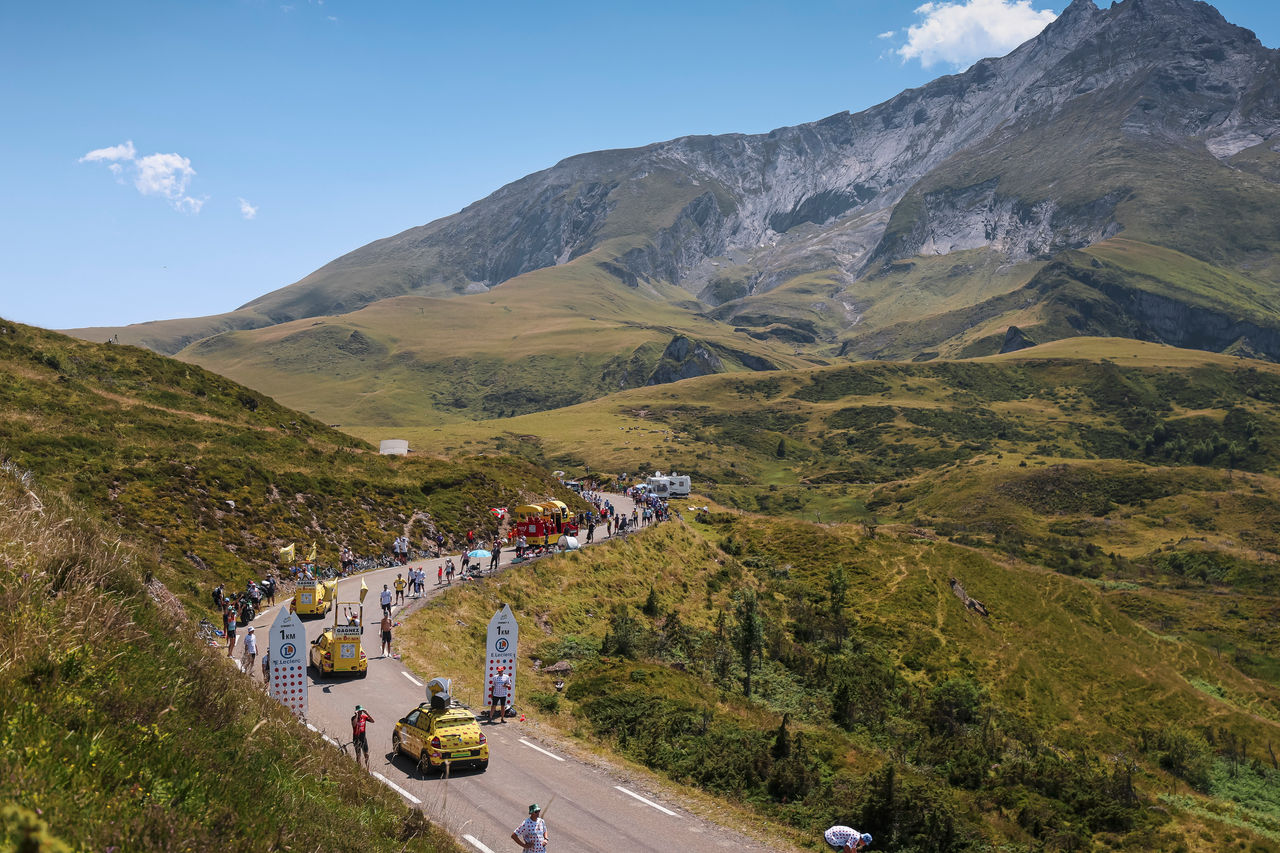
A winding mountain road lined with spectators and support vehicles, with rolling green hills and a towering rocky peak under a clear blue sky. A.S.O./Aurélien Vialatte

After the buzz of Barcelona, the route heads for the mountains. Here the roads don't get more dramatic than this. Stage 6 crosses the legendary Col du Tourmalet, the most-climbed mountain in Tour de France history, before descending to the Cirque de Gavarnie for a summit finish the Tour has never visited before. The mountain roads here are a driver's dream: sweeping hairpins, vast open views and passes that demand total confidence from both vehicle and driver. The Cirque de Gavarnie is a UNESCO World Heritage amphitheatre of sheer rock walls soaring over 1,500 metres, cradling the highest waterfall in France.

Arrive the evening before the stage to discover the mountain roads alive with campervans, flags and fans from across the world.


Cultural tip: Near the summit of the Tourmalet sits the Maison du Tourmalet, a small museum celebrating the mountain's century of cycling history. With over 90 Tour appearances, it is the most storied climb in the sport and well worth a stop on any drive through the Pyrenees.

Culinary tip: After a day in the cols, warm up with a bowl of garbure, a hearty Pyrenean soup of cabbage, beans and preserved duck that has sustained mountain communities for centuries. Rich, honest and deeply satisfying.

Bordeaux & the Dordogne

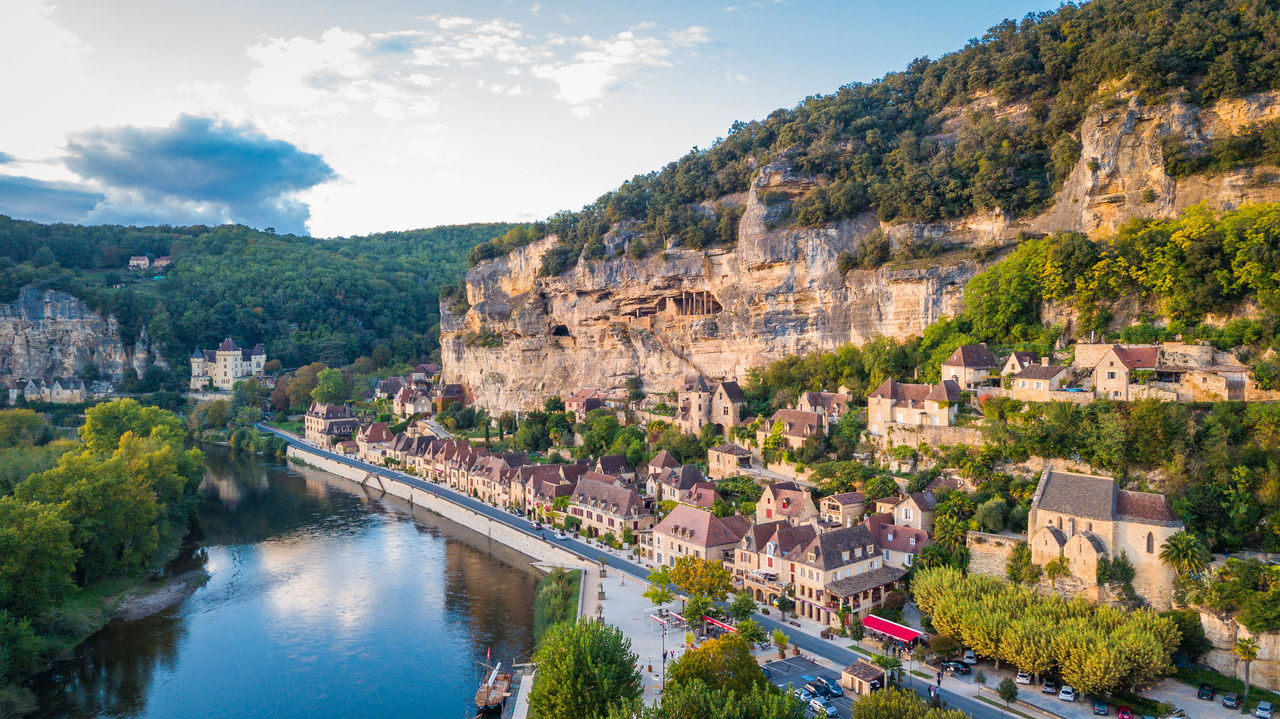
La Roque-Gageac, a picturesque riverside village in southwestern France, nestled beneath towering limestone cliffs and reflected in a calm river.

The Tour sweeps north from the Pyrenees into the golden southwest, and the roads that follow are among the most pleasurable to drive in all of France. Stage 8 travels from Périgueux to Bergerac through the heart of the Dordogne, a landscape of limestone cliffs, jade-green river bends and medieval châteaux that feels entirely unchanged by the centuries.

Along the way, discover the extraordinary Lascaux Caves, where 17,000-year-old paintings rank among the greatest artistic achievements in human history, and La Roque Gageac, a charming village wedged between a golden cliff and the river, and one of the most beautiful in all of France.

Cultural tip: Book a morning canoe on the Dordogne from La Roque Gageac. Drifting past troglodyte caves, medieval villages and the fairy-tale Château de Castelnaud is one of those experiences that stays with you long after you get home.

Culinary tip: The Dordogne and Bordeaux are the heartland of confit de canard. In the city, pair dinner with a glass from the Saint-Émilion appellation just across the Garonne. In the countryside, follow your nose to the nearest village market.


Alsace & the Vosges

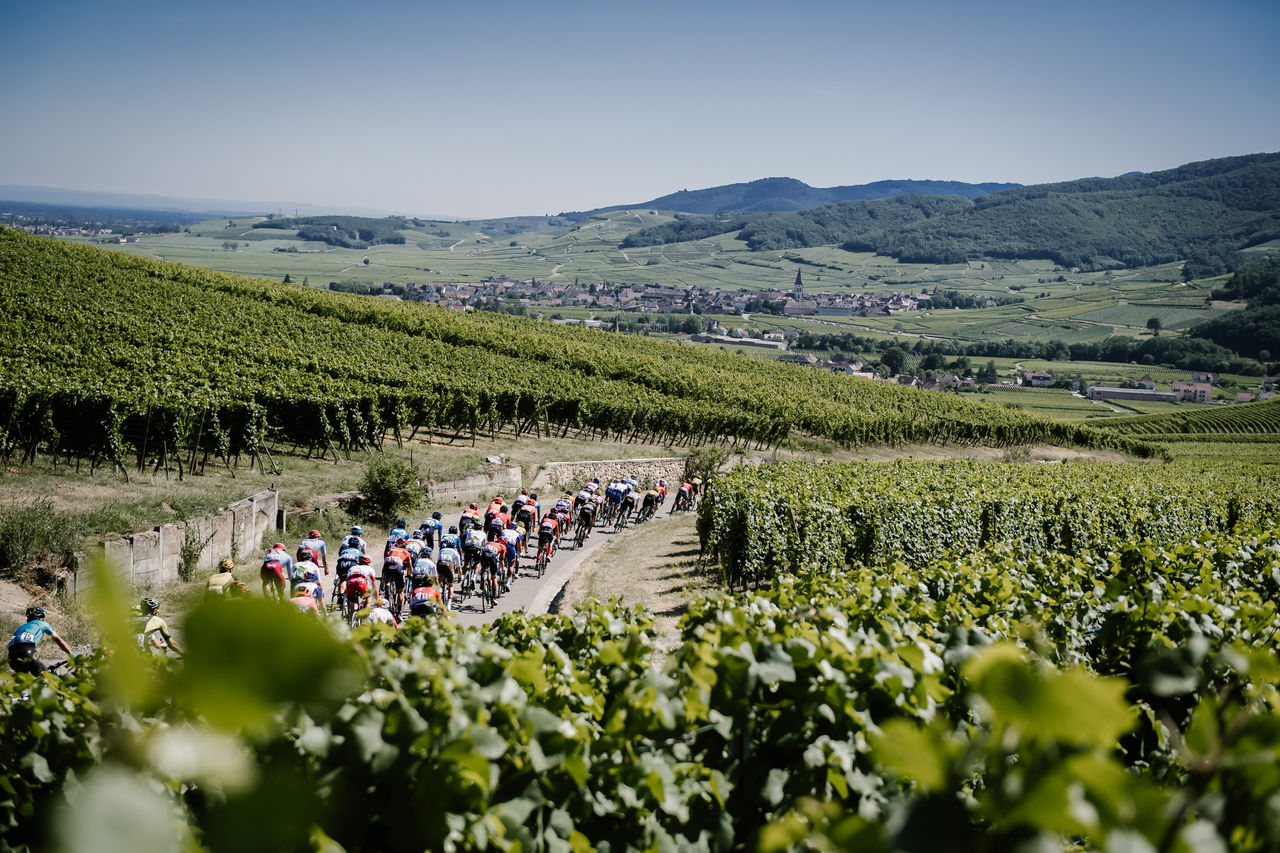
A large group of cyclists ride in a tight pack along a narrow road winding through lush green vineyards. Rolling hills stretch into the distance under a clear sky, with a small village and church steeple nestled in the valley beyond. A.S.O./Pauline BALLET

Stage 14 takes the Tour from Mulhouse into the rolling, forested peaks of the Vosges. The driving routes through this region are among the most rewarding and underrated in France. The Route des Crêtes, which the riders join for the final kilometres to the ski resort of Le Markstein, is a ridge road of sweeping bends and panoramic views across the Alsace plain and beyond to the Black Forest.

The stage also climbs the Ballon d'Alsace, the very first mountain ever contested in Tour de France history, first tackled in 1905 and making its 29th Tour appearance in 2026. Make time to visit Colmar, just 30 minutes east: a beautifully preserved city of half-timbered houses, canals and flower-draped bridges unlike anywhere else in France.

Cultural tip: Stage 12 starts at the Circuit Nevers Magny-Cours, the legendary Formula 1 circuit that hosted the French Grand Prix for decades. A Tour de France peloton rolling off an F1 starting grid is a one-of-a-kind spectacle no motorsport fan should miss.

Culinary tip: In Alsace, settle into a cosy winstub and order a tarte flambée – thin, crisp dough topped with crème fraîche, onions and lardons.


The Double – Alpe d'Huez

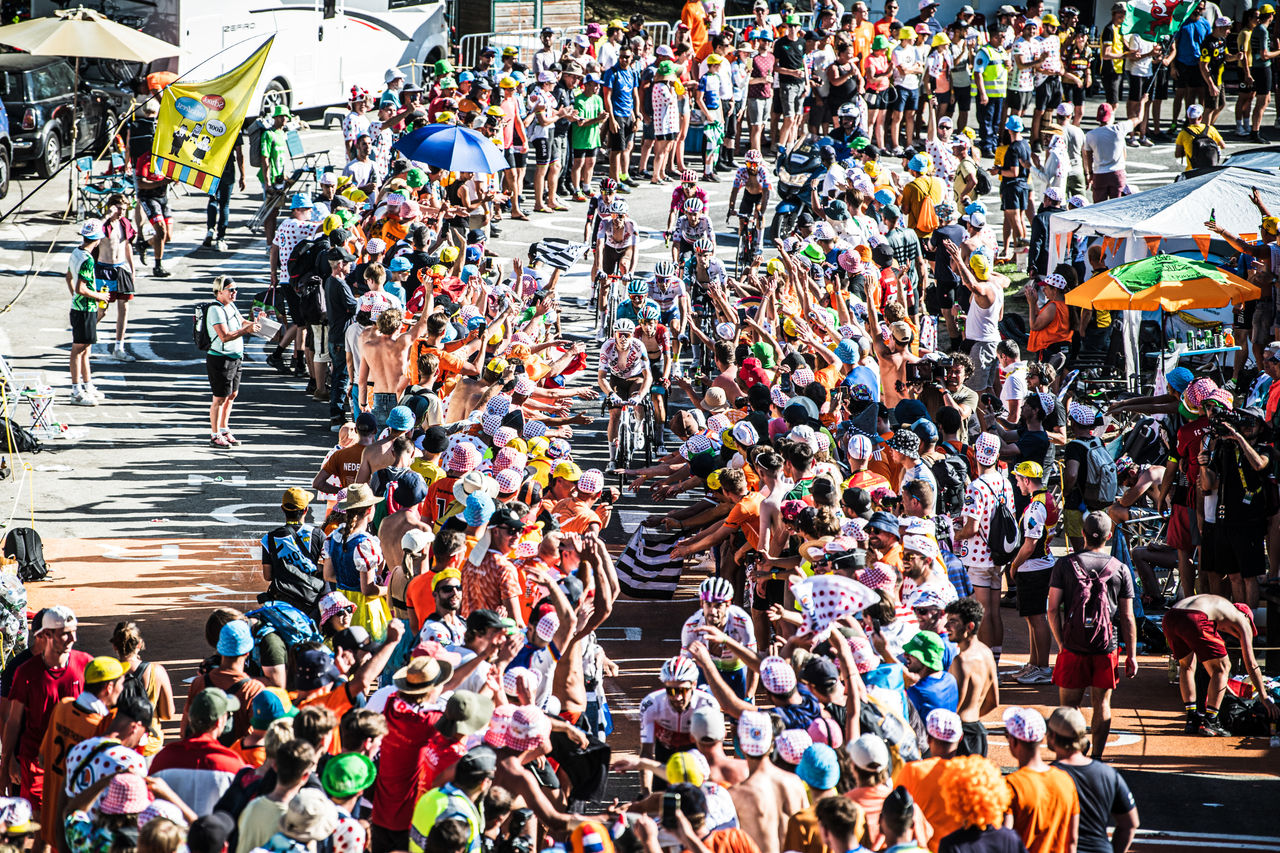
A large crowd lines a narrow road, cheering as cyclists ride past during a race. A.S.O./Charly López

For the first time since 1979, the Tour de France returns to the same climb on consecutive days – and that climb is Alpe d'Huez. Stage 19 takes the classic route up 21 famous hairpin bends, each named after a former winner. Stage 20 is the most demanding day of the entire race: 5,600 metres of climbing over the Col de la Croix de Fer, the Col du Galibier (the highest point of the 2026 Tour at 2,642 metres) and finally Alpe d'Huez via the wild Col de Sarenne. 

It is on roads like these that Continental's Grand Prix 5000 S TR and Grand Prix 5000 TT TR bike tyres prove their worth: delivering exceptional grip, durability and precision under the most punishing race conditions in the world.

Cultural tip: The Col de Sarenne is a hidden gem of the Alps: narrow, uncrowded and wonderfully wild. Explore it by car or on foot the day before Stage 20 for a magical, crowd-free taste of the high mountains.

Culinary tip: After the descents, head to Bourg-d'Oisans at the foot of the mountain and order a tartiflette – the classic Savoyard gratin of potato, reblochon cheese and lardons.


Grand Finale: Montmartre & the Champs-Élysées

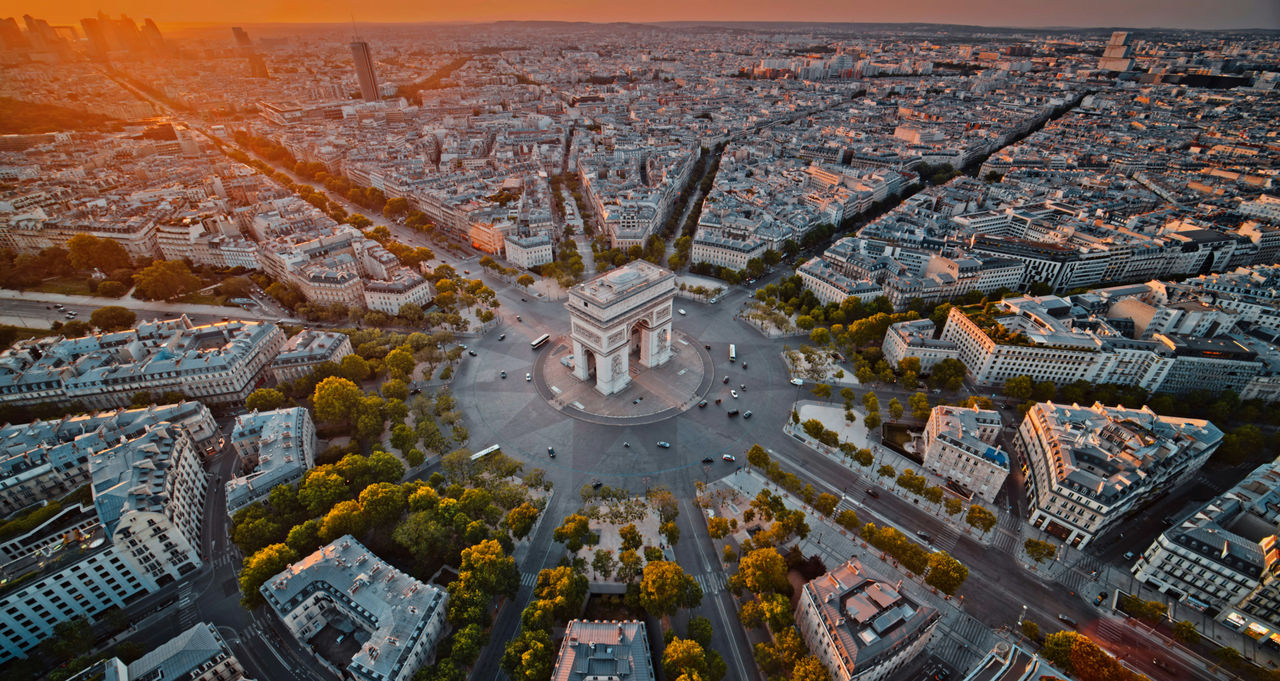
Aerial view of the Arc de Triomphe at the center of Paris, where wide avenues spread outward in all directions, glowing in warm sunset light

The Tour saves its most dramatic act for last. The peloton climbs the steep cobbled streets of Montmartre three times via Rue Lepic before sweeping onto the Champs-Élysées for the final sprint a finale that combines the raw excitement of racing with the timeless allure of the most beautiful city in the world.

Explore Paris at your leisure between laps: stroll along the Seine, visit Notre-Dame Cathedral as it continues its magnificent restoration, or wander through the galleries of the Louvre. On race day, find a spot on the lower slopes of Rue Lepic and watch the peloton fly past at close quarters, three times, with everything on the line.

Cultural tip: Visit the Square du Tertre near the Sacré-Cœur between laps. Artists set up their easels here every day and it is one of those Paris corners that still feels wonderfully alive with creative spirit.

Culinary tip: End the journey the way Paris demands: champagne on a café terrace as the sun goes down over the Seine. The Tour is over, France has been extraordinary, and you are already planning your return.

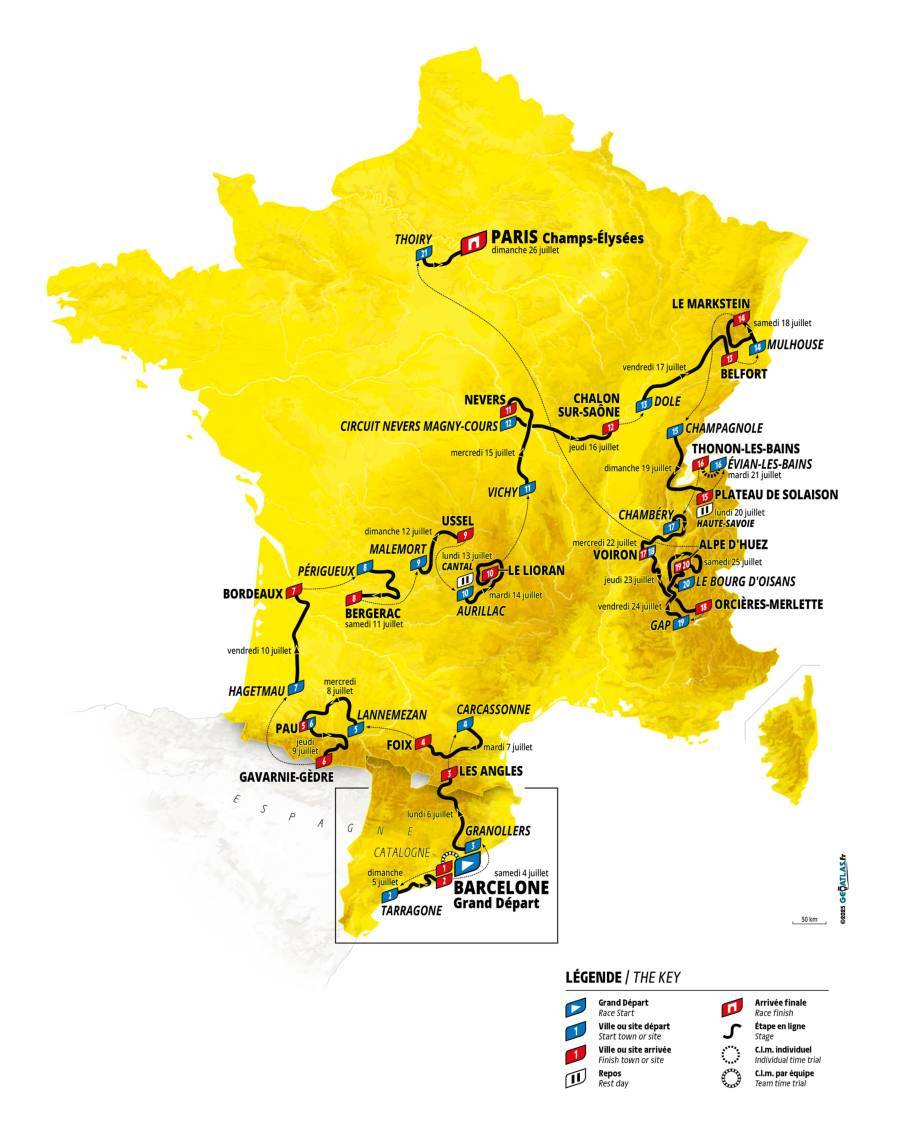
The 2026 Tour de France spans 21 stages across two countries and five mountain ranges – Barcelona to Paris, 4–26 July. As official Tour partner, Continental equips the race at every level.

Whatever road you're on this summer, Continental is with you. At Every Stage.

Map of France highlighting the 2026 Tour de France route across the country.

Related articles