You are currently on our Global (English) website. You can also switch to one of our many other locations worldwide.
All locations

Latex from the rubber tree

Responsibly Sourced Natural Rubber


Rubber plantations: Responsible sourcing of natural rubber, Continental and GIZ project

Natural rubber is a vital component of our tires – and how we source it matters. At Continental, we are committed to sourcing natural rubber responsibly, with the aim, among other things, of preventing deforestation and preserving areas of ecological and social value. These include habitats of endangered species, forests with high biodiversity, and regions that are essential to local communities. Through this commitment, we help conserve natural resources and foster sustainable development across the entire value chain.

Key facts at a glance:

  • Natural rubber is a renewable raw material sourced from the latex of rubber trees and is an essential component of tires.

  • The global supply chain is complex and relies on millions of smallholder farmers in tropical regions. 

  • Continental is committed to responsible sourcing, digital traceability and sustainable cultivation of natural rubber, for example through projects in Indonesia.

  • Initiatives such as RubberWay, EcoVadis and GPSNR are helping to improve transparency, risk assessment and sustainability throughout the supply chain.

What is natural rubber?

Natural rubber – known as caoutchouc in French and Kautschuk in German – is derived from the latex of the rubber tree (Hevea brasiliensis). The French word caoutchouc traces back to an indigenous Amazonian word meaning “weeping wood,” a reference to the latex released when the tree is tapped.

This latex is processed into solid rubber, which plays a vital role in tire manufacturing. Natural rubber produced in this way is a renewable resource, but alternative sources are also being explored. Two examples are the Russian dandelion (Taraxacum kok-saghyz) and the Mexican shrub guayule (Parthenium argentatum).

The use of these two plants for tire production is currently in the research stage. In the future, they could provide additional sources of rubber to help meet growing global demand.


Rubber plantations: Responsible sourcing of natural rubber, Continental and GIZ project

What is the difference between natural and synthetic rubber?

While natural rubber is essential for tire production, synthetic rubber is also used to meet specific performance requirements. Both have unique properties that enhance the final product. The table below shows the difference between these two types of rubber:


 Natural rubberSynthetic rubber
SourcePlant-based (rubber tree, Russian dandelion or Mexican shrub guayule)Industrial chemical product made from petrochemical raw materials or bio-based alternatives
PropertiesOutstanding strength (impact resistance) and durability (fatigue resistance)Wide variety tailored to optimize traction, rolling resistance and abrasion resistance 
SustainabilityRenewable and 
biodegradable
Renewable (bio-based alternatives) or non-renewable, depending on the type 


Rubber plantations: Responsible sourcing of natural rubber, Continental and GIZ project
Natural Rubber Harvesting
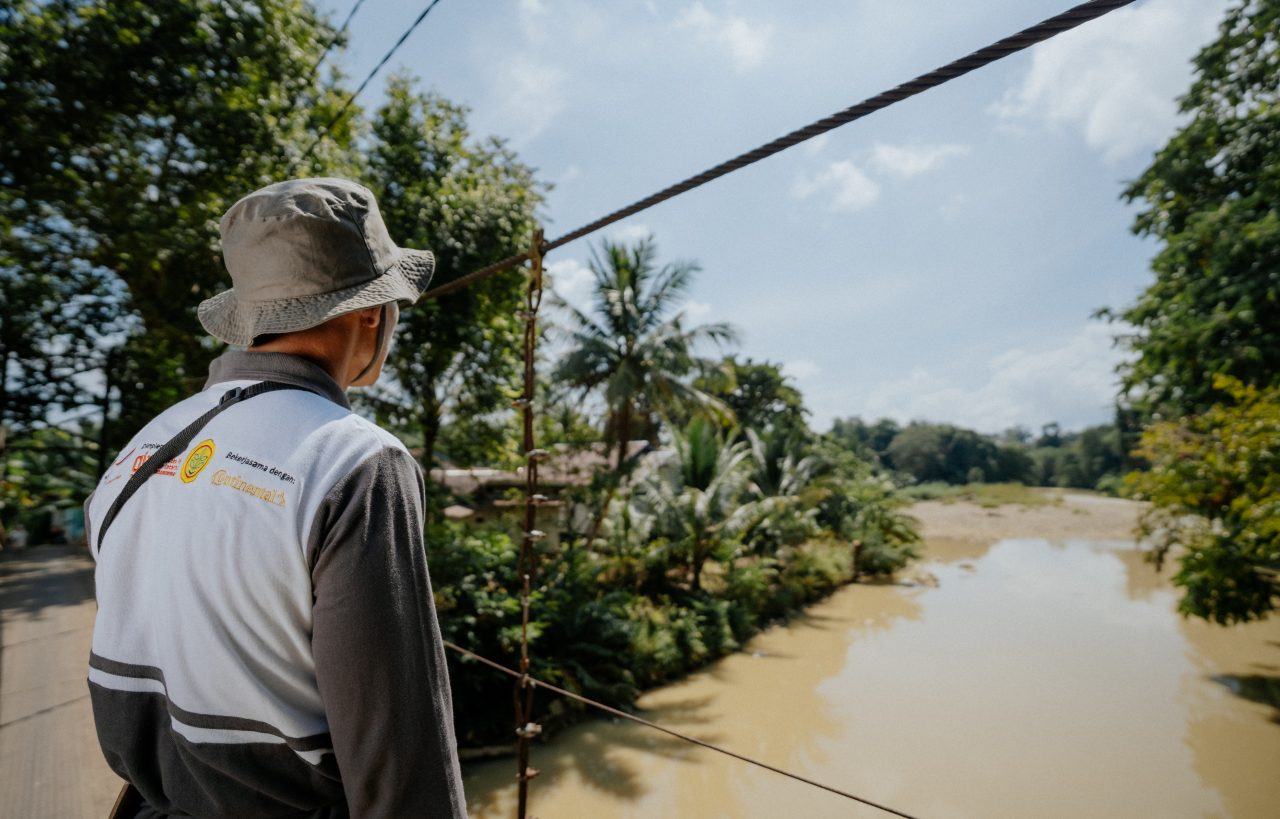
The Taman Nasional Danau Sentarum National Park, Borneo, Indonesia

Where does natural rubber come from?

Natural rubber, derived from Hevea brasiliensis, is primarily cultivated in tropical regions near the equator. Leading producers include Thailand, Indonesia, Malaysia and Côte d'Ivoire. Over 70 percent of the world’s natural rubber is used in tire manufacturing, underscoring its central importance to our industry. 

As one of the world’s major tire manufacturers, Continental bears a special responsibility. We are committed to sourcing all our rubber responsibly and to building fully transparent supply chains. 

The journey of natural rubber begins far from paved roads, in tropical regions where nature and livelihoods are deeply intertwined. Every drop of latex tells a story: one of smallholders, traditions and responsibility toward both the environment and society. 

The global supply chain includes around six million smallholders and numerous intermediaries. It is highly fragmented and complex, making transparency and sustainability a challenge shared by the whole industry. 

How is natural rubber harvested?

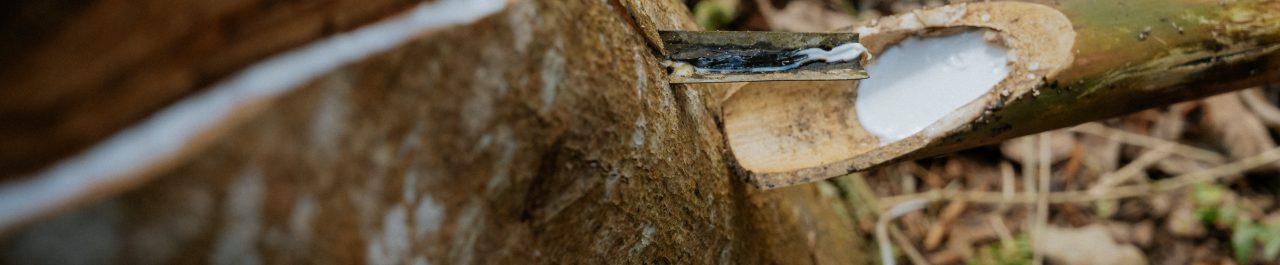
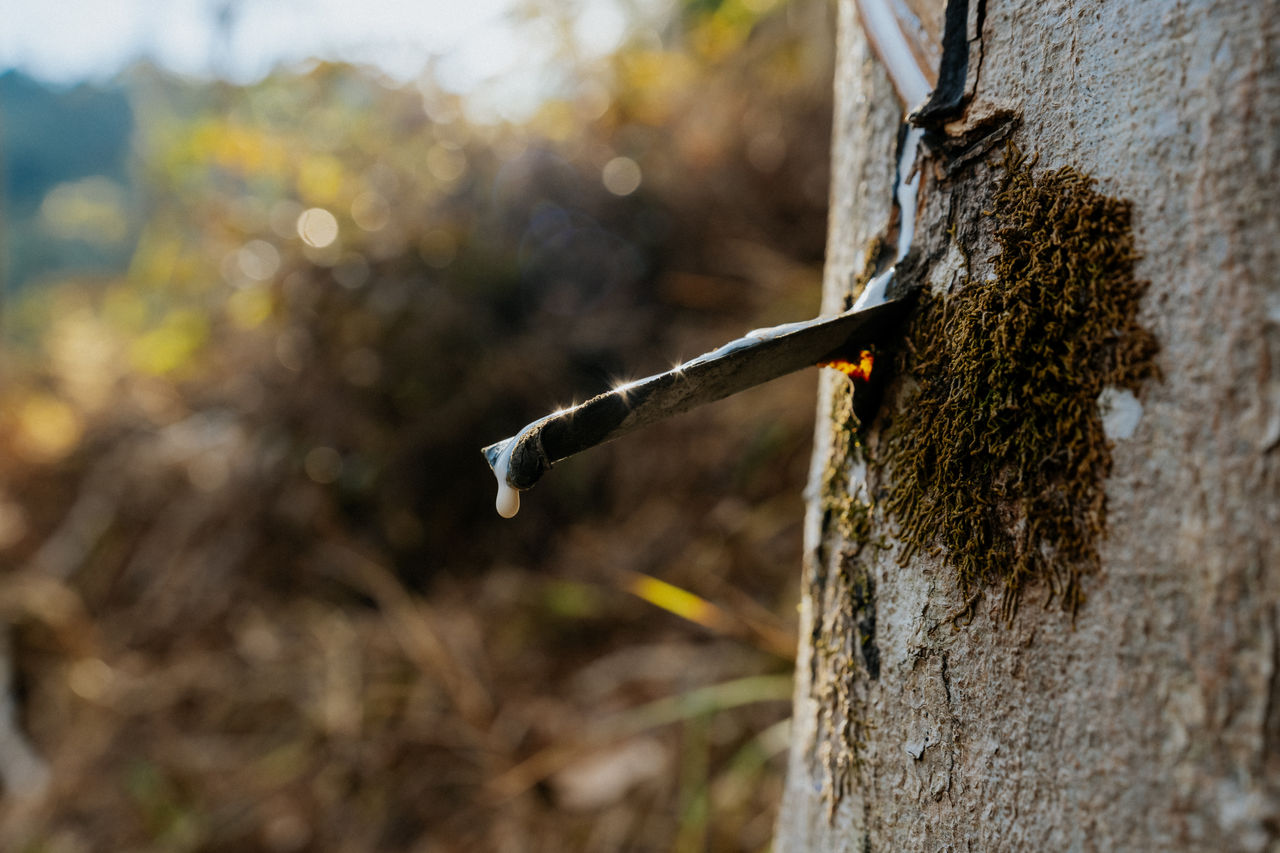
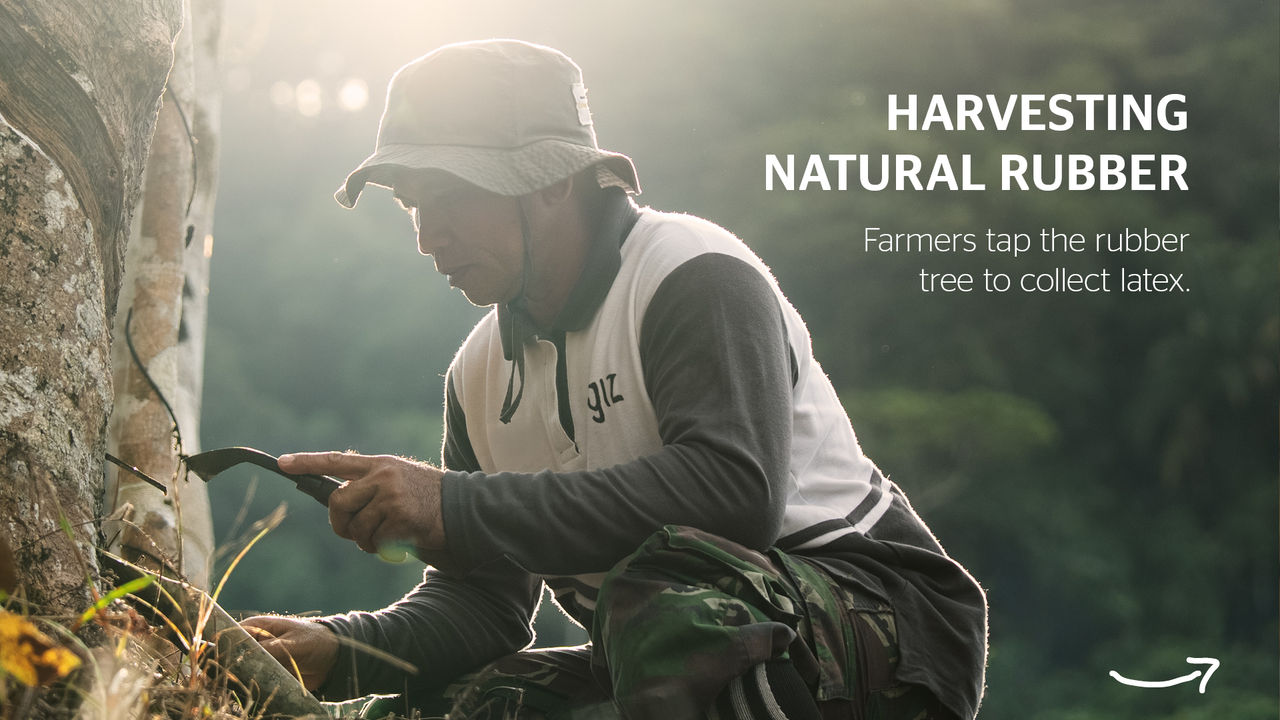
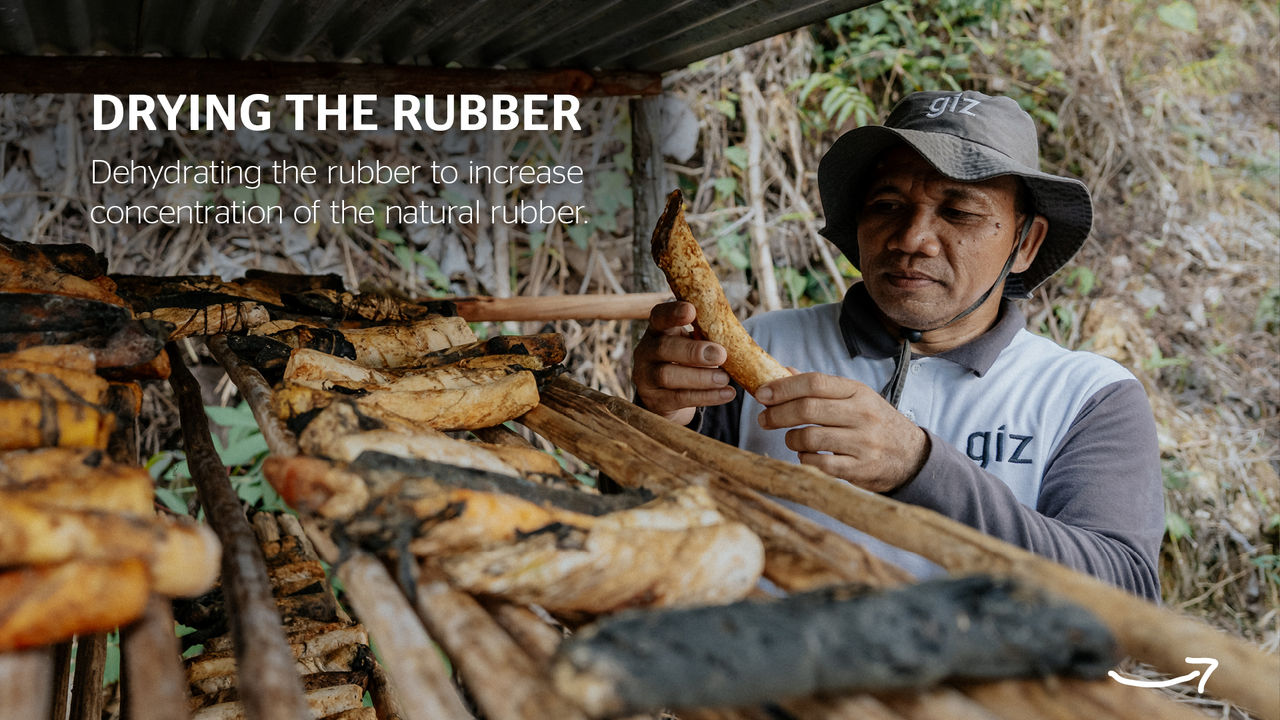
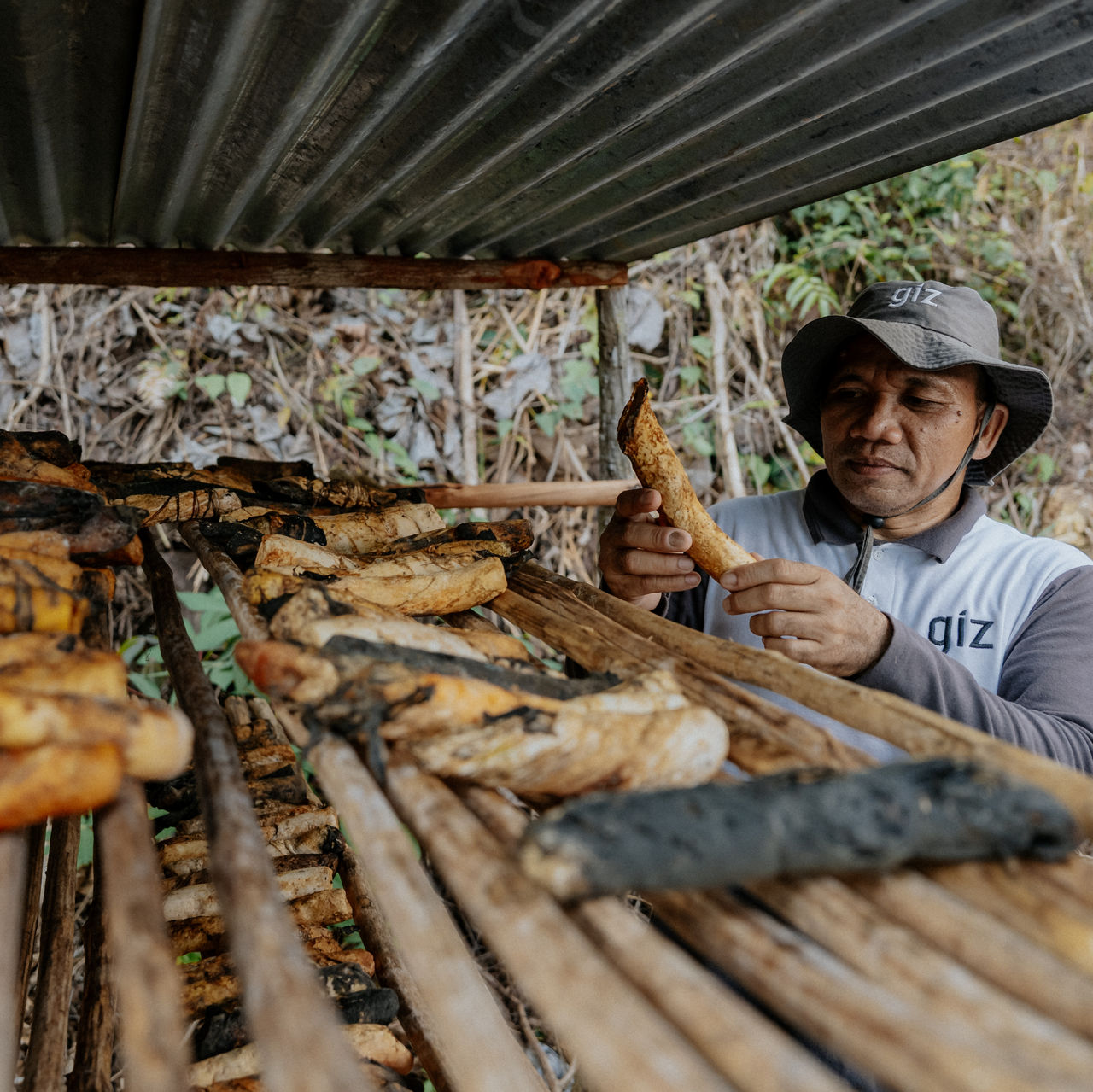
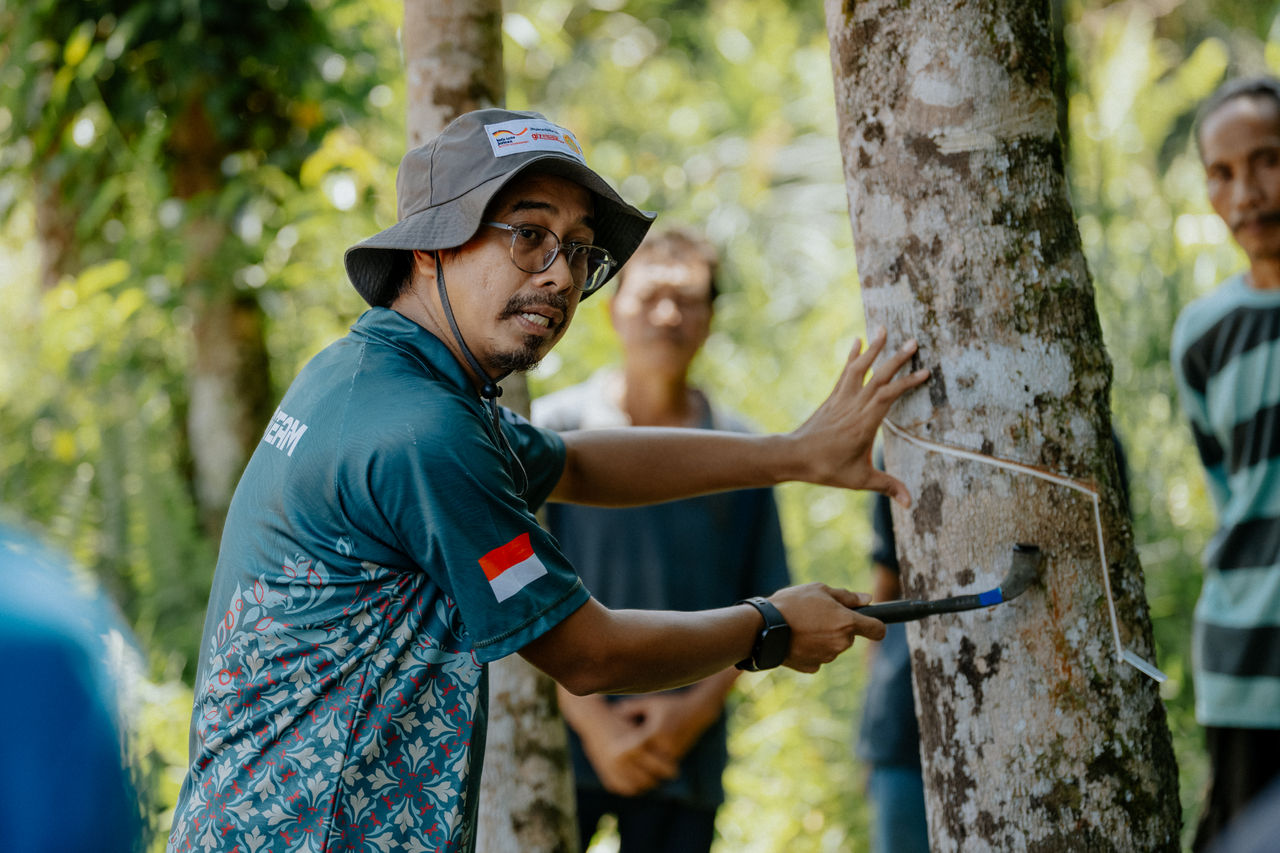
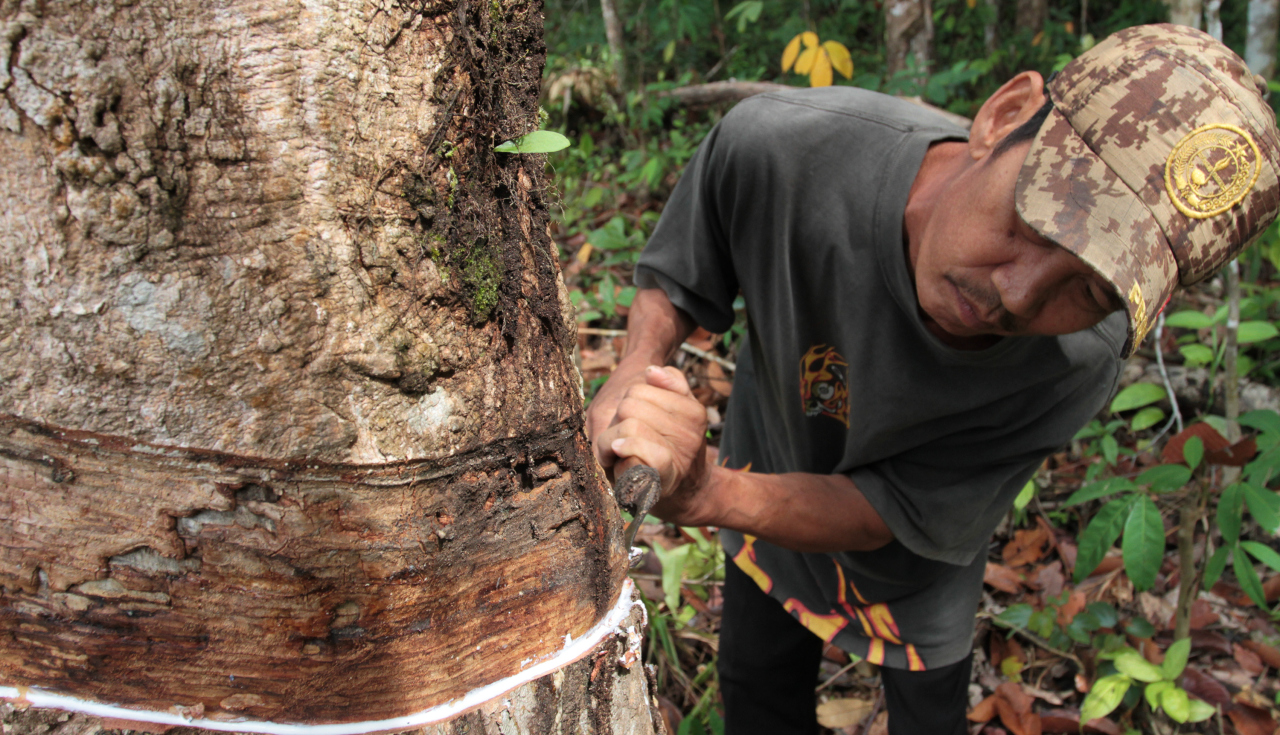
Natural rubber is harvested by tapping the bark of the rubber tree. This process releases a milky white liquid called latex, which flows from the cuts and is collected in cups or bamboo pipes. Latex is a watery suspension of rubber particles along with small amounts of proteins, fatty acids, sugars and resins. At the time of harvesting, the rubber content is only 30 to 40 percent. To increase this concentration, the latex is dried, usually by the farmers themselves on their farms. 

Natural Rubber Harvesting

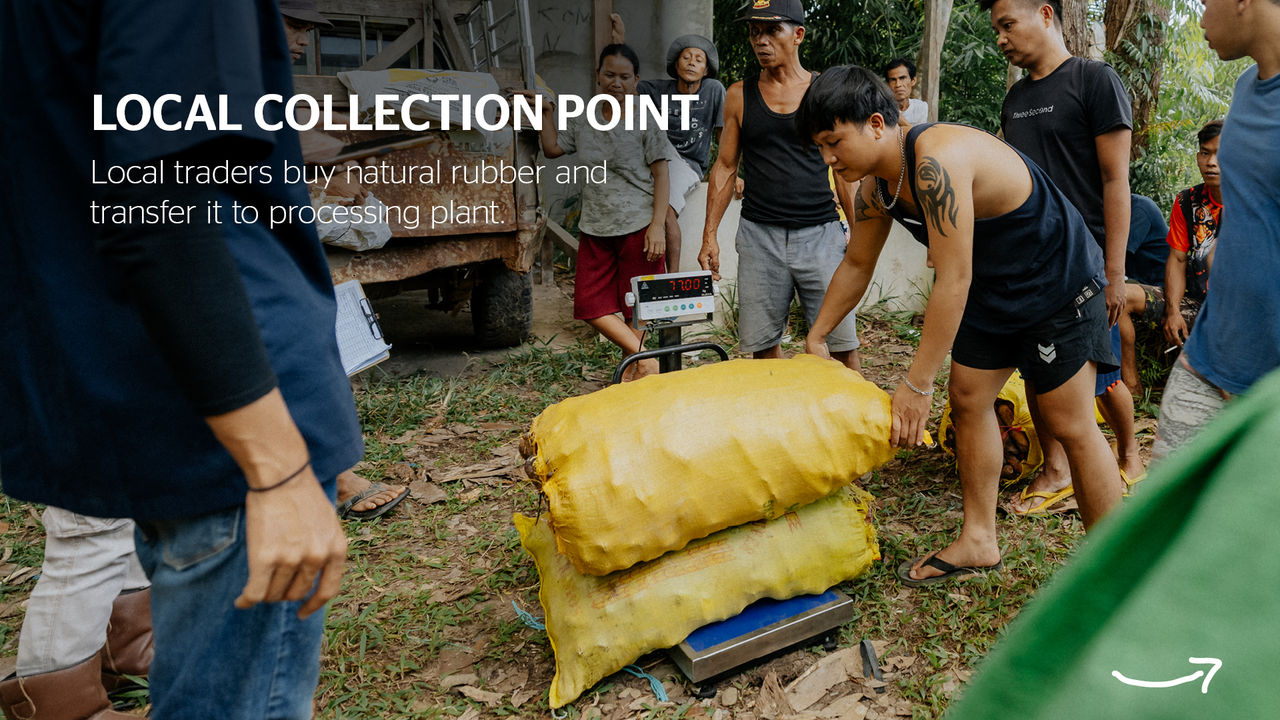
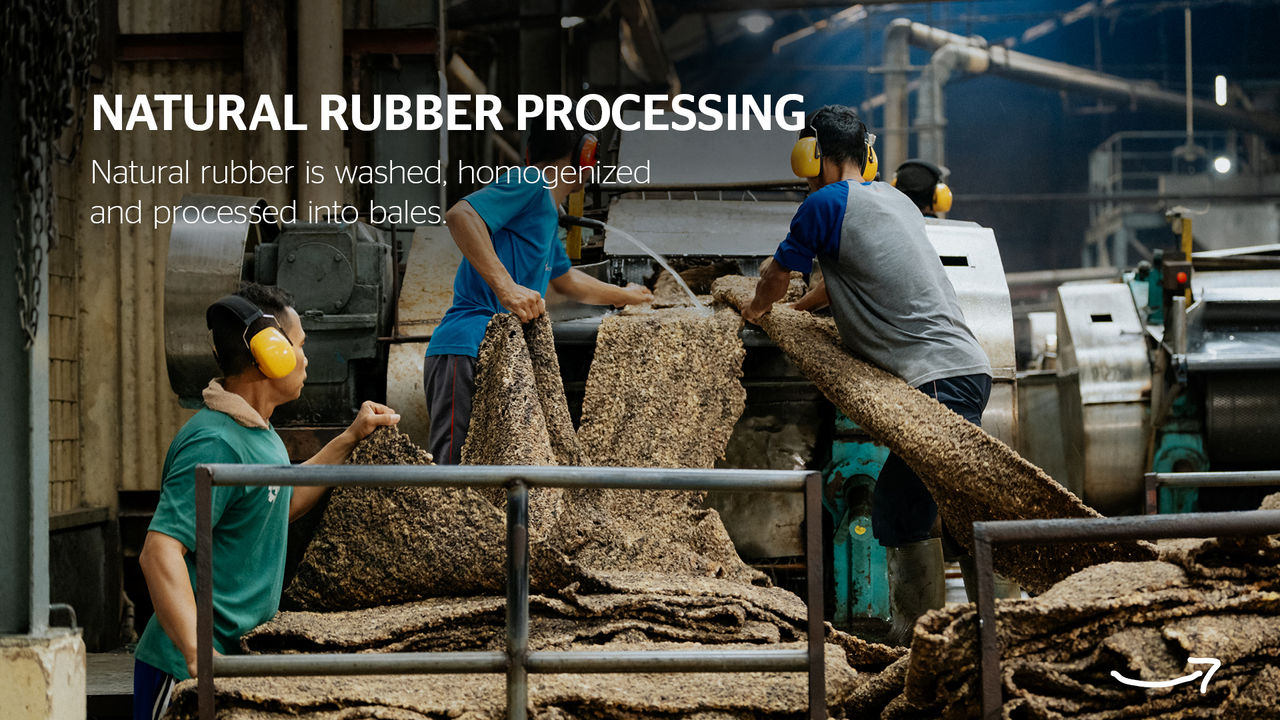
Once this is done, they deliver it to local collection points. From there, traders transport it to processing facilities, where the natural rubber is washed, homogenized and dried again before being supplied to industry. 

One hectare of land can accommodate around 500 rubber trees. After around six to seven years, the trees are mature enough to be tapped and can produce latex regularly for 20 to 30 years. Over this time, each tree can yield between 60 to 150 kilograms of natural rubber. 


Icon Natural Rubber Tree

1 hectar

~500 rubber trees produce up to 2 tons of natural rubber per year

Icon Natural Rubber Smallholders

85%

of global production is done by smallholders

Icon Tire Natural Rubber

Nearly ¾

of global natural rubber is used for tire production


Natural rubber value chain

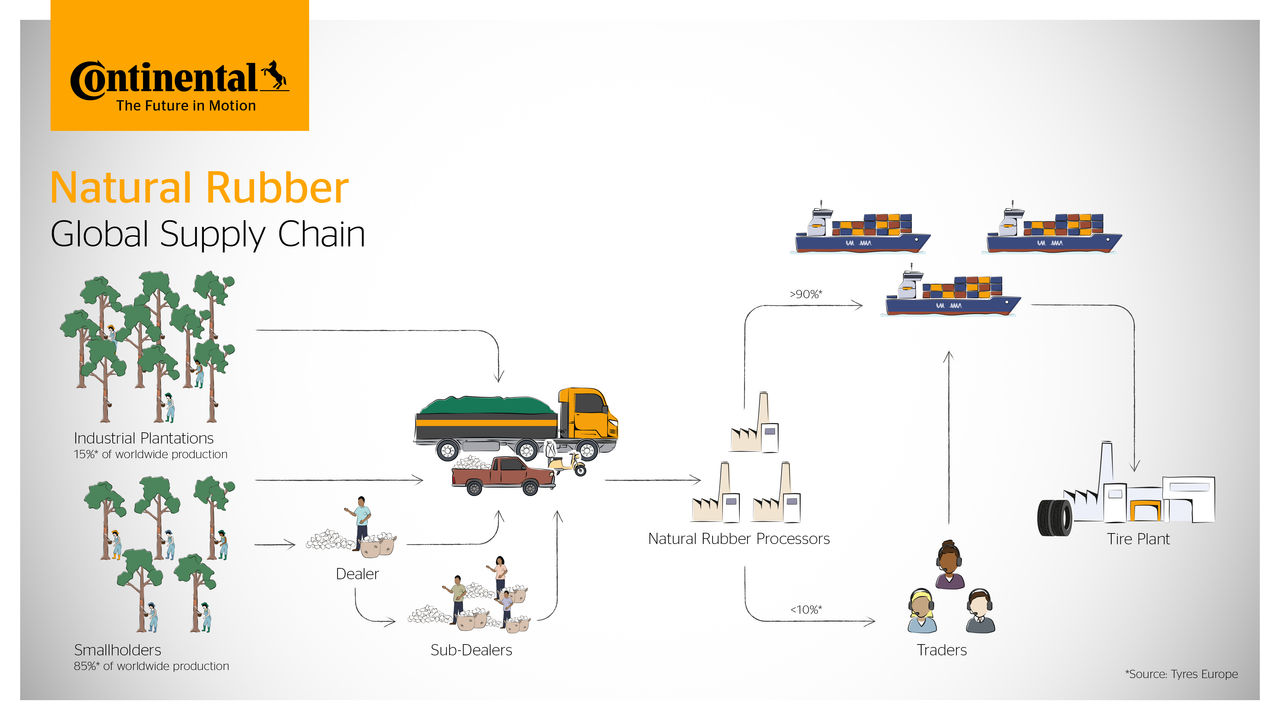
Natural Rubber Global Supply Chain Infographic

The journey of natural rubber begins on farms. Latex – the milky sap of the rubber tree – is harvested by producers, most of whom are smallholder farmers. Around 85 percent of the world’s rubber-growing areas belong to small-scale farms that typically cultivate two to three hectares of land. 

After harvesting, the producers sell the latex to trading companies, which pass it on to processing plants. Each plant has many different suppliers, resulting in a complex supply chain. 

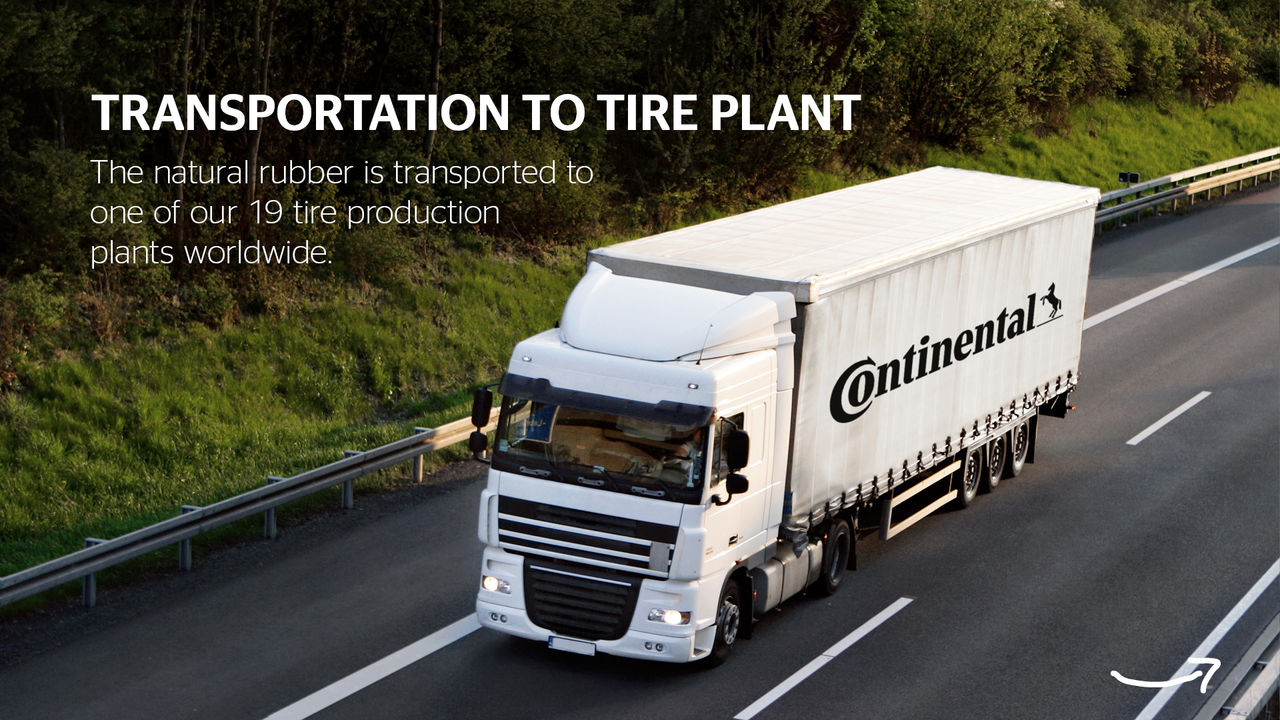
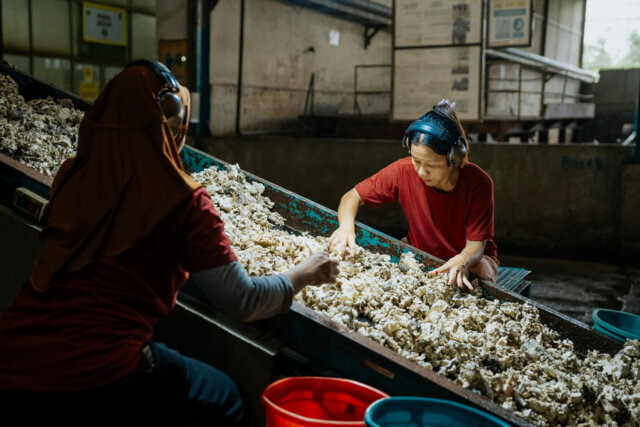
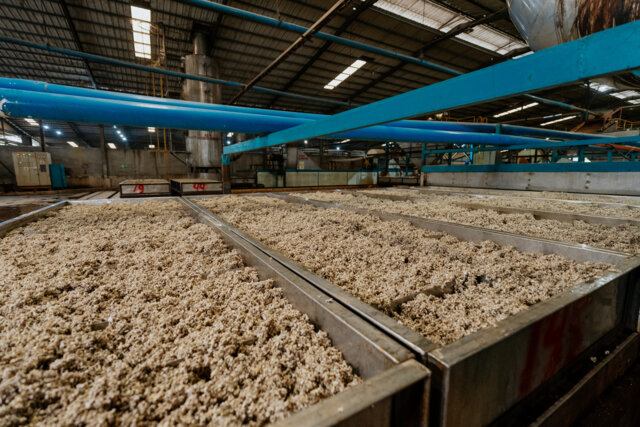
The processing facilities transform the dried raw latex into bales of natural rubber in varying grades of quality, ready for use in tire manufacturing and for other industrial applications. Following processing, trading companies distribute the natural rubber to manufacturers, who use it to produce finished or semi-finished products, including tires, technical rubber goods, and many other items. 


Natural Rubber Processing Plant Indonesia

Responsible sourcing of natural rubber from Indonesia: partnership with GIZ

As part of an expanded development partnership with the German development agency Deutsche Gesellschaft für Internationale Zusammenarbeit (GIZ) GmbH, Continental is actively involved at the very beginning of the natural rubber supply chain in Indonesia, the world’s second-largest producer. The project focuses on the Kapuas Hulu district on the island of Borneo, where rubber production is primarily carried out by independent smallholders.  

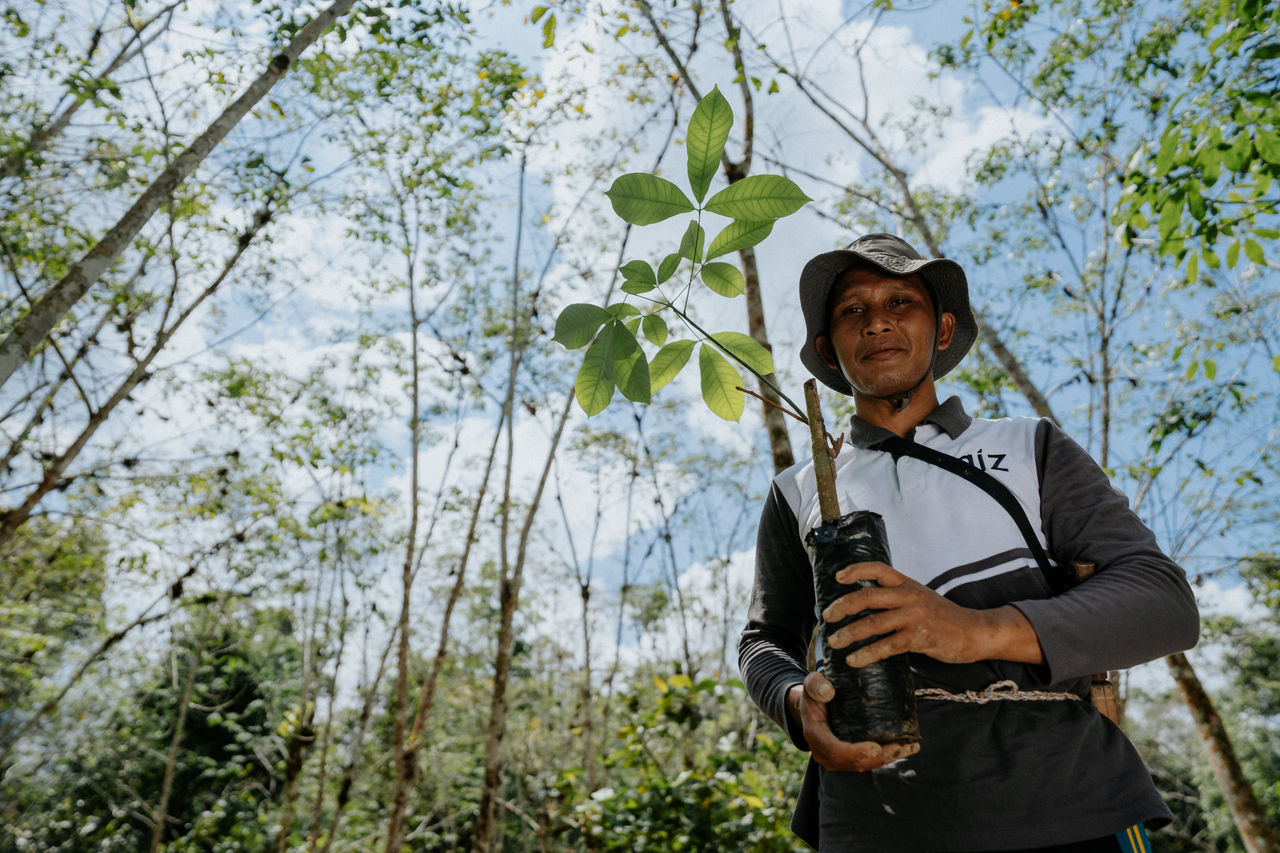
These farmers often live in remote areas, making access to training and support challenging. Through this partnership, smallholders are trained locally in sustainable cultivation practices. Since 2018, around 5,000 smallholders have received training on how to grow high-quality natural rubber according to clearly defined sustainability criteria. These efforts aim to improve rubber quality, strengthen local livelihoods and prevent deforestation. 

A key element of the project’s expansion is the use of digital technologies to ensure the full traceability of natural rubber – from harvesting to the final tire. This promotes transparency throughout the supply chain and encourages responsible business practices. 

Since July 2022, all new tires produced in our plant in Korbach for Continental’s Gravity mountain bike product line contain natural rubber sourced responsibly from this project. 


Natural rubber in tire production

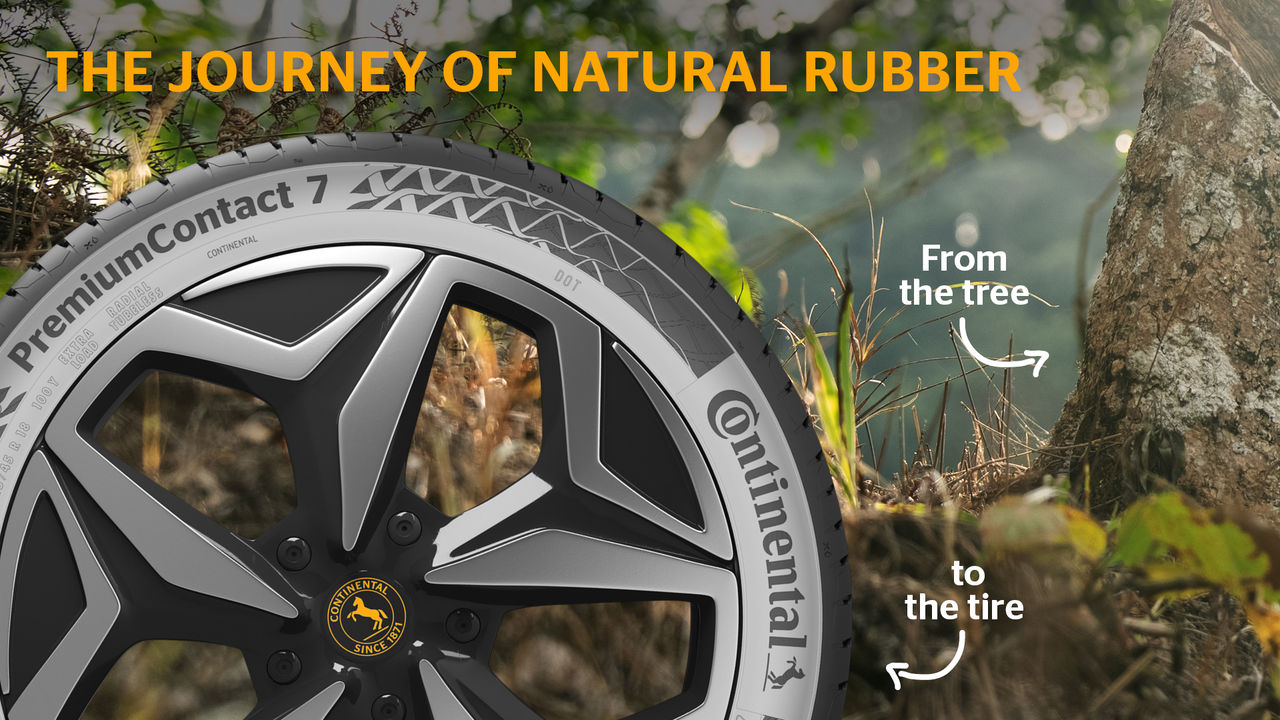
Without tires, there is no mobility – and without natural rubber, there are no tires. Its unique properties make it indispensable to modern tire technology. 

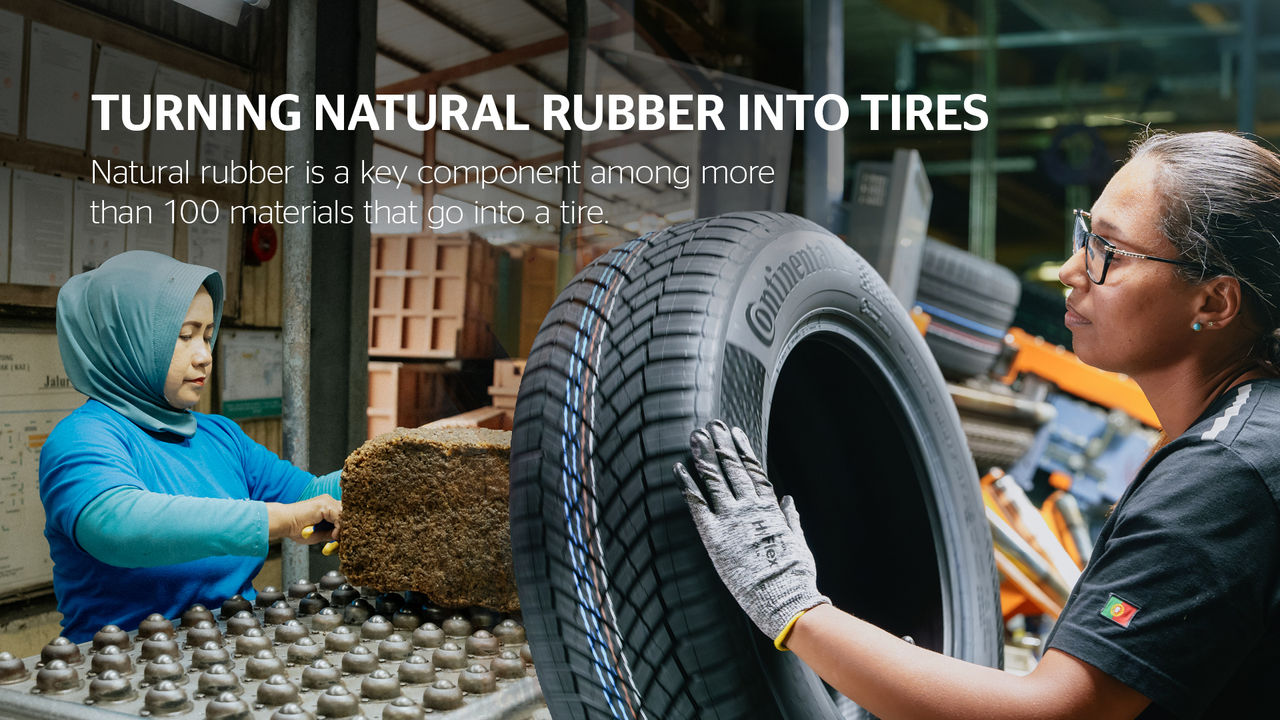
Natural rubber remains a key component in tire manufacturing. Depending on the type of tire, it accounts for between 10 and 40 percent of the tire’s total weight: typically around 10 to 20 percent in passenger-car tires and about 30 to 40 percent in truck tires. Its exceptional strength and durability result from a physical process known as strain-induced crystallization. Nearly all natural rubber available worldwide comes from the Hevea brasiliensis rubber tree. 

Key roles of natural rubber in tires:

  • Passenger-car tires: used in inner components such as rubber compounds, the tread base and the sidewall; provides flexibility, durability and a long service life. 
  • Truck and bus tires: high natural-rubber content enhances wear resistance – essential for heavy loads and longevity. 

Performance benefits of natural rubber in tires:

  • Excellent resistance to wear and fatigue. 
  • Optimized balance of grip and rolling resistance. 
  • Reliable performance under extreme temperatures and high loads. 

Examples of our initiatives

Continental’s Sustainable Natural Rubber Sourcing Policy sets out clear responsibilities and obligations for the company and its suppliers and service providers along the entire natural rubber value chain. The policy is designed to minimize risks related to the environment, human rights and society. 

Download the Sustainable Natural Rubber Sourcing Policy (PDF).

RubberWay is a joint venture between Continental, Michelin and software developer SMAG. It focuses on developing technological solutions to map sustainability risks throughout the natural rubber value chain. 

The goal is to identify potential risks early. A dedicated app gathers and evaluates data on potential environmental impacts as well as social and human rights risks. These insights help reduce risks along the supply chain – social, environmental and economic. 

Through RubberWay, Continental and its partners promote responsible business practices in the natural rubber industry. The initiative aligns with the goals of the Global Platform for Sustainable Natural Rubber (GPSNR), of which Continental is a founding member. 

Find out more about Rubberway.

Since 2011, Continental has required all suppliers and service providers to adhere to its Code of Conduct, which covers ethical, social and environmental standards. The aim is to reduce environmental risks and emissions as well as social and human rights concerns. 

To assess the sustainability performance of suppliers, we have been working with EcoVadis since 2017. EcoVadis is a provider of sustainability ratings for companies and global supply chains. Regular audits help ensure compliance and continuous improvement. 

Find out more about EcoVadis.

Continental is a founding member of the Global Platform for Sustainable Natural Rubber (GPSNR), a multi-stakeholder initiative aimed at improving sustainability along the natural rubber value chain. 

The GPSNR works to develop and harmonize policies that uphold human rights, prevent land-grabbing and protect biodiversity and water resources. It also aims to improve yields and increase supply chain transparency. 

Its diverse membership reflects the complexity of the global supply chain, including farmers, processors, dealers, tire and automotive manufacturers and civil society organizations. 

Find out more about GPSNR.

Related Topics

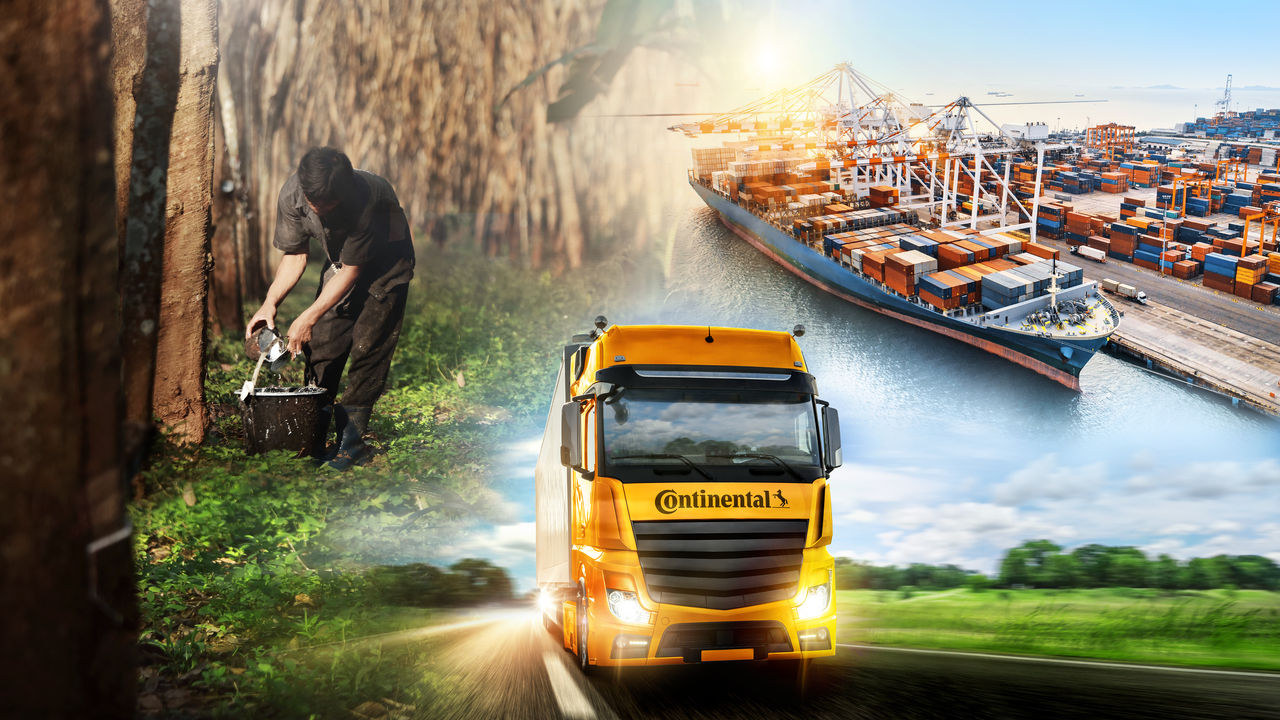
Collage of different areas were Continental practices responsible sourcing
Responsible Value Chain
GIZ
Partnership with GIZ
Collage of a field with dandelions, a person harvesting rubber and a car
Recycled and Renewable Materials