Summer tires vs. winter tires
Read more




In this section, we will explain why driving on winter tires in the summer months is a bad idea. The reasons are quite compelling, and we're sure you'll agree.
There are good reasons why winter tires are so indispensable in winter. They're made from specialized, flexible rubber compounds and feature unique tread designs to deliver the best grip in snowy and icy road conditions. They function at their best in cold temperatures and winter precipitation, providing confidence and security to drivers in potentially hazardous situations.
But while such tires are the undisputed champion when it comes to colder climates, those same features put them at a disadvantage if used in warmer temperatures. A dry road and temperatures above 7ºC without ice or snow doesn't need tires biting edges to provide traction.

The softer tread of a winter tire wears out a lot quicker on warm conditions. It’s the rubber compound, which is formulated to stay soft and pliable when temperatures plummet below 7 °C (46 °F).
It’s very effective for mitigating the negative impact of cold temperatures and provides traction in winter conditions.
But if you run a set of winter tires throughout the year, that same flexible tread will wear down more quickly in warmer temperatures. It could reduces the service life up to 60%. There’s a strong chance you’d have to replace them earlier than if you'd regularly change with summer tires simply at the beginning of spring.
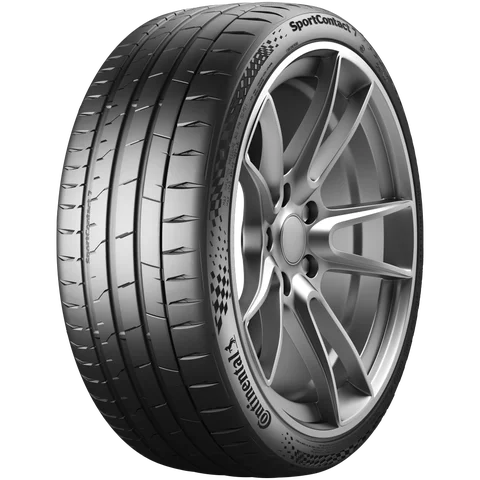
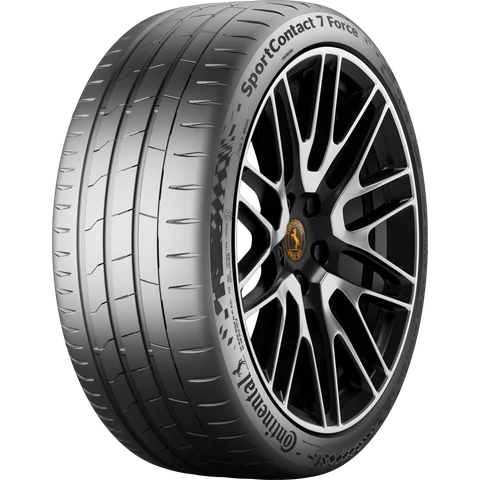
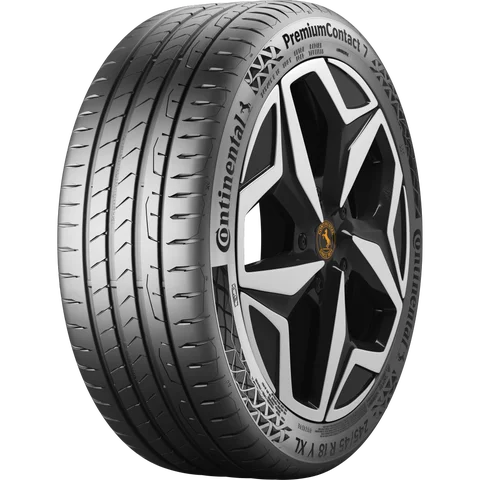
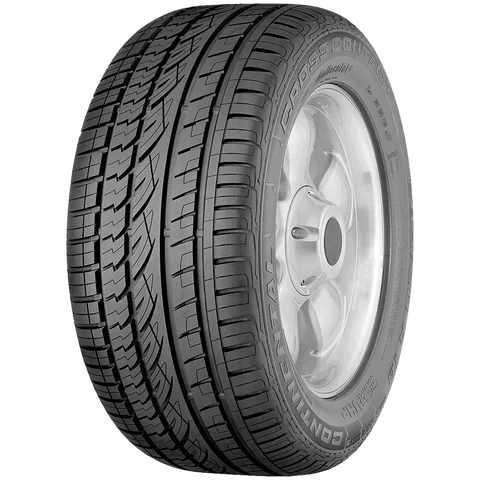
Our recommendation for hot weather is to use all-season or summer tires. Summer tires are manufactured with a different blend of rubber designed to withstand higher temperatures. The compounds used in summer tires would soon turn hard and brittle if driven in winter conditions. All-season tires, however, are designed to withstand colder temperatures as well as warm and dry conditions. For drivers, living in regions with mild winter conditions (temperatures rarely drop below freezing), all-season tires can be an alternative. But as already mentioned, it is important to remember that summer and winter tires are specifically tailored to the relevant seasons & conditions.
If you are unsure about the right tire choice, please contact your local dealer for personal advice.
If you use winter tires in summer, another thing to know is that you'll end up paying more for fuel.
On warm weather conditions, the rolling resistance of a winter tire is substantially higher compared to a summer or all-season tire. That's because the of the specialized compound and tread pattern concept.

It leads to higher rolling resistance, which results in an increase in fuel consumption – which means you'll need to visit the gas station more often than necessary.
If you don't switch to all-season or summer tires during warm weather, your car will not have optimal handling capabilities for safety – especially if you're forced to make sudden turns.

Let's imagine a scenario where a driver has to make an emergency maneuver. Winter tires on dry pavement are softer. The handling won't be as responsive as it should be in a critical situation. Also, the stopping distance is extended vs Summer tires.
From a long-term perspective, winter tires which have been left on throughout the spring, summer, and autumn all the way until the next winter will probably have worn tread blocks (because of their softer compound). Winter tires with insufficient tread depth won't provide as much grip or traction on snowy and icy surfaces, which is a decisive factor influencing driving safety.
Summer tires: Designed for temperatures above 7 °C (45 °F), they provide optimal grip, precise handling, shorter braking distances, and better fuel efficiency on dry and warm roads.
All-season tires: They are an alternative for regions with mild winters, offering acceptable performance in warm weather conditions without the need for seasonal tire changes.
When to switch between tire types: Winter tires should be replaced once temperatures consistently stay above 7 °C (45 °F) to reduce wear, improve safety, and maintain overall driving efficiency.
The laws vary by country, but in most places it’s not illegal. However, some regions have restrictions on speed ratings or specific winter tire types. It’s always best to check the exact regulations for your country or region beforehand.
Because of their pronounced tread patterns, winter tires tend to be louder on dry roads. Although this doesn’t affect safety, it can make the driving experience less comfortable.
Winter tires use a softer rubber blend that is meant to remain flexible in low temperatures. Once the weather warms up, that rubber becomes overly soft, leading to much quicker tread wear and possibly cutting the tire’s lifespan by as much as 60%.
For best safety in the seasons, we recommend using winter tires in the cold period and changing to summer tires in the warm period of the year.
The all-season tire is a good compromise for drivers that do not want to change tires regularly.
Likely not. Using winter tires during the warm months accelerates tread wear. By the time winter returns, the tread depth may be too low to maintain proper grip on snow and ice, reducing safety in harsh conditions.
Switch to summer tires when temperatures rise above 7 °C (45 °F). Winter tires are not intended for warmer conditions, so they should be replaced once the weather stays above this threshold.
Check the condition of your winter tires before storing them: