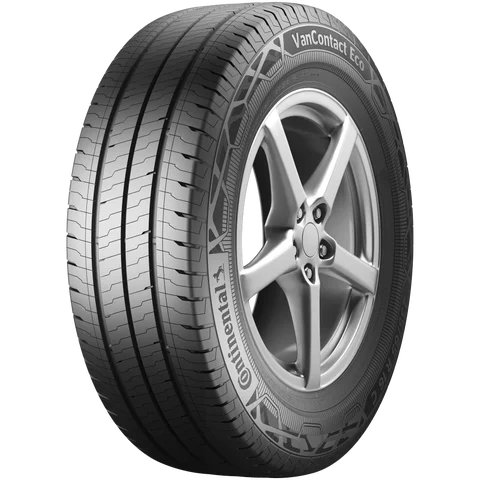



# VECTO
Our Tires Are Ready for VECTO. Are You?
Stay Compliant with Optimized Rolling Resistance.

Rolling resistance plays a crucial role in fuel consumption and emissions. With new regulations pushing for lower CO₂ emissions, improving efficiency is key to cutting costs and staying competitive. Here’s where VECTO comes in − the EU’s simulation tool ensures CO₂ targets are met by analyzing factors like rolling resistance and its impact on fuel consumption. Choosing the right tires helps you optimize performance and drive your business toward a more sustainable future.
Road Transport Is Changing.
Unlocking the Potential for CO₂ Reduction.
Trucks produce almost one quarter of road CO₂ emissions, making fuel efficiency key. The EU now requires a 15% CO₂ reduction by 2025 and 45% by 2030, with penalties for non-compliance. Since fuel can account for as much as 21% of your expenditures, reducing rolling resistance is essential. VECTO provides transparency on emission factors, helping fleet operators meet targets while keeping operating costs under control.
Road transport
is one of the biggest levers to reduce emissions.

~25%
of Europe's greenhouse gas emissions come from the transport sector.

~75%
of greenhouse gas emissions within the transport sector come from road transport.

~27%
of CO2 emissions from road transport are accounted for by trucks and buses.
Low Rolling Resistance. Good for Your Fleet. Good for Our Planet.
Rolling Resistance Impacts Your Fleet’s CO₂ Footprint.

Low Rolling Resistance

Low Fuel Consumption

Lower CO2 Emissions

Lower Operating Costs
Low rolling resistance is an important factor. It helps your fleet run more efficiently and save operating costs. This not only improves your financial results but also reduces CO₂ emissions, supports compliance with environmental targets and contributes to a healthier planet.
Rolling Resistance Shapes the Future of Transportation.
How VECTO Affects the Entire Industry.
Heavy-duty vehicles, including trucks with two or more axles in rigid and articulated configurations, are responsible for a significant share of CO₂ emissions from road transportation. As regulations evolve, VECTO’s scope is expanding to include more vehicle types, such as trailers, buses and coaches, making rolling resistance an increasingly important factor in improving efficiency and compliance.
OEMs: VECTO is mandatory for manufacturers, emphasizing the importance of rolling resistance as a key factor in compliance. Efficient tires help meet standards and reduce emissions.
Fleets: Low rolling resistance tires cut fuel consumption, saving costs and reducing the carbon footprint.
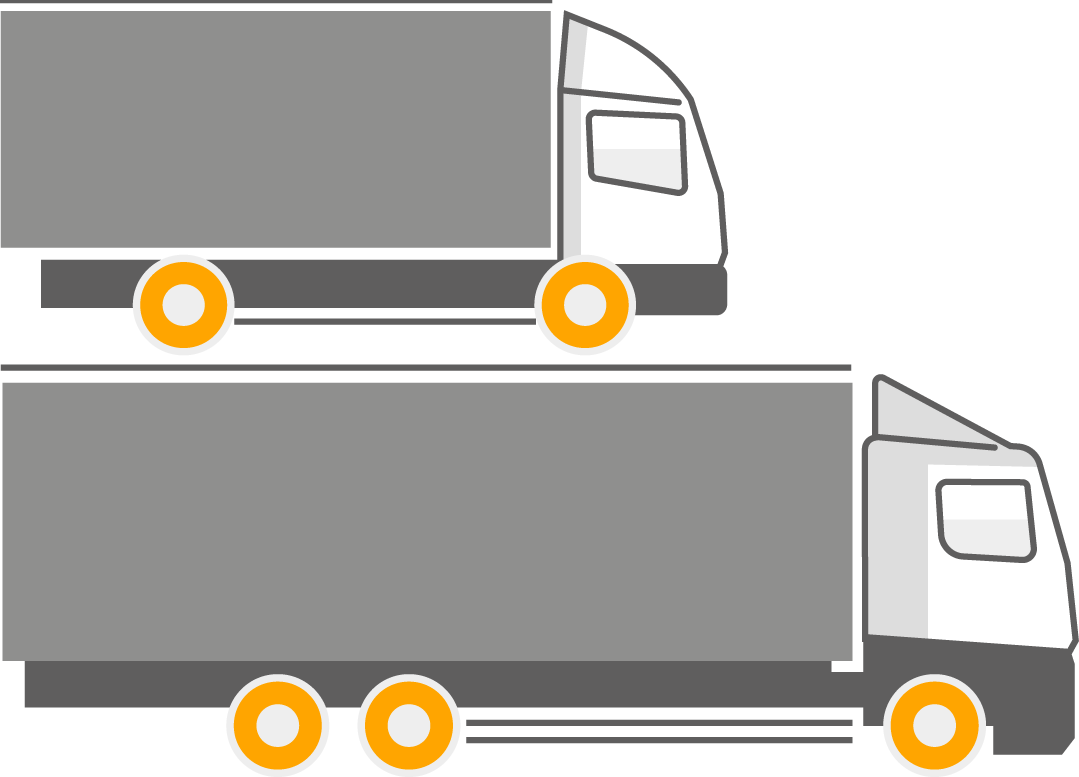
OEMs Are Cutting Emissions − Fleets Gain Too!
The Shift to Low Rolling Resistance Tires Is Reducing CO₂.
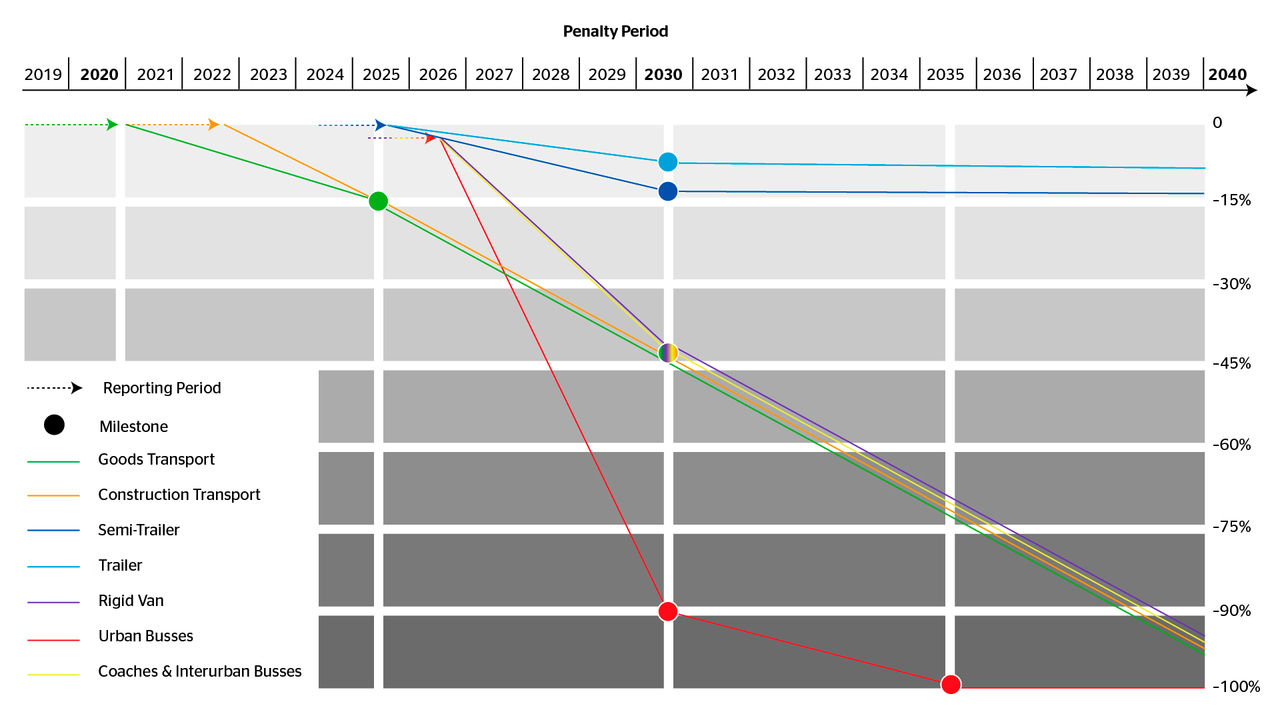
Why Low Rolling Resistance Tires Matter for Fleets
CO₂ emissions from heavy-duty vehicles will need to drop sharply in the next few years as the EU tightens fleet-wide targets. To comply, OEMs are increasingly equipping new vehicles with low rolling resistance tires. Step by step, more vehicles will meet these standards. Fleets benefit directly from low rolling resistance tires through reduced fuel consumption and lower operating costs. Understanding this shift helps fleets stay efficient, compliant and competitive in an evolving market.
A wave of change in sustainability laws and energy prices is reshaping the market. We try to deliver the best value for what customers are buying from us.
Catherine Loss
Head of Program Management EMEA / Continental