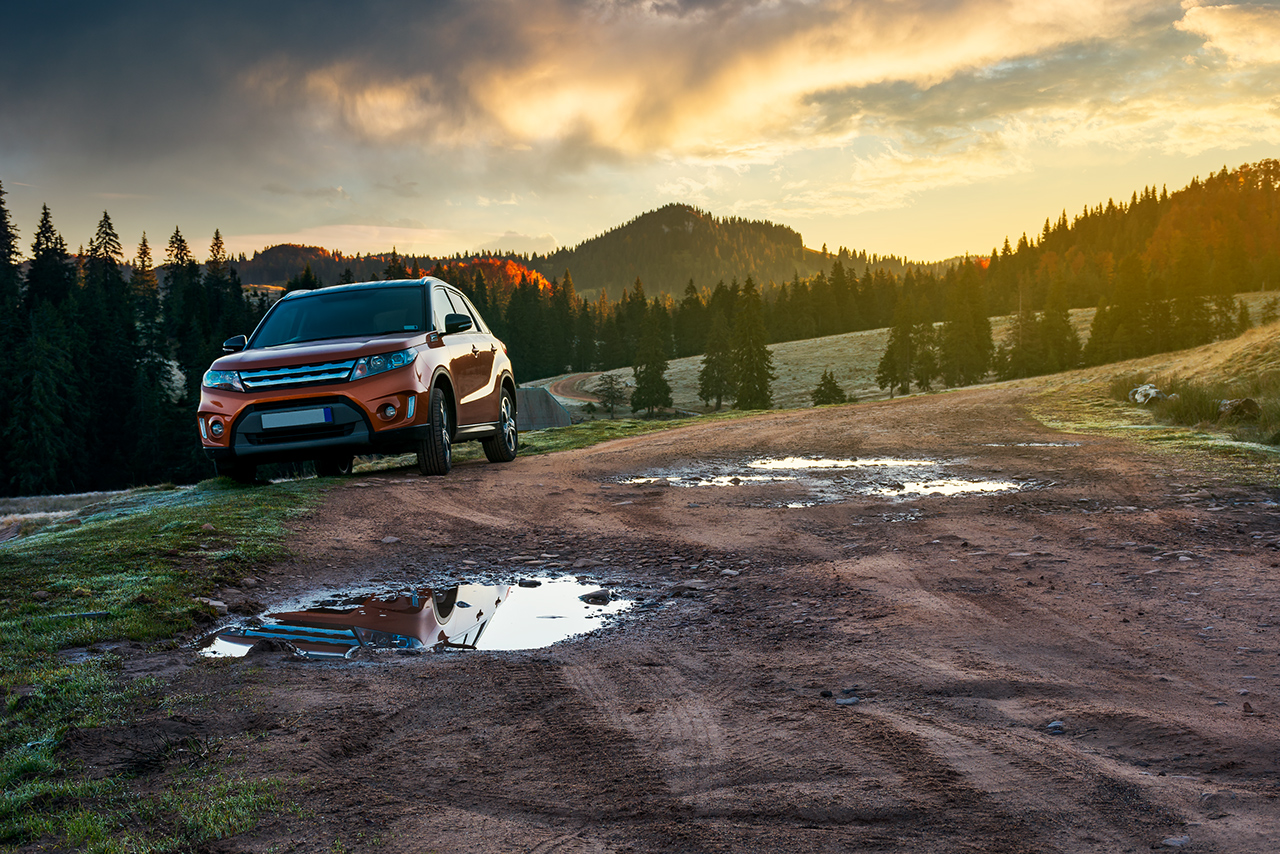
Off-road driving
Read more




If you're looking for new SUV tires, there are a number of things to consider to ensure the safety and quality of your new tires – as well as a smooth and enjoyable drive. As there’s a huge variety of sport utility vehicle models available, it’s important to select the right tires to suit your specific SUV. This article will explore the things you need to consider before buying tires and why your specific category of SUV requires certain specifications.

At Continental, we’ll help you find the perfect tire to suit your SUV. Some key things you’ll want your tires to be capable of – depending on the road surface – are the following:
Depending on where you live and the type of SUV you have, the conditions will place different demands on your tires. Below are some situations you might relate to, and suggestions for Continental tires
If you live in an area where the winters are especially demanding, you may need 4WD (four-wheel drive) to tackle snow, ice, mud, and steep inclines. If you can relate to this, you likely need winter tires that have an aggressive tread pattern for grip on loose terrain – particularly wet snow and mud.
If your living and driving conditions reflect or are similar to this, here are some Continental winter tires to consider for your SUV:
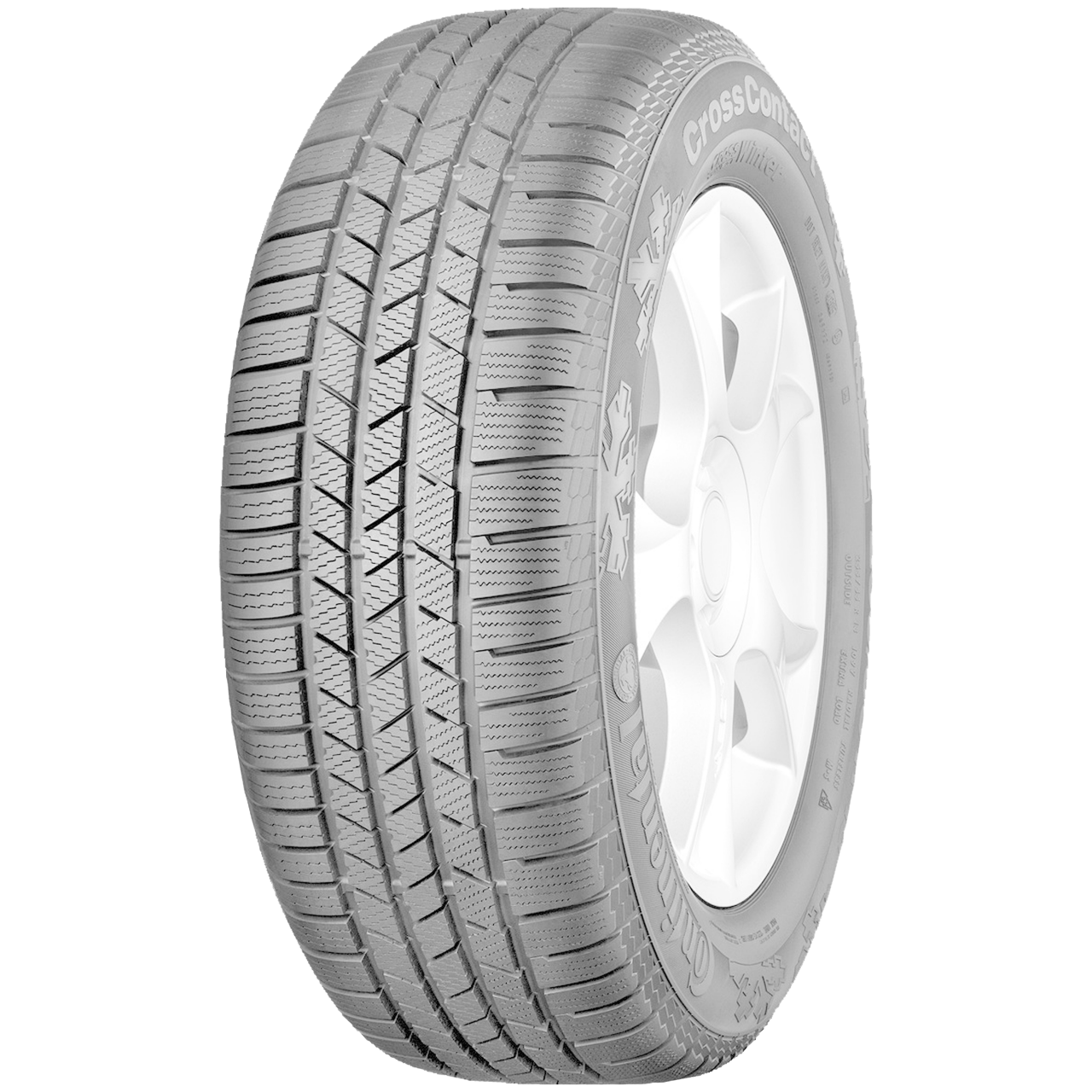
CrossContact™ Winter: especially designed for SUV and off-road vehicles, it offers excellent traction and braking performance on snow and wet roads and with its robust sidewalls, you will be able to avoid the shock of rocks and other off-road hazards.
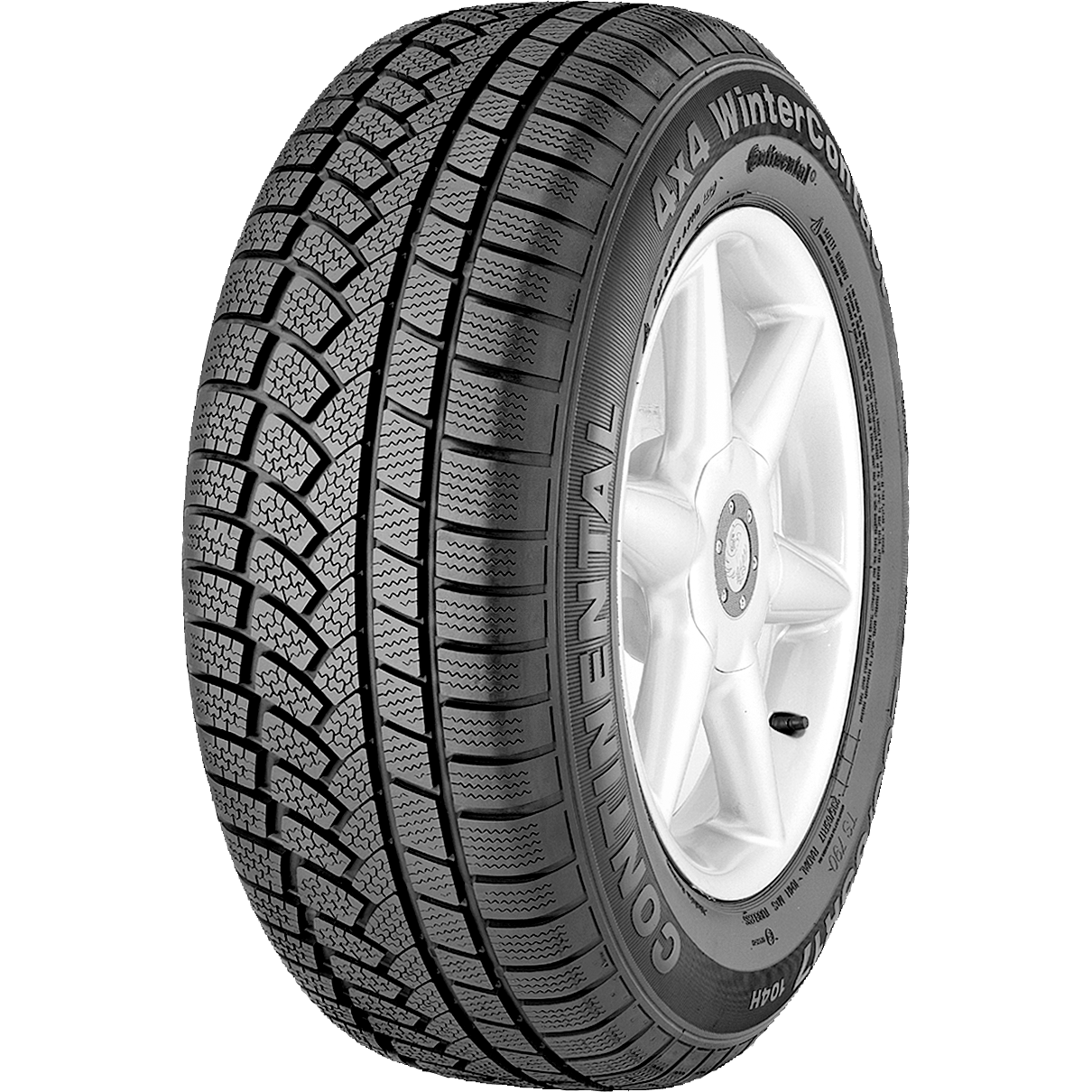
4x4WinterContact: also especially engineered for SUVs and off-road vehicles, this versatile tire offers excellent resistance to aquaplaning and also provides great traction and braking performance.
If you drive your crossover on tarmac roads but often switch to irregular terrains for weekends away on country gravel roads, you will benefit from an all-terrain tire with an interlocking tread design. It provides the durability to conquer dirt, gravel, and grass, but also offers a quieter, comfortable ride on paved roads.
Here are some Continental summer and all-season tires to consider for your crossover or SUV:
Performance SUVs combine the speed and acceleration of a sports car with the robustness of an off-road vehicle.
Fast, heavy vehicles place the highest demands on tires. To exploit performance SUVs full potential and ensure safety at the same time, suitable high-performance tires are required.
An electric or hybrid SUV has lower emissions, maintenance costs, and engine noise. However, there is almost an additional 30% increase in the weight of electric cars due to the battery they require. This weight places a lot of strain on the tires of electric vehicles.
In addition, the instant torque of electric vehicles provides immediate acceleration, which puts much more stress on the tires.
We’ve adapted our products to fit the specific needs of alternatively powered vehicles
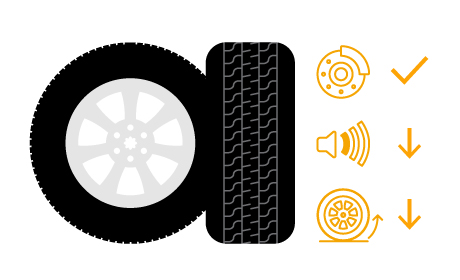
The short answer is: no. Mainly off-road SUVs have four-wheel drive (4WD). Others, however, do not. This goes especially for small, compact or so-called crossover SUVs, which combine the best of both worlds: escaping the city and managing daily business such as driving to work or parking in tight city spaces.
Most SUVs can handle light off-road driving, but their real capability depends on several factors, including drivetrain, ground clearance and, most importantly, the tires fitted. Many modern SUVs and crossovers are designed primarily for on-road use, meaning they can cope with gravel roads, grass or mild dirt tracks, but are not suitable for demanding off-road terrain.
If your SUV is equipped with four-wheel drive (4WD or AWD), it will generally offer better traction and stability on loose or uneven surfaces. However, even vehicles with four-wheel drive require appropriate off-road or all-terrain tires to perform safely and effectively outside paved roads.
Before taking your SUV off-road, consider:
Find out more about off-road driving