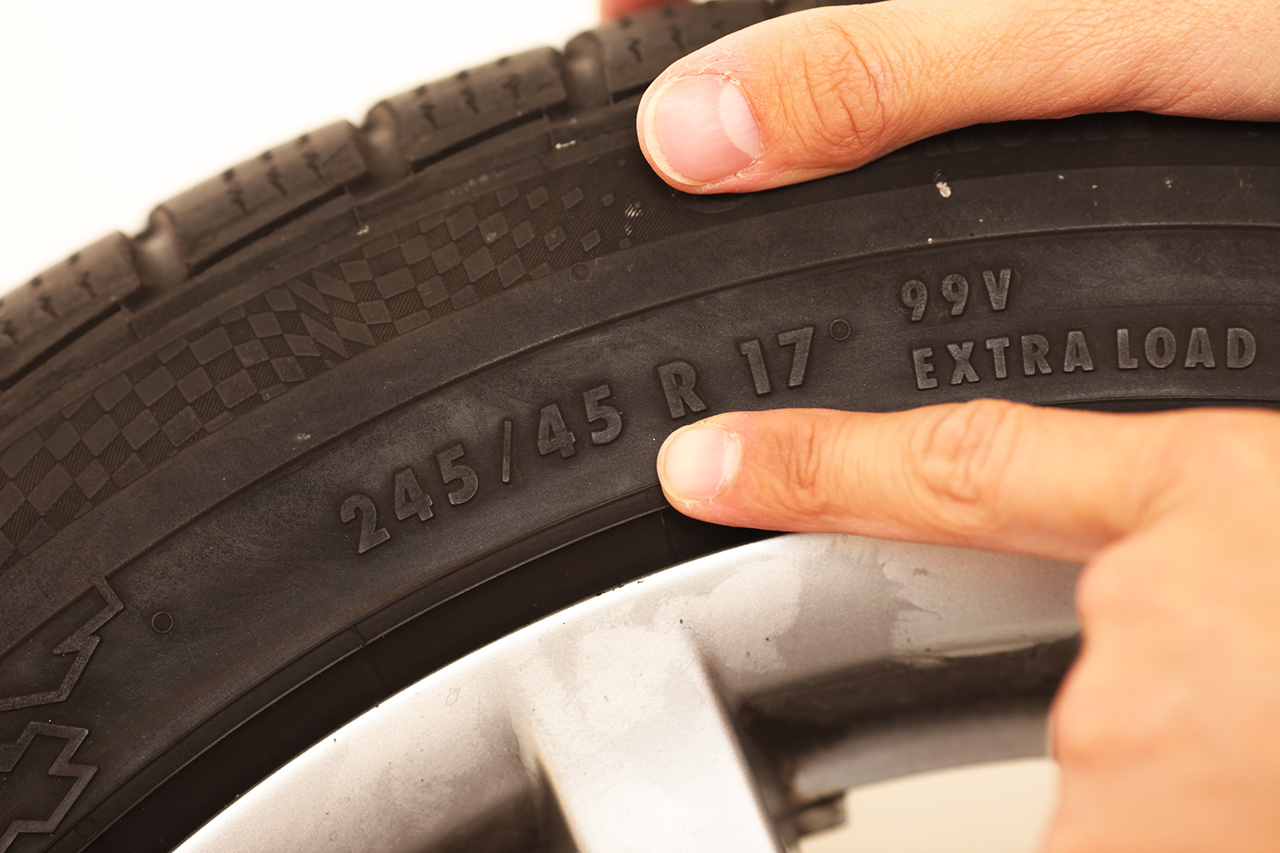
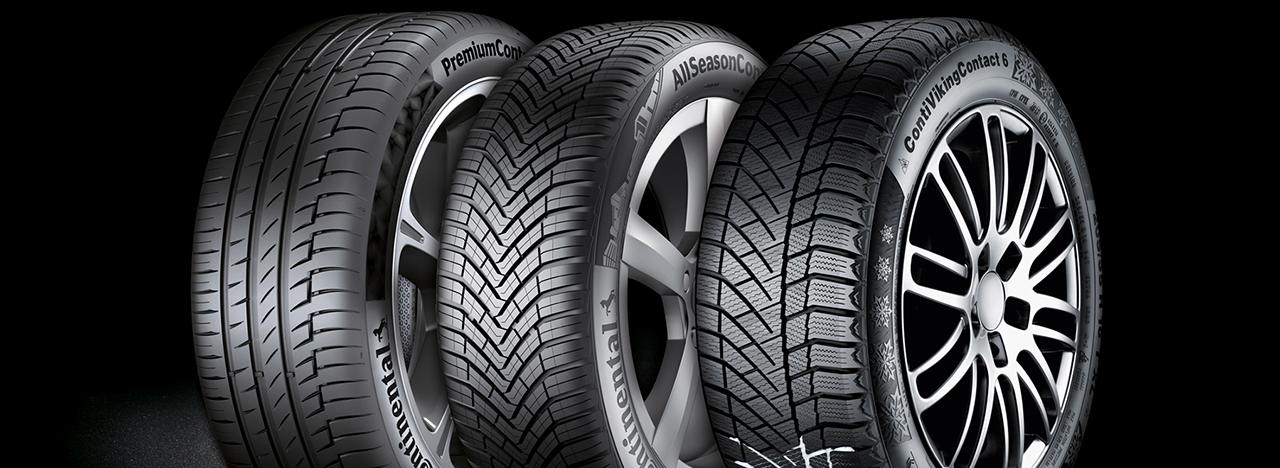
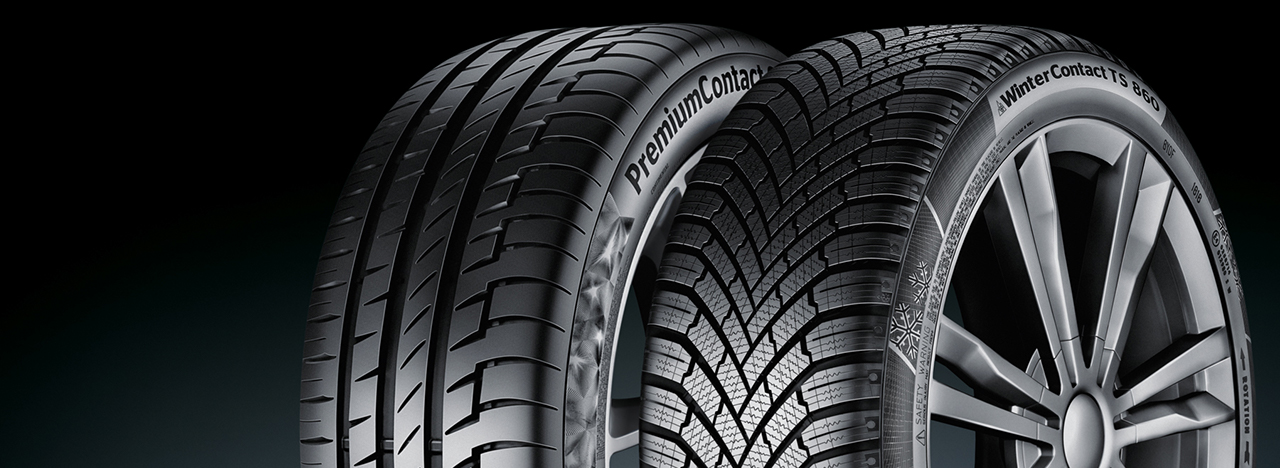
Tire markings
Markings on the tire sidewall are shorthand for a wealth of information including the load index, speed rating, tire size, construction, and more.
Read more




Annual car inspections are an important part of keeping roads safe for drivers. Regular technical car inspections help ensure that any vehicle traveling on public roads is safe. But what do these inspections actually involve? Here we’ve created a useful guide to annual car and vehicle inspections and how they are regulated in different countries, including pre-inspection checks, the most common failure points, and what to do if your car fails an inspection.

A technical annual car inspection is a mandatory assessment of a vehicle's roadworthiness and safety, with the aim of checking whether it can be used on the road for a specific period, usually a year. The process involves a thorough inspection of the car and its critical components, including brakes, suspension, tires, emissions, and lighting, to make sure the vehicle meets the required safety standards. While regulations vary across countries, many require vehicles to undergo a technical inspection within a specific time frame, with the frequency depending on the age and type of vehicle.
Technical annual car inspections vary internationally, with different names and frameworks depending on where a vehicle is registered. For example, the UK has the MOT, Spain has the ITV, and Germany has the Hauptuntersuchung (HU), commonly known as the TÜV. Inspection intervals and requirements vary. This list shows a few common examples, but it is not exhaustive, so you should always check your own country's vehicle inspection requirements.
Country
|
Car Inspection Name
|
First Inspection
|
Inspection Frequency |
UK
|
MOT
|
Three years old
|
Annually
|
Spain
|
ITV
|
Four years old
|
Every two years until 10 years old, then annually
|
Germany
|
Hauptuntersuchung (HU)
|
Three years old
|
Every 2 years
|
France
|
Contrôle Technique
|
Four years old
|
Every two years
|
Norway
|
EU-kontroll
|
Four years old
|
Every two years
|
Austria
|
Pickerl
|
Three years old
|
First inspection at three years, second after two more years, and annual inspections from then on
|
Australia
|
Safety check / safety certificate / roadworthy certificate
|
Five years old
|
Annually
|
Australia (New South Wales)
|
Pink slip
|
Five years old
|
Annually
|
United States
|
Varies by state
|
Varies
|
Varies (some annual, some none)
|
Driving across EMEA (Europe, the Middle East, and Africa) exposes vehicles to a wide range of climates and driving conditions; from freezing, salt-heavy Nordic winters and hot, dusty Middle Eastern summers to the seasonal variations of Central/Western Europe. As such, vehicles in various parts of EMEA may face different stresses, affecting wear-and-tear, maintenance needs, and the likelihood that certain components might fail inspections.
Northern Europe's harsh weather can speed up corrosion, wear brakes faster, and make wipers and lights more critical for safety. Freezing temperatures in the Alps and Nordics put extra strain on batteries, tires, and fluids, with road salt increasing underbody corrosion. Hotter climates in the Middle East and Africa can affect tires, cooling systems, and fluids, and place extra stress on air-conditioning systems. In contrast, Central Europe's mixed climate makes seasonal checks and adaptable maintenance vital.
Pre-inspection checks can help identify simple faults early on, so you can fix avoidable issues ahead of your vehicle inspection. A quick walk-around and basic function check of commonly assessed items can improve your chances of a smooth pass.
You have two options when it comes to pre-inspection checks: you can do them yourself, or have a professional handle them. Doing it yourself is more budget-friendly. However, if you want maximum peace of mind and an expert once-over before your official inspection, taking your car to a mechanic is a worthwhile investment. Whichever route you decide on, these are the key areas you should check:
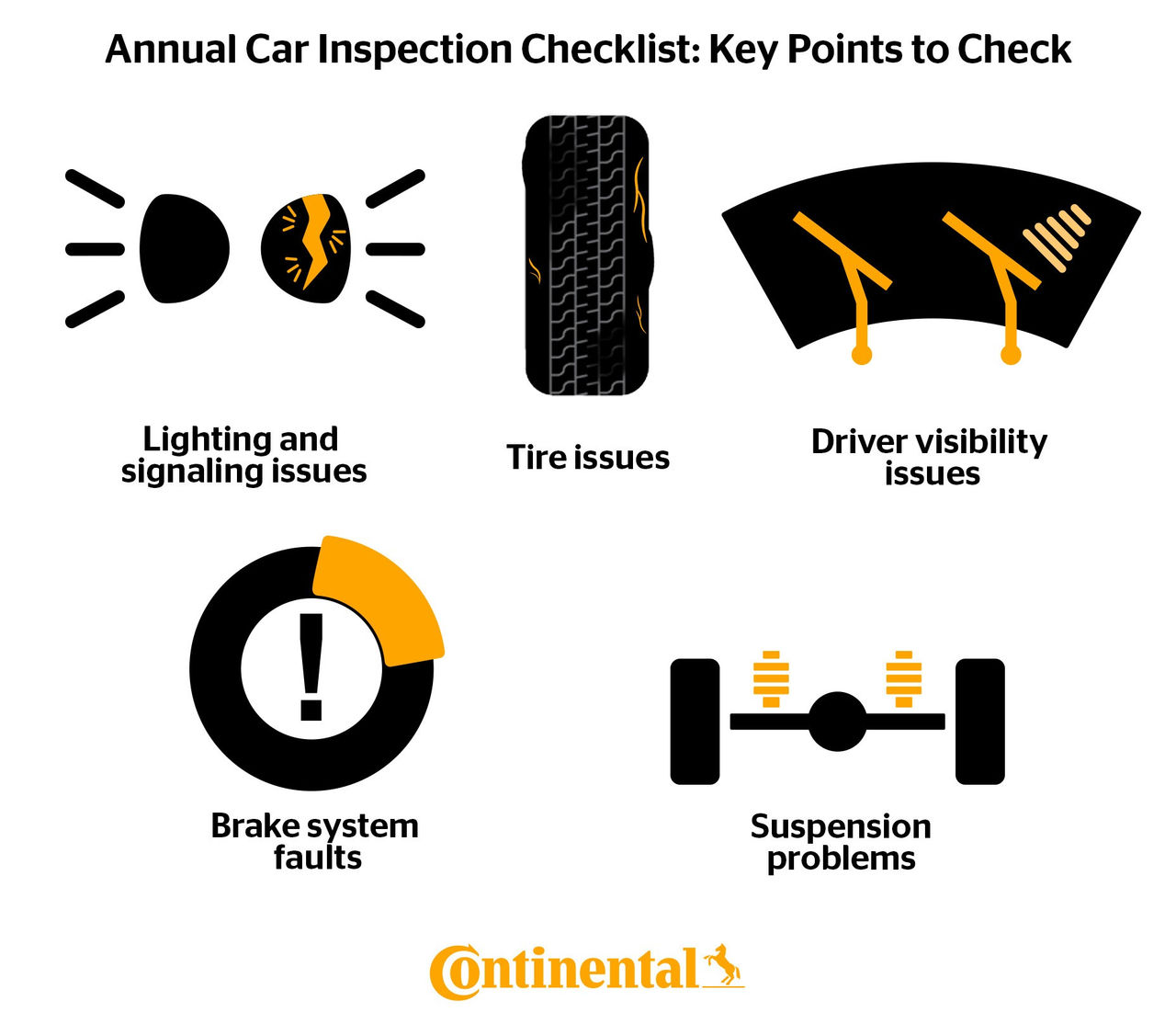
Many owners find that their vehicles fail inspection due to a minor issue, which often could have been spotted and dealt with ahead of time. By being aware of the most common vehicle inspection failure points, you can help prevent them, potentially saving yourself time, money, and hassle. Here are some of the most common failure points:
Tires are key to handling, stopping, and keeping your vehicle safe in all seasons. If you’ve got worn or damaged tires, you are more likely to fail your vehicle inspection. These are the most common problems inspectors identify:
If your car fails its technical inspection, it is because the vehicle doesn’t meet roadworthy standards and cannot be driven safely. If this happens, you’ll be provided with a detailed report outlining the reasons why it has failed. The report will include the defects that need to be repaired for your vehicle to be considered roadworthy.
This list is not exhaustive, so you should always check your country's rules for what to do if your car fails a vehicle inspection.
The frequency of inspection varies by country, and it often depends on the vehicle's age, type, and use. In most European countries, vehicles are first inspected after three or four years, then every two years and annually as they age.
No. Official vehicle safety inspections must be carried out by authorized inspection centers, licensed garages, or government-approved inspectors.
No. Vehicle inspection requirements vary widely globally. Most countries in Europe have mandatory periodic technical vehicle inspections, but in other parts of the world, it may be limited or not required at all.
The legal minimum tire tread depth varies by country, so you should always check the legal tread depth requirements in the country where your vehicle is registered.