Tire repair
Read more




Your vehicle’s fuel efficiency depends on more than just your driving habits – your tires play an important role as well. Over time, as tires wear down, their rolling resistance decreases. The good news? Regular maintenance and choosing the right tires can help mitigate these effects, saving both fuel and money.
Tires are the only point of contact between your vehicle and the road. Their condition influences how much energy is required to keep your car moving efficiently. A well-maintained set of tires can improve fuel efficiency, reduce emissions and save money on fuel costs.

Every time your vehicle moves, its tires encounter rolling resistance – the force required to keep them rolling. As a tire rotates, it flexes and deforms against the road surface, leading to energy loss in the form of heat. This energy loss means the engine must work harder to keep the vehicle moving, thereby increasing fuel consumption.
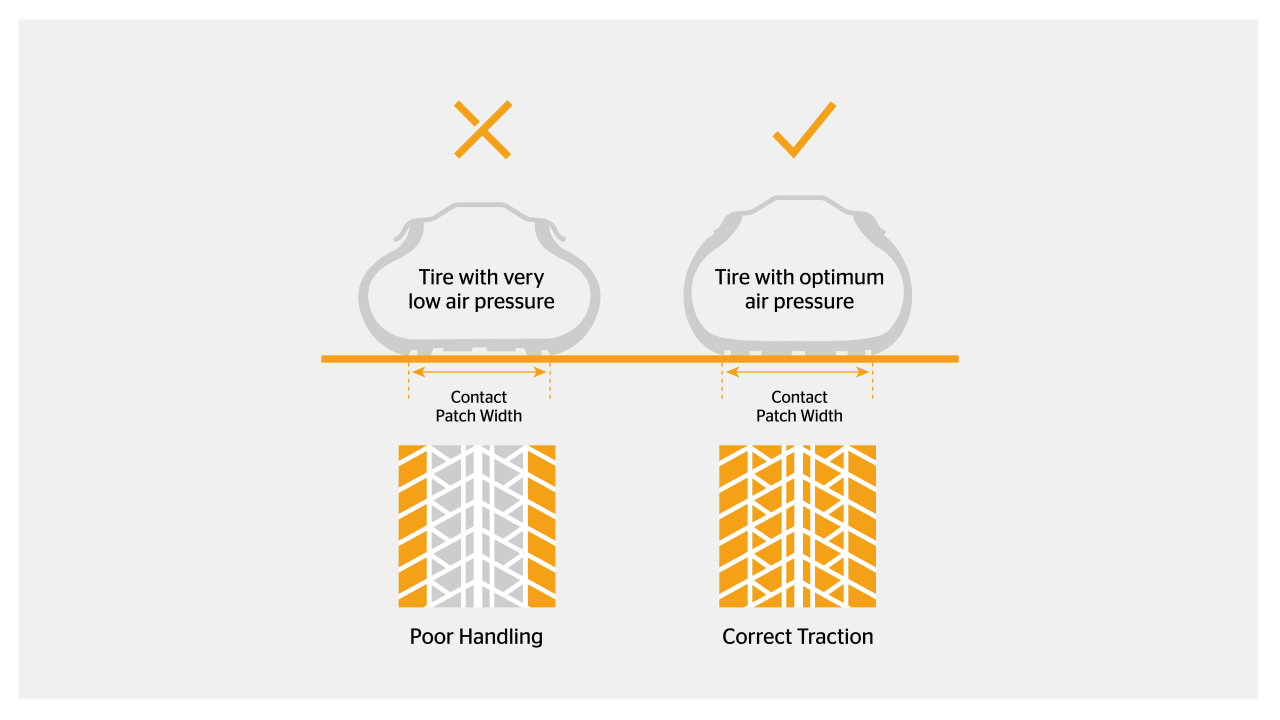
Rolling resistance is a natural force, but it can be managed through proper tire maintenance. When tires are under-inflated or misaligned, the amount of rolling resistance increases, leading to increased fuel consumption.
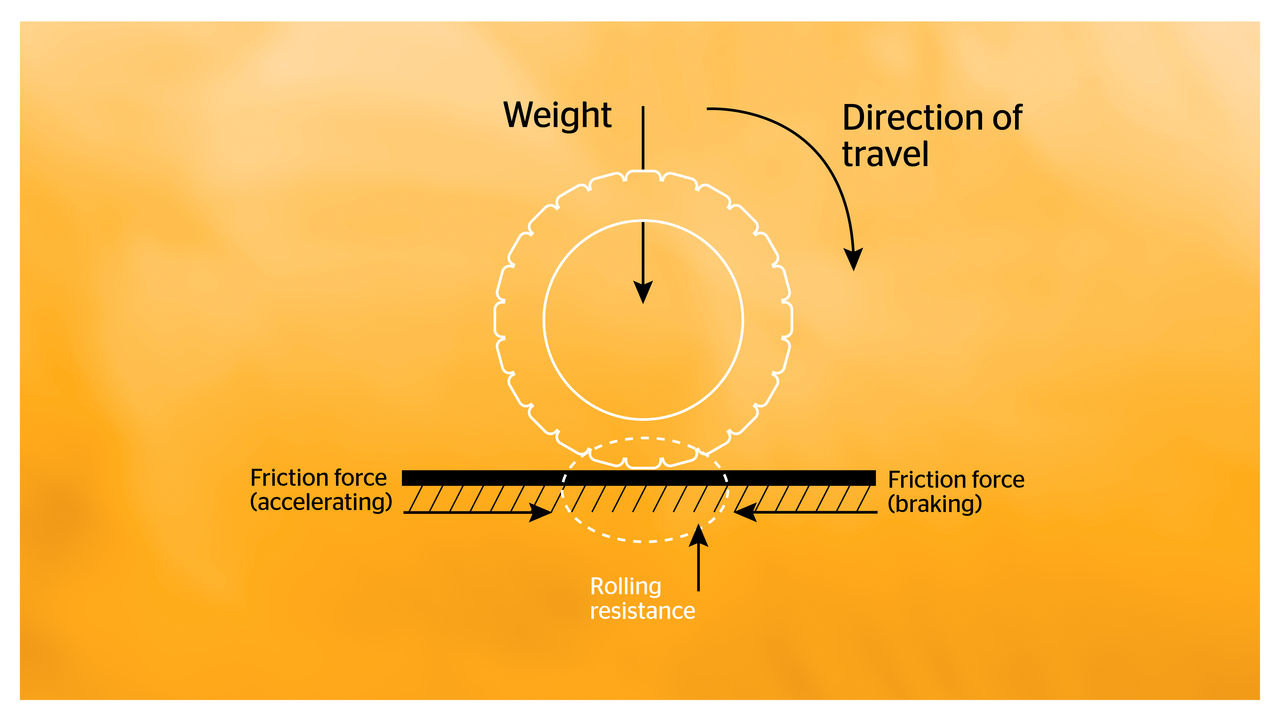
The deeper the tread, the better the tire grip on the road. As the tread wears down, however, the tire becomes more efficient, decreasing the amount of fuel needed to keep the vehicle moving.
In most regions, the legal minimum tread depth is 1.6 mm, but experts recommend replacing tires once they reach 3 mm for optimum wet grip performance and safety.
While it may seem economical to use tires until they are completely worn out, this often leads to higher long-term costs. Reduced road grip, shorter tire lifespan and increased wear on other vehicle components can all drive up overall expenses.
Tire Pressure & Fuel Efficiency
Under-inflated tires can significantly impact fuel efficiency. When tire pressure drops below the car manufacturer’s recommendation, rolling resistance increases, making the engine work harder. Maintaining correct tire pressure can save up to 3% in fuel costs. On the other hand, increasing the comfort inflation pressure by 0.4–0.5 bar reduces the rolling resistance of the tire by about 10% and improves the driving stability of the vehicle.
Tire Alignment & Rotation
Misaligned wheels create uneven tire wear, which increases rolling resistance and fuel consumption. The life expectation is reduced too, so the recommendation is to adjust the wheel alignment in the event of irregular tire wear. Regular tire rotation ensures even wear and extends tire lifespan. Poor alignment can lead to up to 10% more fuel consumption. Regular rotation helps maintain even wear and fuel efficiency.
Low Rolling Resistance Tires
Not all tires are created equal when it comes to fuel efficiency. Low rolling resistance tires are specially designed to reduce energy loss, making them a smart investment for long-term fuel savings.
High-efficiency tires can improve fuel economy by up to 9% compared to lower-rated models (EU Consumer Guide).
Reduce CO₂ emissions by hundreds of kilograms per year
Additional Consideration: Choosing the Right Tire Compound
Summer tires vs. all-season tires: Summer tires provide better fuel efficiency in warm climates, while all-season tires are a more balanced choice for varying conditions.
Soft vs. hard rubber compounds: Softer compounds wear faster but offer better grip, while harder compounds last longer but may increase rolling resistance over time.
Extending tire life not only improves fuel efficiency but also reduces long-term costs. One effective approach is to maintain the correct tire pressure. Under-inflated tires increase rolling resistance, thereby forcing the engine to work harder, and they are more sensitive to irregular tread wear. In order to ensure optimum performance, it is important to check tires and pressure regularly – on a monthly basis and before long trips – and adjust tire pressure to cater for increased load or speeds prior to setting off on a long trip.
Tire rotation is good for even treadwear and better for fuel consumption. It is recommended every 5,000 to 10,000 km or when switching between summer and winter tires. Proper wheel alignment also reduces unnecessary drag, enhancing efficiency.
Driving habits also play a significant role. Gentle braking, moderate acceleration and avoiding sharp turns can minimise wear and extend tire life. Using nitrogen instead of air for inflation can help maintain more stable pressure, improving efficiency.
If only two tires need replacing, it is best in most cases to install the new ones on the rear axle so as to maintain stability on wet roads and during cornering. For optimum handling and safety, all four tires should ideally have the same tread pattern and grip behaviour. By adhering to these guidelines, drivers can optimise vehicle performance and reduce fuel costs.
Proper tire maintenance isn’t just about fuel savings – it has a broader environmental impact, too. Poorly maintained tires lead to increased CO₂ emissions, contributing to air pollution and climate change. Studies suggest that improving tire care could significantly reduce global fuel consumption and associated emissions, especially in urban areas with heavy traffic.
From a financial perspective, maintaining tires properly leads to substantial cost savings. Poor tire maintenance results in frequent replacements and increased fuel expenses, while well-maintained tires can save drivers up to €660 over the lifespan. Additionally, investing in tires with low rolling resistance helps reduce fuel consumption and environmental impact, making them a smart choice for eco-conscious drivers.
By keeping tires in good condition, drivers not only save money, they also reduce their carbon footprint, thereby promoting a more sustainable approach to driving.
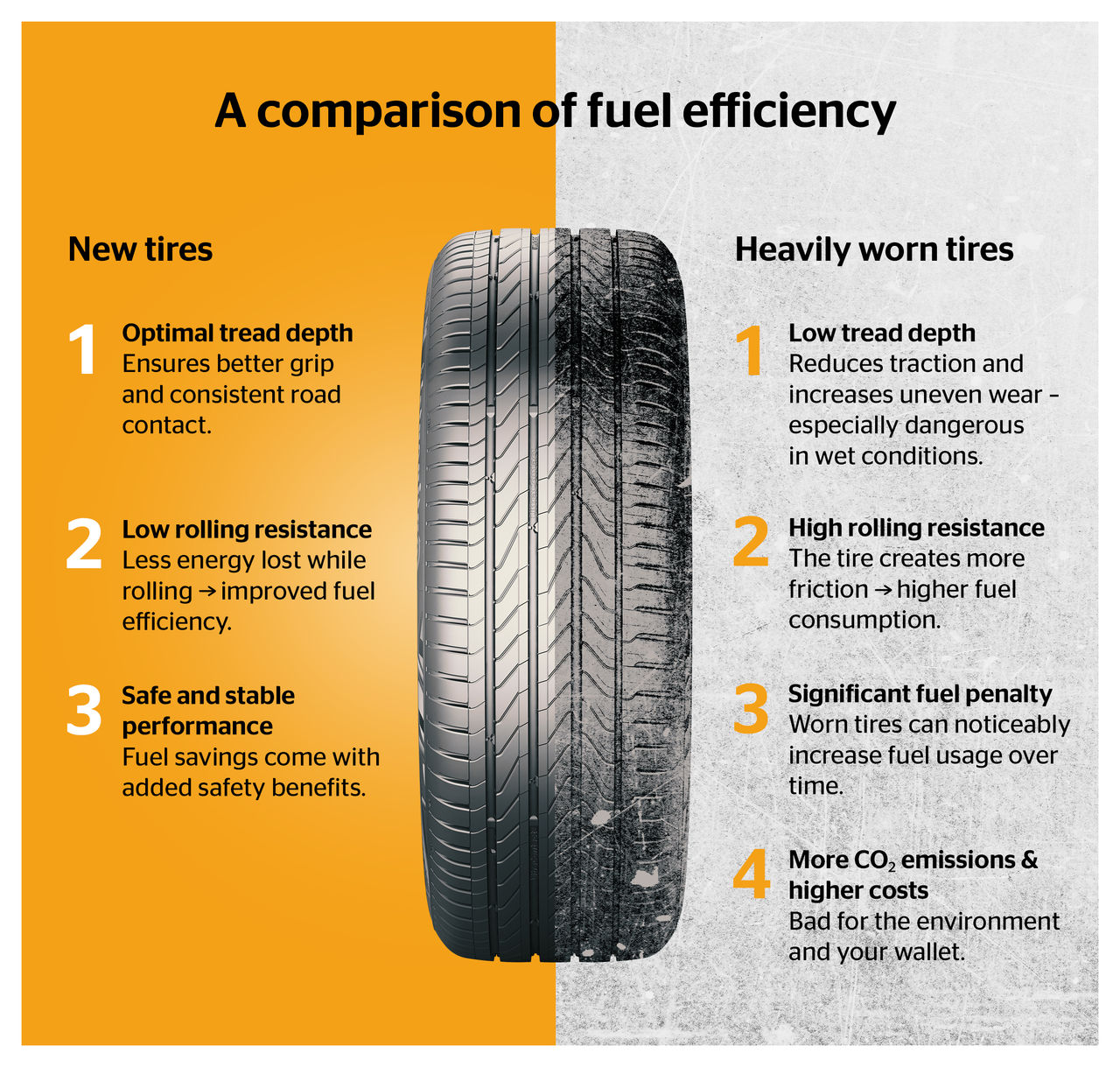
While it’s easy to overlook tire maintenance, it does have a direct impact on fuel efficiency and environmental sustainability. By ensuring that your tires are properly inflated, aligned and rotated, you can enhance fuel economy, reduce emissions and extend tire lifespan – all while saving money at the pump.
Even small adjustments such as checking your tire pressure or replacing worn-out tires can result in significant savings and reduce your environmental footprint.
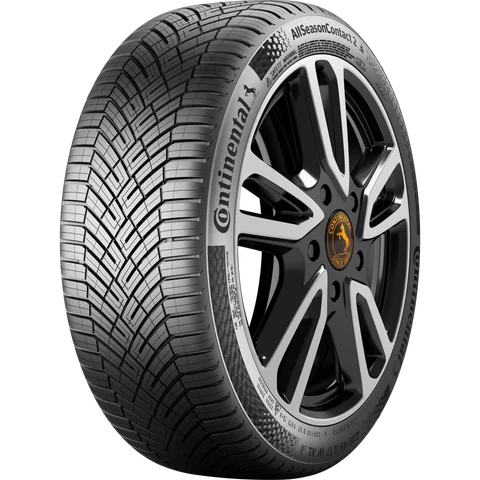
You can’t control the weather. But you can be prepared.
View details