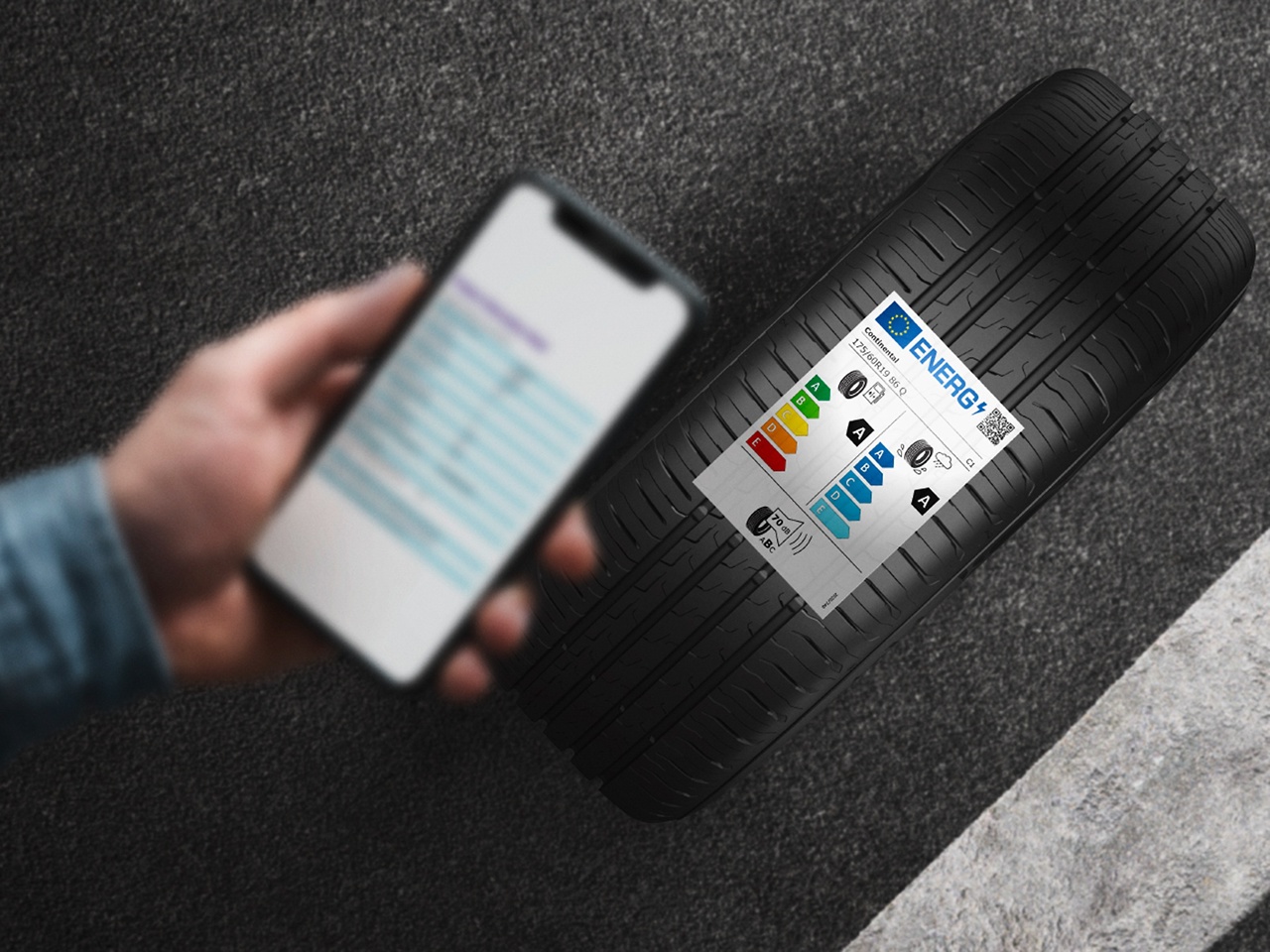
EU Tire Label
Read more




The performance and handling of your vehicle depend on the tires. After all, tires are the only contact between the car and the road.
So, when it's time to buy a set of new tires for your vehicle, there are multiple factors you'll want to take into consideration, including your driving style, budget, and the region where you live. Our tire buying guide will help you navigate the technical specifications to find the perfect fit.
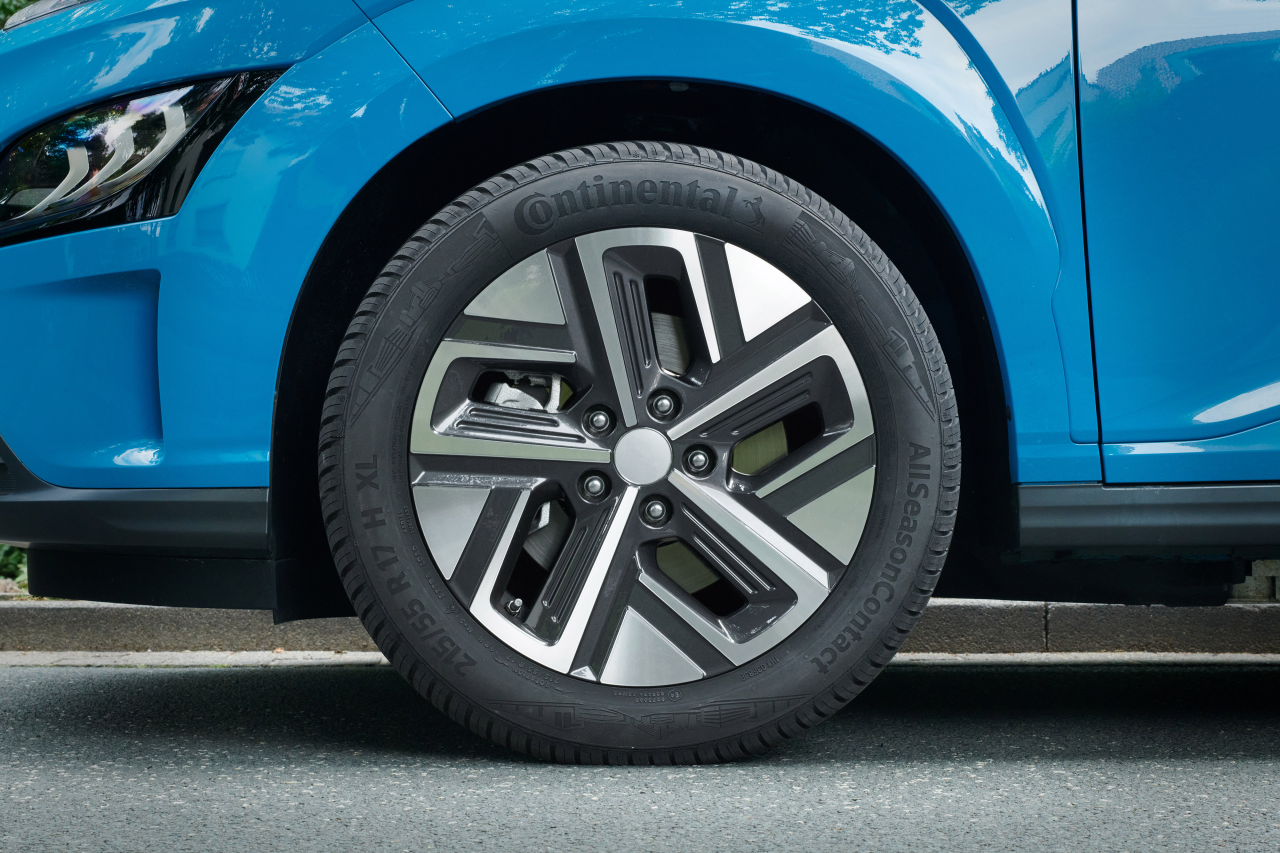
Choosing the right set of tires is essential for your vehicle’s safety, handling, and overall performance. Before comparing specific products, it is helpful to understand the key factors that determine which tires are suitable for your car and your driving needs. The following points provide a quick overview of what matters most when buying new tires.
Tire size and compatibility:
Make sure the tires match the size and specifications recommended by your vehicle manufacturer. The owner’s manual, the tire sidewall, or the driver-side door jamb label will provide the correct dimensions.
Climate and seasonal conditions:
Your local weather plays a major role in tire choice. Depending on where you live, you may need summer tires, winter tires, or all‑season tires.
Driving style and comfort preferences:
Consider whether you prioritize quietness, fuel efficiency, sporty handling, off‑road capability, or long tread life in addition to safety. Different tire categories are designed to excel in different areas.
Load index and speed rating:
Check the tire’s load capacity and maximum speed rating to ensure they match or exceed your vehicle’s requirements. These specifications directly influence safety and stability. It’s often a legal requirement to use tires with load and speed rating as defined by the vehicle manufacturer.
Age and condition of the tire:
Even unused tires age over time if they are not stored correctly. Always check the DOT code to confirm that the tires are not old and have not been stored for an extended period.
Budget and long term value:
Price is important but so is long term performance and safety. Consider Continental premium tires due to durability, rolling resistance, and safety features.

The first requirement when choosing new tires is that they are compatible with your vehicle. Your owner's manual and documentation will contain a list of compatible tire types. You can also find the key characteristics of a tire on its sidewall. Look at the tires your car has now and use that as a starting point.
We strongly recommend that a vehicle uses the same type of tires on each wheel position. This uniformity is decisive to maintain performance and control.
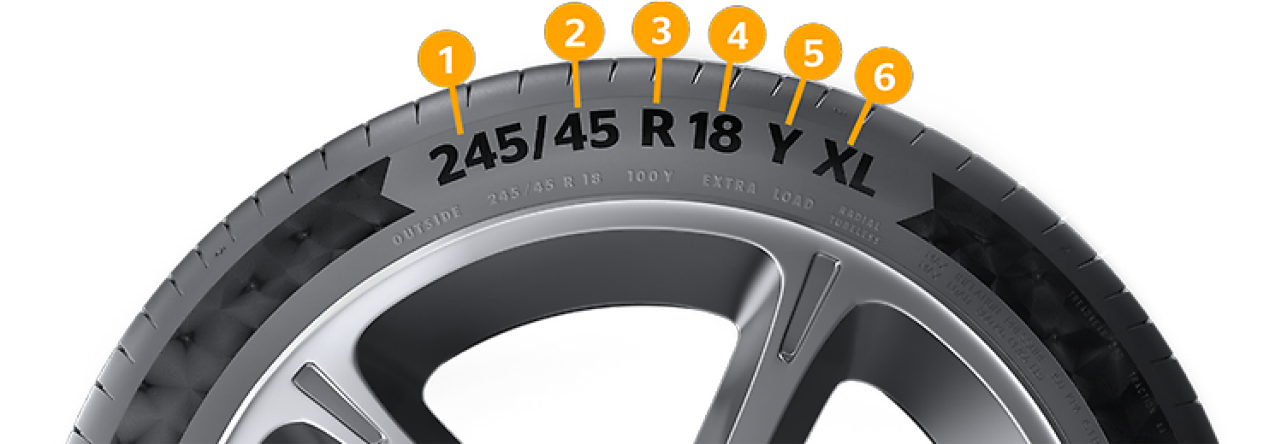
Tires can also vary in construction, indicated by the letter R for radial (3). Until the 1970s, cross-ply tires were the most common. They have a casing made from rubberized cord plies with edges wrapped around the bead wire. In modern car engineering, the radial tire has completely replaced the cross-ply tire. The cords in a radial tire casing run perpendicular to the direction of travel. Viewed from the side, the cords run radially – giving the tire its name.
The speed rating, denoted as a letter on the sidewall (5), is the maximum speed the tire is capable of. The speed rating must be at least as high as the vehicle's maximum for summer tires.
The car manufacturer also provides you with information on the ideal tire pressure for optimal operation of the car.
Maintaining the correct tire pressure is essential not only for optimal vehicle performance, but also for safety, fuel efficiency, and tire longevity. Car manufacturers specify the recommended tire pressure for each model, typically found in the owner’s manual, on a sticker inside the driver’s door, or near the fuel cap. This recommendation is carefully calibrated based on the vehicle’s weight, handling characteristics, and braking performance.
Even if a tire has never been used, the rubber compound degrades over time if not stored correctly. This makes the DOT code (DOT = Department of Transportation) a globally essential check for any tire buyer.
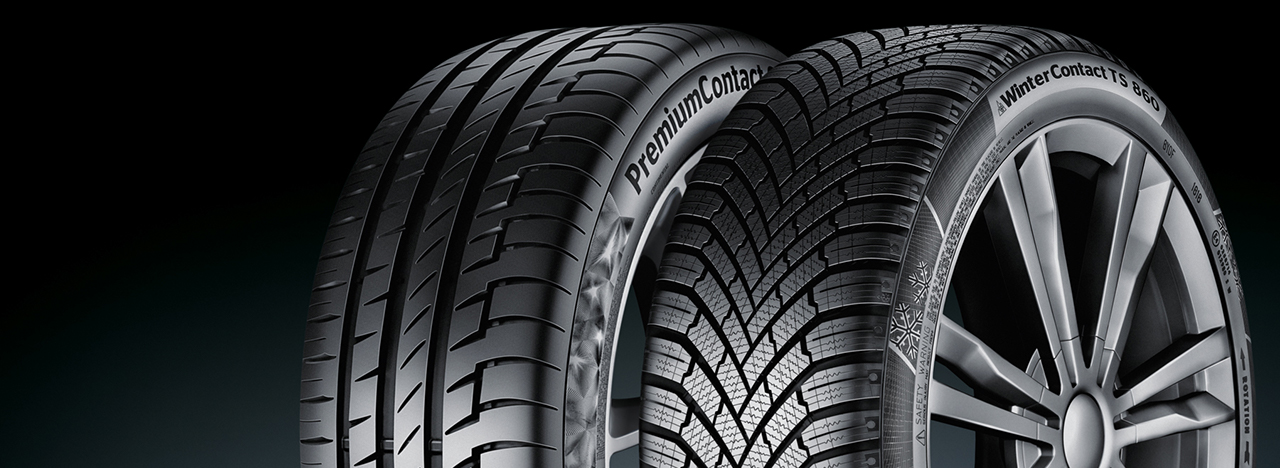
The local climate is the biggest factor after all technical requirements are met. Driving conditions vary throughout the year. So, when it’s time to buy new tires, the first thing you should do is consider the climate where you live. Depending on that, it may be better to alternate between a set of summer and winter tires, or it could be sufficient to stick with all-season tires.
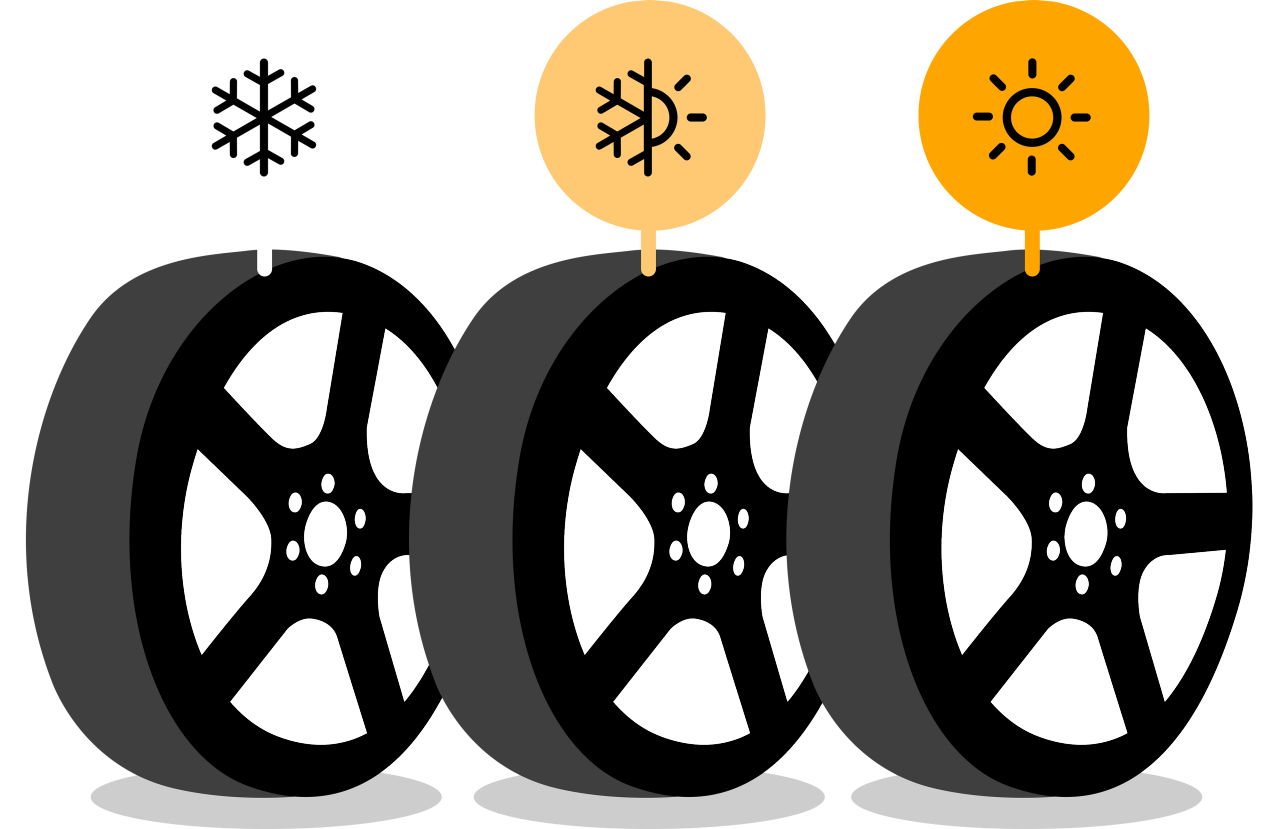
If you are unsure about the right tire choice, please contact your local dealer for personal advice.
Taken together, the key requirements for a tire narrow down your selection. But passenger tires still have many other options. Choosing the right tire for you depends on your driving style and budget.
Are you looking for a quiet, comfortable ride? Tires in this category have a tire tread designed to minimize noise. But the tread rubber may be softer, which increases the rate of wear. Therefore, quiet tires are best suited for paved roads.
Or perhaps you're looking for tires that offer the best fuel or energy efficiency? These tires have a tread with lower rolling resistance which provides substantially improved fuel or energy mileage.
If you drive on unpaved roads or enjoy some off-roading, tire versatility is essential. An all-terrain tire may be enough. Or you may consider the added sidewall protection of an off-road tire. Many specialty truck tires, such as mud tires, offer added traction for various terrains.
Finally, be aware that different tire types behave differently. Give yourself time to adjust when driving, accelerating, and braking with new tires.
The original equipment (OE) tires are chosen by the vehicle manufacturer, meeting their exact requirements after having undergone a series of rigorous tests. OE tires can be new designs, tweaks to an existing tire, or a preferred choice of stock tire. For many drivers, picking OE tires for their vehicle is a simple, fuss-free option.
Your car comes with preinstalled tires. These are the original equipment (OE) tires chosen by the vehicle manufacturer, which meet their exact requirements having undergone a series of rigorous tests. OE tires can be new designs, tweaks to an existing tire, or a preferred choice of stock tire. For many drivers, picking OE tires for their vehicle is a simple, fuss-free option.

Researching before purchasing new tires is essential for your safety and vehicle performance. Keep these final indicators in mind to determine if your current set has reached the end of the road:
You should replace your tires if the tread depth is getting closer to the minimum legal requirement of 1,6mm, if the sidewalls show cracks or bulges, or if the tires are more than 6 to 10 years old, regardless of tread wear.
Ideally yes. Replacing all four tires ensures consistent handling, braking, and stability. If you only replace two, they should always be installed on the rear axle to maintain control of the vehicle.
While it’s possible, it is not recommended without professional advice. Changing the size can affect your speedometer accuracy, fuel economy, and clearance within the wheel well.
A higher speed rating (like V or W) means the tire can handle heat better at high speeds, but there is no general benefit in fitting tires with a higher than required speed-rating.