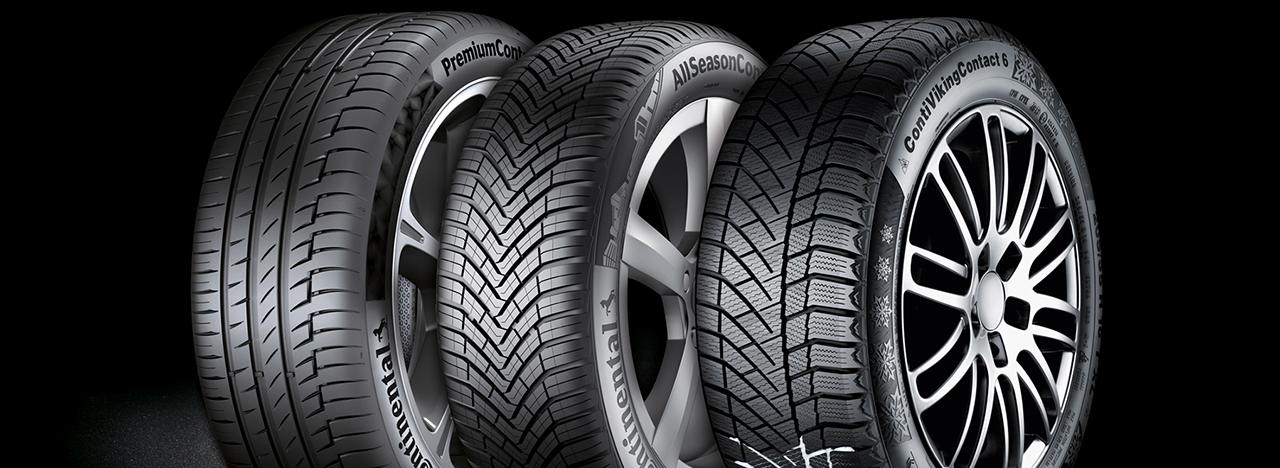
AllSeasonContact 2
Introducing the AllSeasonContact 2, our innovative year-round solution for mild climates with occasional snow
Read more




Your tires are an integral part of your vehicle’s safety, so you want to make sure they’re in top shape before you hit the road, especially for long trips. Tire safety should be checked regularly. Some aspects, such as tire pressure and tread depth, should be checked at least once a month, while others should be consistently monitored.
Vehicle regulations are different in each country, but for the most part, many of the same elements are included in an annual car inspection. For your tire check, expect to include the following:
Tire tread depth is the vertical measurement that runs from the top of your tire’s rubber down to the bottom of its deepest grooves. Tread depth is important for traction and braking, while also helping to channel water away to prevent hydroplaning.
In Europe and other parts of the world, new summer tires usually have a tread depth of around 6 to 8mm (10/32 or 11/32), while the minimum legal limit is 1.6mm (2/32) for safety reasons. A good measurement for tire tread depth is about 4.7mm (6/32) or higher.
In the UK, tread depth is measured in millimeters, and MOT tire rules state that the minimum required tread depth is 1.6mm. Minimum legal requirements for tire tread depth can vary from country to country, so make sure you check your local regulations.
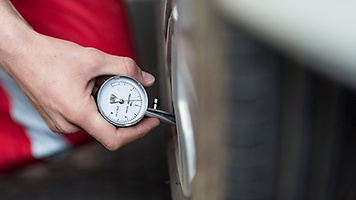
Once you know your local requirements, you can now measure your tread depth. To check your tire tread depth, you can use a tool called a tire tread gauge, which every vehicle should have in its glove compartment.
To get an accurate measurement with your tire tread gauge, follow these steps:
Your tires are an integral part of your vehicle’s safety, so you want to make sure they’re in top shape before you hit the road, especially for long trips. Tire safety should be checked regularly. Some aspects, such as tire pressure and tread depth, should be checked at least once a month, while others should be consistently monitored.
Vehicle regulations are different in each country, but for the most part, many of the same elements are included across the board. For your tire check, expect to include the following:
Tire tread depth is the vertical measurement that runs from the top of your tire’s rubber down to the bottom of its deepest grooves. Tread depth is important for traction and braking, while also helping to channel water away to prevent hydroplaning.
In Europe and other parts of the world, new summer tires usually have a tread depth of around 6 to 8mm (10/32 or 11/32), while the minimum legal limit is 1.6mm (2/32) for safety reasons. A good measurement for tire tread depth is about 4.7mm (6/32) or higher.
In the UK, tread depth is measured in millimeters, and MOT tire rules state that the minimum required tread depth is 1.6mm.
Minimum legal requirements for tire tread depth can vary from country to country, so make sure you check your local regulations.
Once you know your local requirements, you can now measure your tread depth. To check your tire tread depth, you can use a tool called a tire tread gauge, which every vehicle should have in its glove compartment.
To get an accurate measurement with your tire tread gauge, follow these steps:
The next step is the tire pressure check, which should be conducted monthly, as tires can lose pressure over time. Underinflation can shorten your tire’s lifespan and even cause tire failure.
The correct tire pressure for your car will depend on its make and model. You should be able to find the ideal tire pressure on the driver’s side door jamb in kPa, bar and PSI units. Or, consult your vehicle owner’s manual to find guidelines directly from the vehicle manufacturer.
Here’s how to check tire pressure using a pressure gauge:
For the most accurate reading, check the pressure when the tires are cold, perhaps after the car has been parked for a few hours. You should also check the pressure in your spare tire regularly.
Tire Pressure Monitoring Sensors (TPMS) have been required in newly produced vehicles in the EU and UK since 2014, while in the US they’ve been required from September 2007 onwards.
Your TPMS is designed to constantly monitor the pressure in your tires and alert you when you need to take urgent action, typically when your tire pressure drops to between 20% and 25% below the recommended amount. These should not be relied on as your monthly tire pressure check.
In the US, UK, and EU, the manufacturer of the vehicle is responsible for installing these systems, but many states and countries have laws that require the system to be functioning in order to pass the safety inspection. It’s generally illegal to cause your TPMS not to function, and if it breaks or dies, it should be replaced as soon as possible. Make sure to look up the regulations for your specific country or state, as they can vary.
The final item on your tire inspection checklist is your tire condition.
Closely inspect your tires for damage, including but not limited to the following:
Cracks, cuts, bulges, and embedded objects can cause tread issues or structural problems that affect the overall performance of your tires. Your sidewalls, on the other hand, absorb most of the impact when you encounter potholes, curbs, and other objects on the road and can easily be damaged.
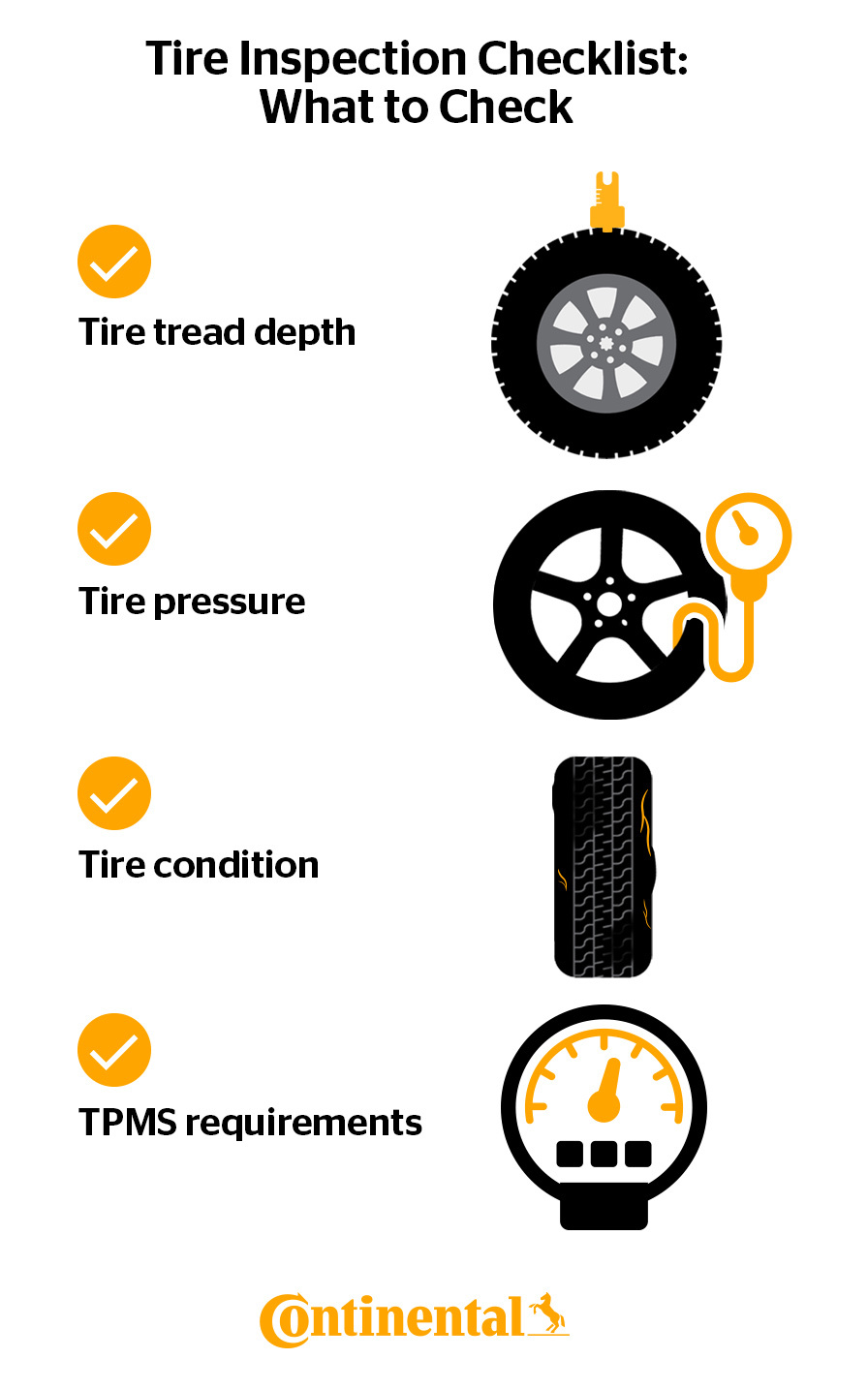
Tire inspection regulations vary from country to country, but there are a few common reasons why your tires may fail an inspection, no matter where you are:
To prevent each of these issues, it’s important to check your pressure regularly, keep an eye on your tread depth, and get any damage or alignment issues fixed as soon as you can. These issues are generally caused by neglect and are easy to avoid if you pay attention to them.
To ensure safety, you should check your own tires about once a month. It’s a good idea to always keep an eye on your tires’ physical condition, checking for any debris, punctures, or cracks.
Things that can’t be assessed visually, though, such as tire pressure, need to be checked at least once a month. Depending on the age and physical condition of your tire, you may also want to check your tread depth once a month, but this isn’t typically needed for new tires.
There are several things that determine when a tire needs to be replaced; consider tread depth, physical condition, and age. A tire should be replaced when it meets any of the following criteria: