International guide to annual car inspections
Learn about car inspection checks and regulations across different countries, including pre-checks, common failure points, and more.
Read more




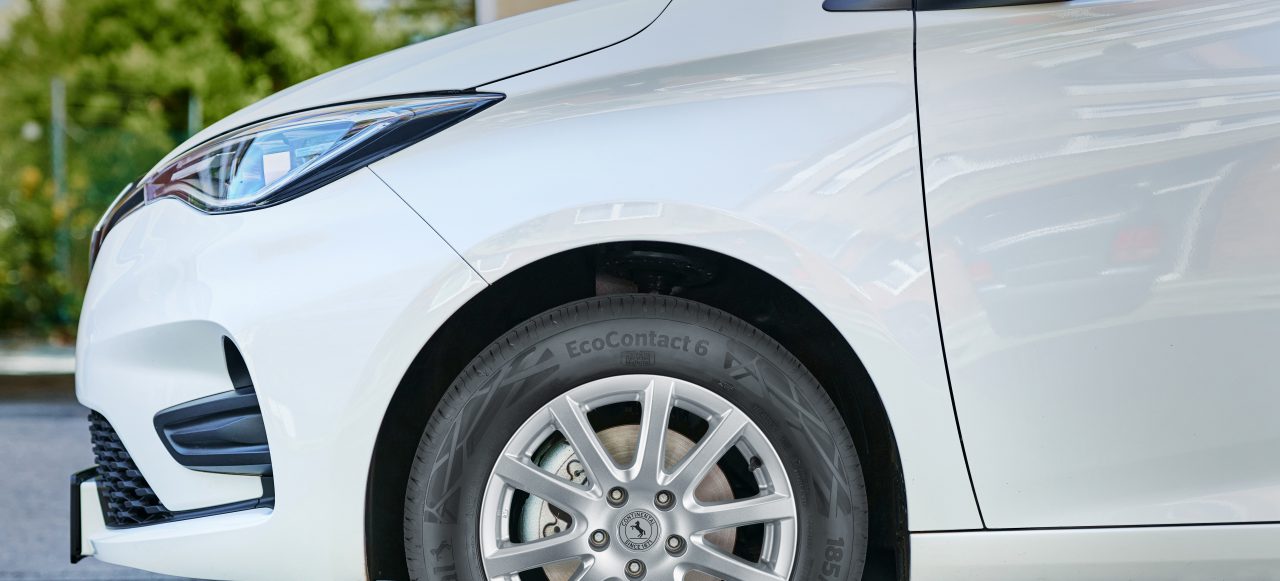
You may have come across the term torque steer before without fully understanding what it means. In extreme cases, torque steer can pose a safety risk, but modern vehicle designs have greatly reduced its impact, so most drivers don't need to be overly concerned.
If your car feels unusual or pulls unexpectedly while accelerating, you could be experiencing torque steer. When severe, it may create hazardous driving conditions or even cause a loss of control. Read on to find out what torque steer is, why it occurs, and how to reduce or handle it safely.
Torque steer is most commonly found in front-wheel-drive (FWD) vehicles and occurs when engine power affects the steering behavior. During hard acceleration, the driven wheels, which also handle steering, can pull or drift to one side. This can make the steering wheel feel like it's being tugged left or right, and the car's path may subtly change even when the driver is trying to keep it straight. In rear-wheel-drive (RWD) vehicles, torque steer doesn't happen because the front wheels aren't responsible for delivering power, allowing them to focus solely on steering. Meanwhile, in four-wheel drive (4WD) and all-wheels-drive (AWD) vehicles, it’s less noticeable as power is shared across all wheels.
Torque steer is a handling effect that occurs when unequal forces are transmitted to the front wheels during acceleration. It is most common in FWD vehicles and is usually the result of a mix of drivetrain imbalance, suspension geometry, and tire or road conditions. Below is a detailed breakdown of the main causes.
Damaged tire sidewalls: Damaged or weakened tire sidewalls can significantly contribute to torque steer. When a sidewall is compromised, it may flex unevenly under heavy acceleration, altering how the tire contacts the road surface. This uneven deformation changes the grip levels between the left and right front tires, creating an imbalance in traction. As a result, the vehicle may pull toward one side during acceleration.
Uneven traction: Uneven traction occurs when one front tire has more grip than the other due to differences in road surface, tire condition, or inflation pressure. During acceleration, the wheel with less grip tends to spin or respond differently than the other wheel, creating a force imbalance across the steering axis. This imbalance can cause the vehicle to drift or pull to one side.
Worn or damaged suspension: Suspension wear plays a major role in torque steer because it affects wheel alignment under load. Components such as control arms, bushings, and joints help keep the wheels stable and correctly positioned. When these parts are worn or damaged, they allow excessive movement during hard acceleration. This movement can temporarily change camber or toe angles, causing one wheel to shift differently from the other. The result is uneven force distribution at the tires, which the driver feels as a steering pull.
Worn engine mounts: Engine mounts secure the engine and transmission to the vehicle's chassis and help absorb movement and vibration. When these mounts wear out, the engine can shift position under torque load. This movement alters the drivetrain's alignment, resulting in uneven force transfer to the front wheels. As acceleration increases, the shifting engine can amplify steering pull by altering axle angle or increasing stress on one side of the drivetrain.
Unequal CV joints: Constant velocity (CV) joints transfer engine power from the transmission to the wheels while allowing steering movement. If one CV joint becomes worn or develops internal play, it may not rotate as smoothly or efficiently as the other. This can lead to inconsistent torque delivery between the left and right drive wheels.
Under heavy acceleration, the affected joint may bind or resist motion slightly, creating a difference in wheel speed and force output. That imbalance results in a pulling sensation at the steering wheel, especially when accelerating from low speeds or turning under load.
Unequal driveshafts: Many FWD vehicles use driveshafts of different lengths due to the placement of the engine and transmission. These unequal shafts can behave differently under load, twisting or flexing at slightly different rates when torque is applied. As a result, one wheel may receive power more quickly and more efficiently than the other. This imbalance in torque delivery creates a steering pull toward one side. In some cases, the shorter driveshaft can transmit force more directly, increasing the likelihood of directional drift during acceleration. This structural difference is one of the most common mechanical contributors to torque steer in modern FWD layouts.
Scrub radius: Scrub radius refers to the distance between the steering axis and the tire's contact patch on the road. It plays a key role in how steering forces behave under acceleration. If the scrub radius is large or uneven between the two front wheels, torque applied through the drivetrain can create a lever effect that forces the steering wheel to move. This makes the car more sensitive to differences in grip or power distribution between the wheels. Even small imbalances in force can be amplified by poor scrub radius, leading to noticeable steering pull during acceleration.
High torque and power: High engine torque and power output significantly increase the likelihood of torque steer. When a powerful engine delivers large amounts of torque to the front wheels, even small imbalances in traction, drivetrain geometry, or suspension become more pronounced. The higher the torque applied, the greater the twisting force acting through the steering system. This can make the vehicle feel like it's pulling sharply to one side under hard acceleration. This is why, in high-performance FWD cars, engineers often use special design solutions to reduce these effects, as the raw engine power can easily overwhelm the front tires' ability to maintain equal grip.
Torque steer can feel sudden and unsettling, especially in powerful FWD cars, but it can be controlled with the right driving techniques and proper vehicle maintenance. Here are some tips for handling torque steer safely:
Use smooth and progressive acceleration: Smooth, progressive acceleration helps reduce uneven force between the front wheels, making it less likely the steering wheel will pull unexpectedly during hard launches.
Maintain a firm but relaxed grip on the steering wheel: Holding the steering wheel firmly but without overreacting lets you counter small pulls without overcorrecting, keeping the car stable under load.
Ensure proper tire condition and pressure: Ensuring identical tire pressure and similar tread wear helps both front wheels maintain equal grip, reducing the chance of the car pulling to one side.
Avoid hard acceleration on poor road surfaces: Road conditions such as wet patches, potholes, or uneven surfaces can exaggerate torque steer by creating different levels of traction between the wheels.
Keep suspension and steering components in good condition: Worn suspension parts or poor wheel alignment can worsen torque steer by creating an imbalance in how power and weight are distributed under acceleration.
Stay alert and correct steering inputs smoothly: If the car begins to pull, gently guide it back rather than making sharp corrections, as smooth inputs help maintain stability and prevent oversteer reactions.
Torque steer can't always be completely eliminated, but it can be significantly reduced. Reducing torque steer requires balancing power delivery and suspension geometry. Some key methods include:
Maintain equal tire pressure and matching tires
Keep suspension and alignment in good condition
Ensure proper engine alignment and healthy mounts
Use stiffer suspension bushings
Install a limited-slip differential
Use smooth throttle control
Since tires directly affect grip balance, traction consistency, and how evenly power is transferred to the road, choosing the right tires can play a major role in reducing torque steer. Here's how to choose the right tires to minimize torque steer:
Choose tires of equal size and specification on the front axle: Using identical tires on both front wheels helps ensure balanced grip, so neither wheel pulls more strongly than the other during acceleration.
Use the correct tire size: Using the manufacturer-approved tire size, along with matching tires and proper tire pressure, helps maintain predictable handling and can minimize torque steer.
Choose tires with stiffer sidewalls: Tires with stiffer sidewalls resist deformation under high torque loads, helping maintain a more consistent contact patch and reducing unwanted pulling during acceleration.
Choose tires with high-grip compounds: Choose premium tires that offer a strong, consistent grip, helping reduce wheel slip during acceleration. When both front tires maintain similar traction, power delivery remains more balanced, helping limit uneven forces that contribute to torque steer.
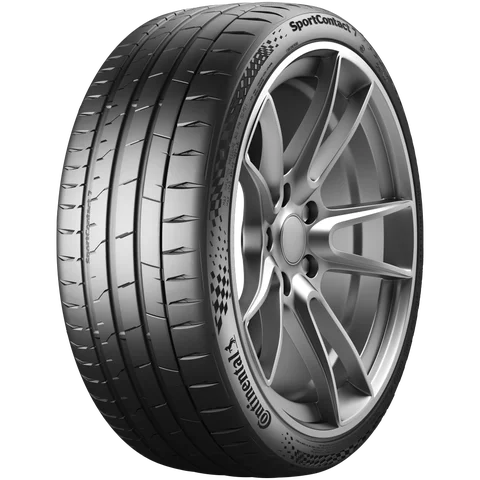
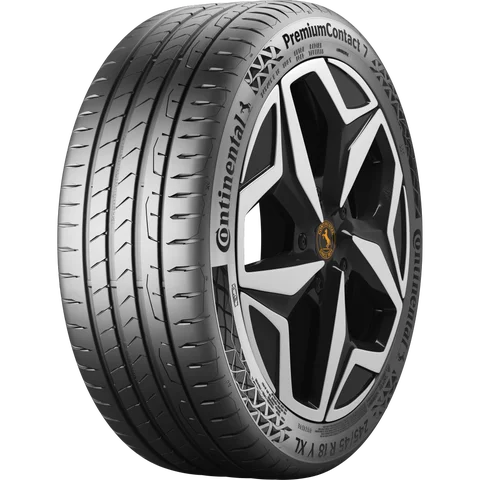
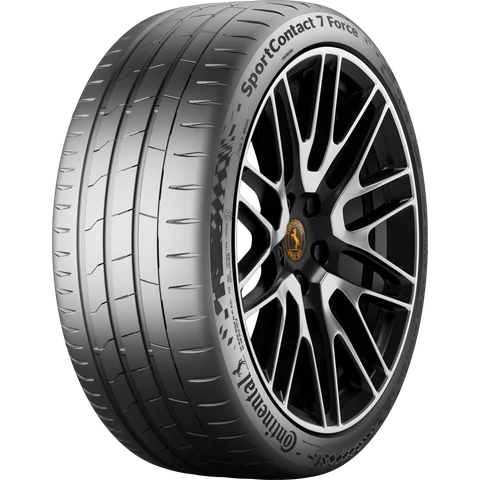
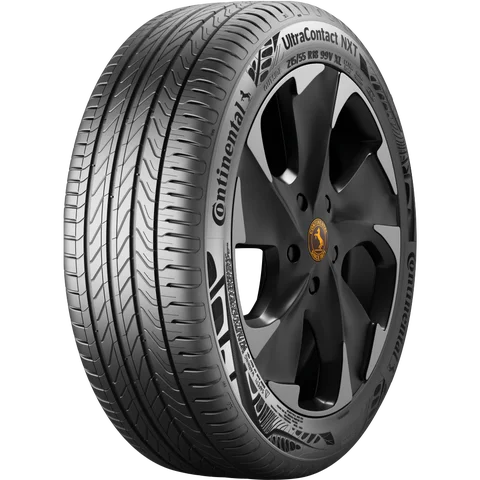
Since torque steer is often triggered by uneven traction between the front wheels, tire design and consistency play a major role in controlling it. Here are the best tires to minimize torque steer:
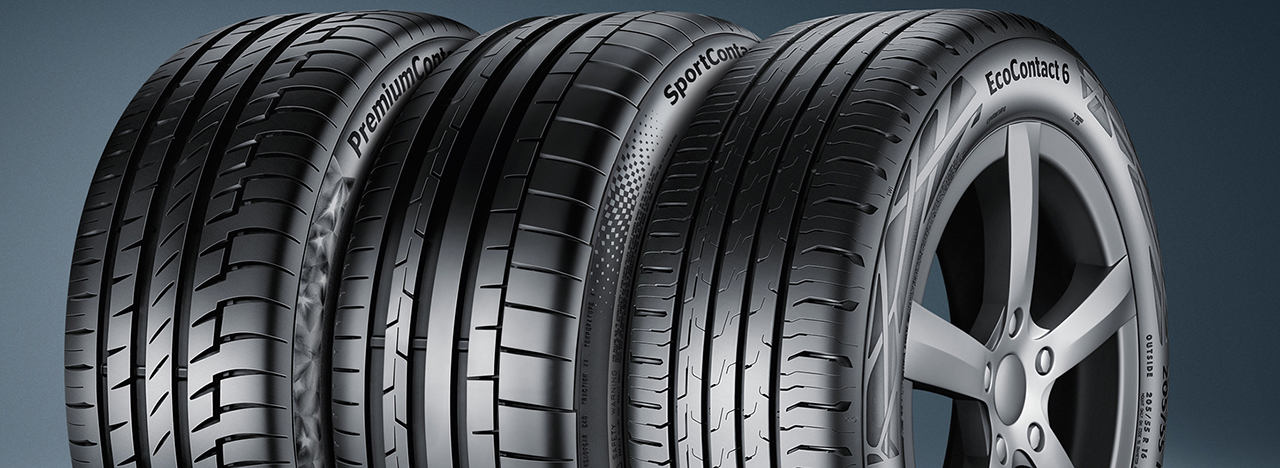
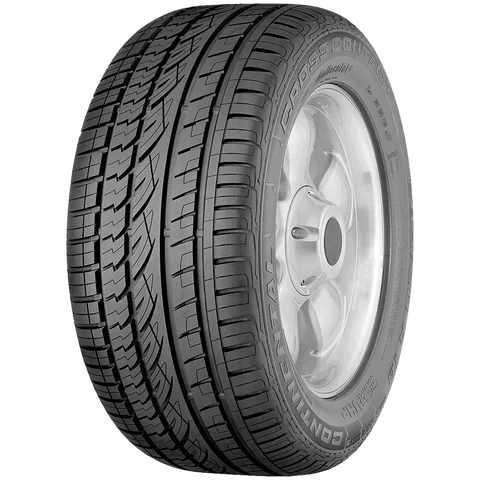
Performance summer tires use softer, high-grip rubber compounds and stiffer sidewalls. This combination helps the tire maintain a stable contact patch during hard acceleration, reducing flex and deformation that can lead to uneven wheel pull. Their consistent grip also ensures that both front wheels respond more evenly to torque, improving steering stability.
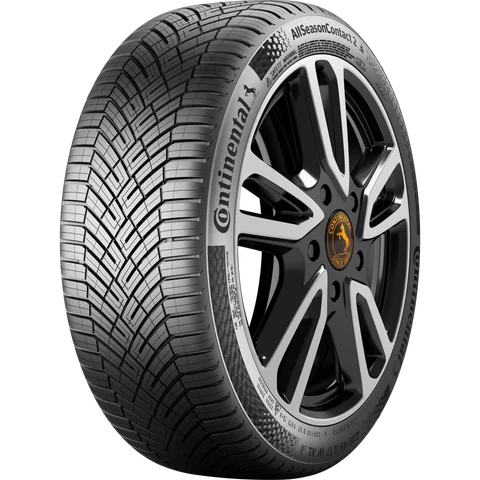
If you need year-round stability, all-season performance tires do the trick. They provide moderate-to-strong grip levels while maintaining better flexibility across different temperatures and road conditions. Although they aren't as rigid or high-grip as summer performance tires, they still maintain a relatively stable contact patch, which helps reduce sudden traction differences between the front wheels.
You can’t control the weather. But you can be prepared.
View details