Post-Use
We strongly believe that the circular economy is the future. This is why we are developing innovative methods to enable material to be recovered, recycled and re-used.
Read more


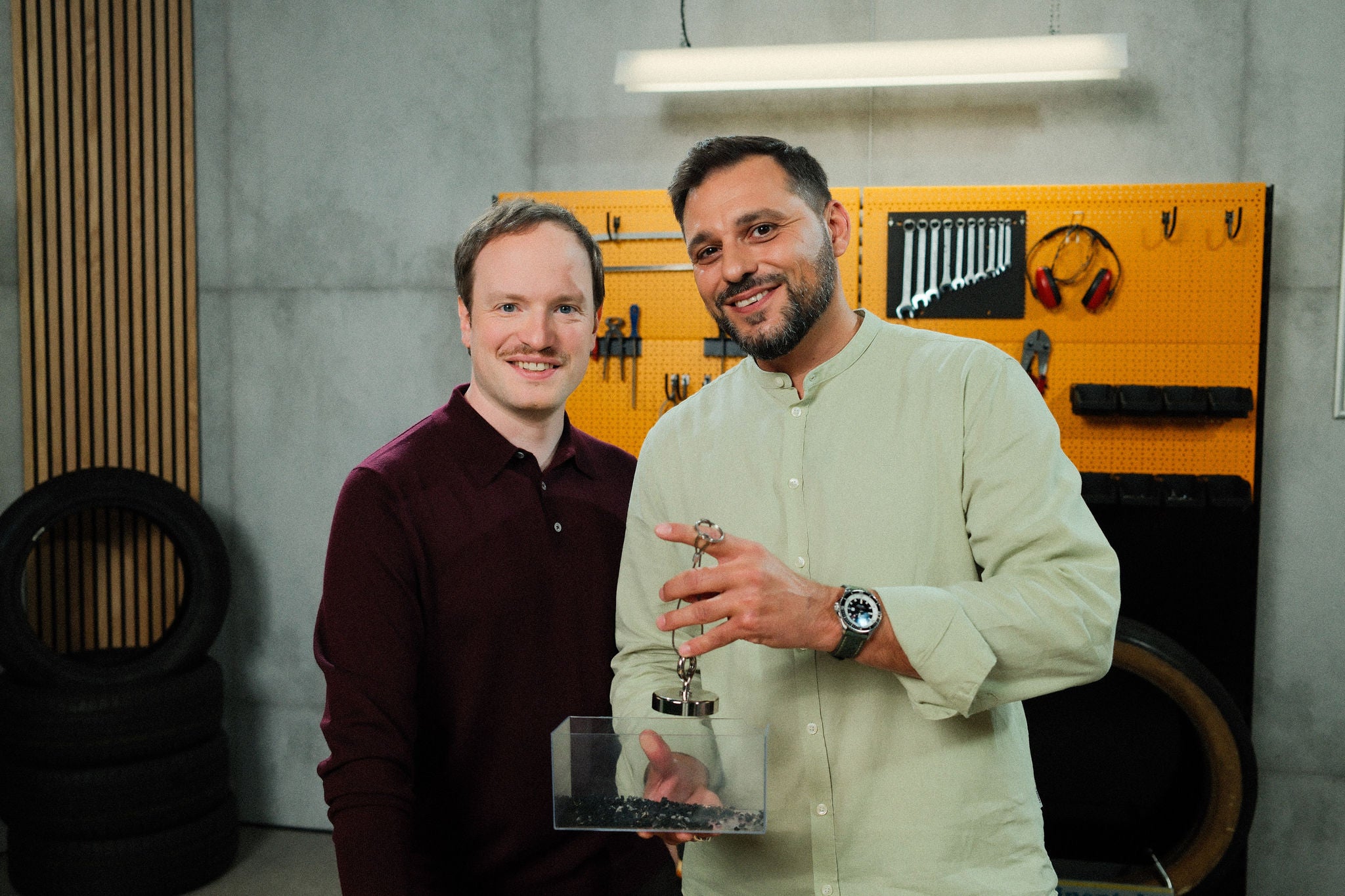
In Episode 7 of “The Continental Tires Garage,” Odisseos Kakionis, expert on tire recycling applications at Continental, explains why recycling end-of-life tires is so challenging and what solutions already exist today.
A tire is a sophisticated, safety-critical product made from a wide range of materials, including natural rubber, synthetic rubber, steel, textiles, silica and carbon black. Many of these components are bonded together through a process called vulcanization, during which heat and pressure are used to form stable chemical bonds between the different materials. This cross-linking is what gives tires their safety, durability and performance. At the same time, it is also the reason why recycling tires is so challenging.
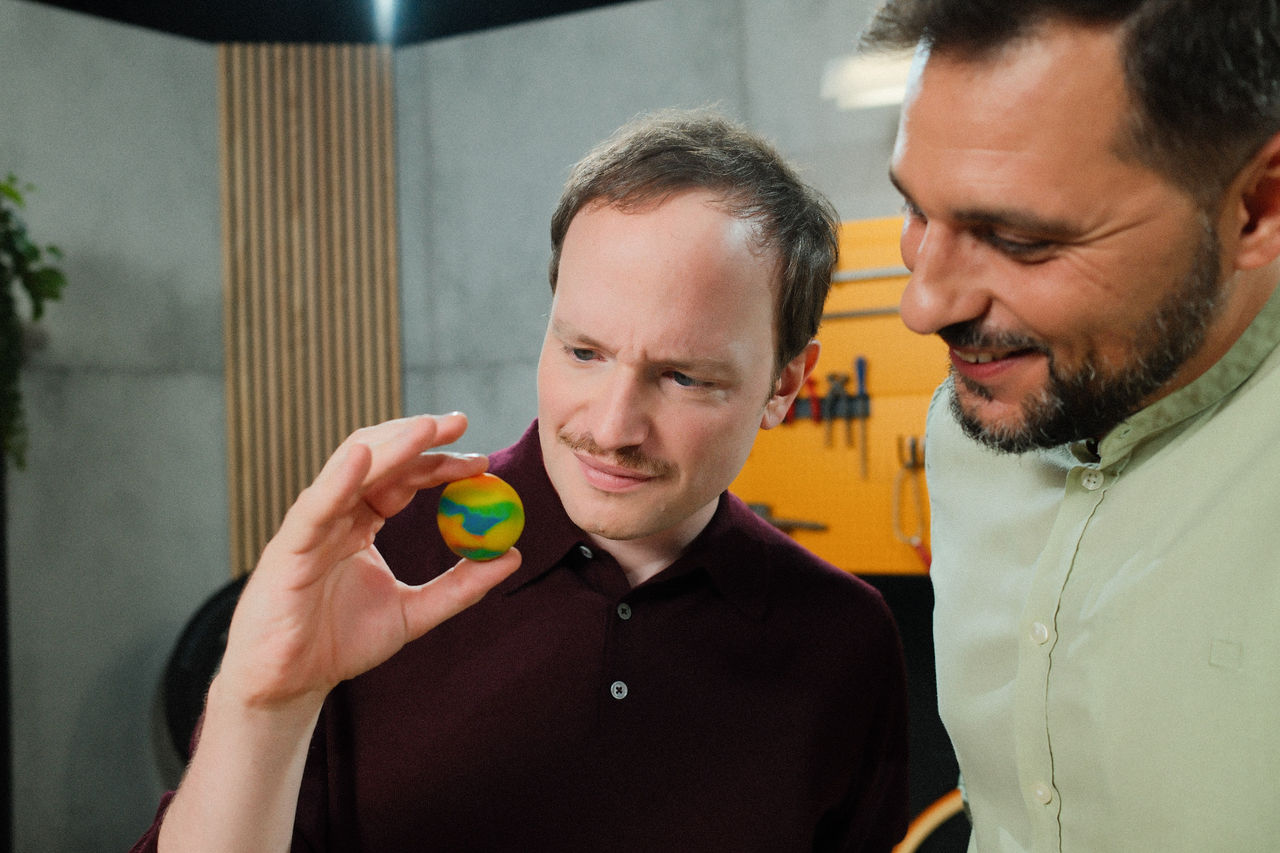
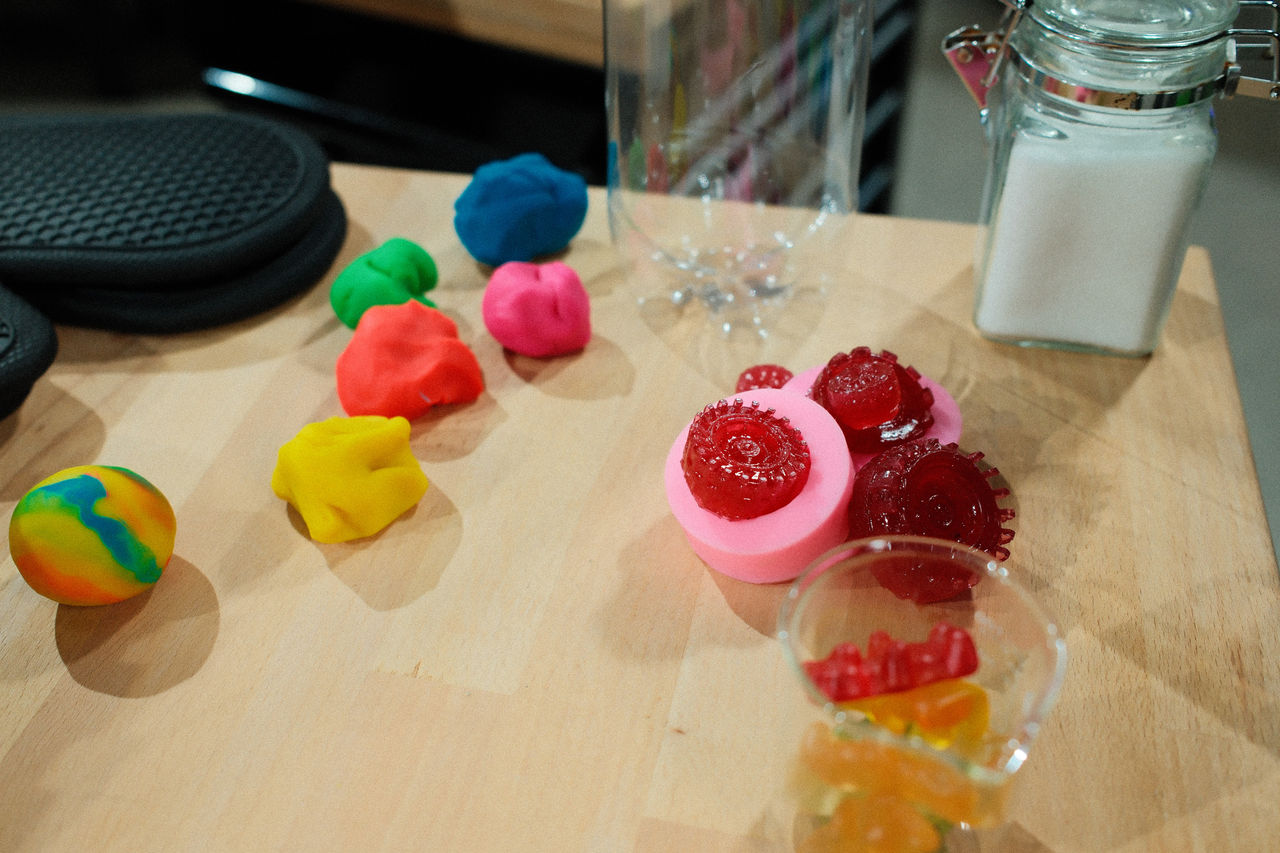
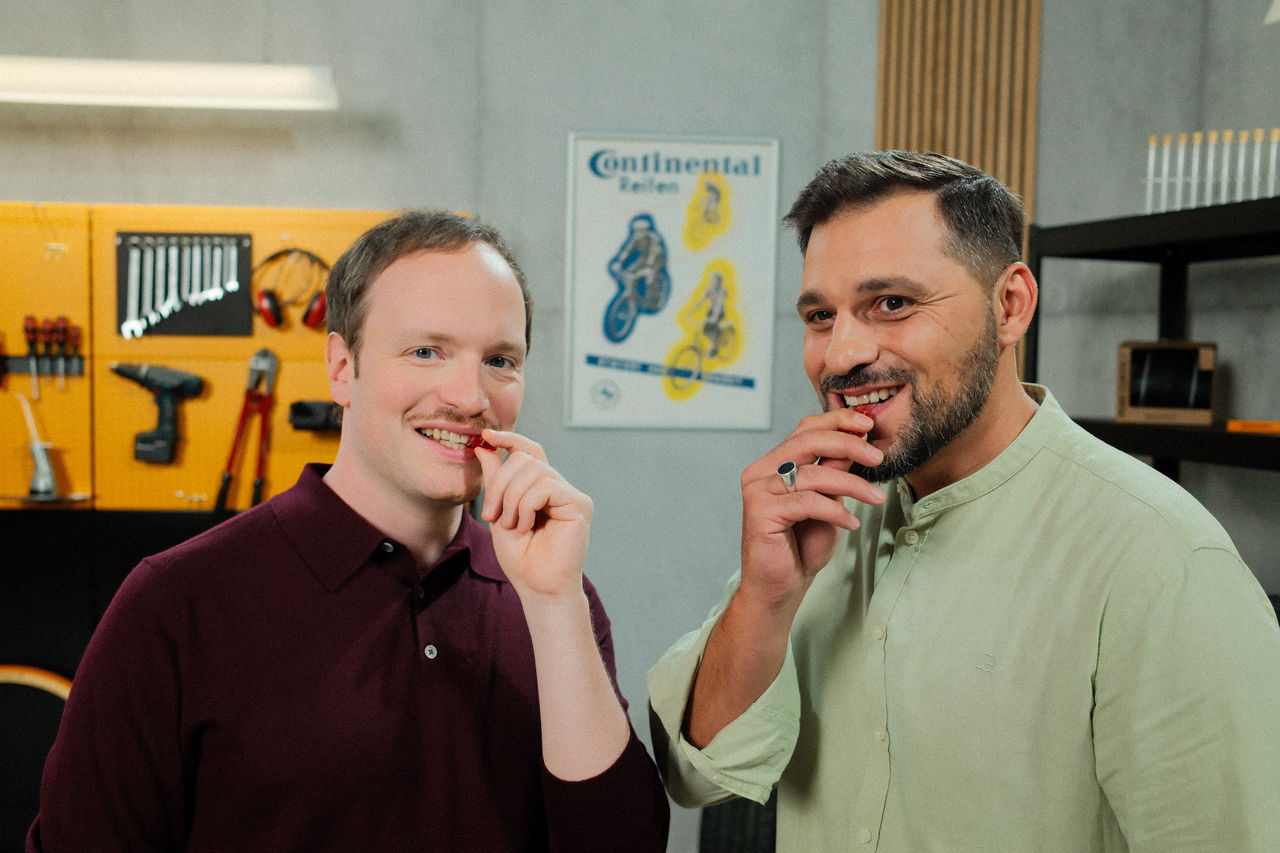
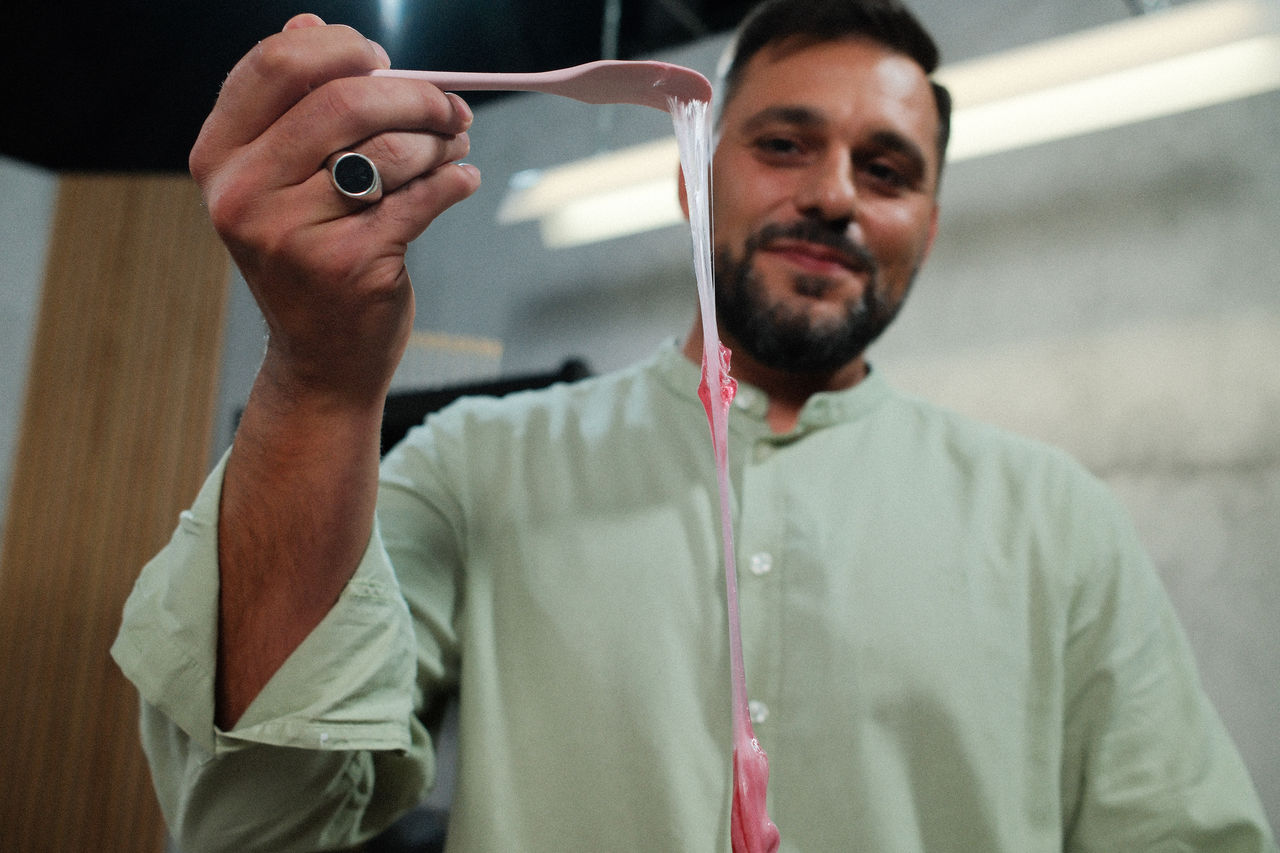
A simple analogy is colored modeling clay. When several colors are mixed together, it is virtually impossible to separate them again. The same applies to a tire. During vulcanization, the different components become linked and cannot easily be broken back down into their original materials. That is why Continental uses special recycling methods to recover valuable raw materials from end-of-life tires and keep them in circulation.
The recycling and recovery methods used for old tires depend on the region and the collection and recycling systems in place. Around the world, end-of-life tires are collected and processed through a variety of systems. At Continental, the materials contained in end-of-life tires are a valuable source of raw materials. Our goal is to recover as many of these materials as possible and keep them in the circular economy.
Today, mechanical recycling already enables the recovery of individual materials. During this process, end-of-life tires are shredded and separated into their different components. This makes materials such as rubber, steel and textiles accessible again. For example, the steel can be separated using magnets and then reused in steel production, including for the manufacture of new tires.
Chemical recycling processes, such as devulcanization, are used for the rubber components. This process reverses some of the chemical compounds that were formed during tire manufacturing, enabling us to recover rubber material, for example. Depending on its quality, intended application and specifications, this can be reprocessed and used in compounds for new tires.
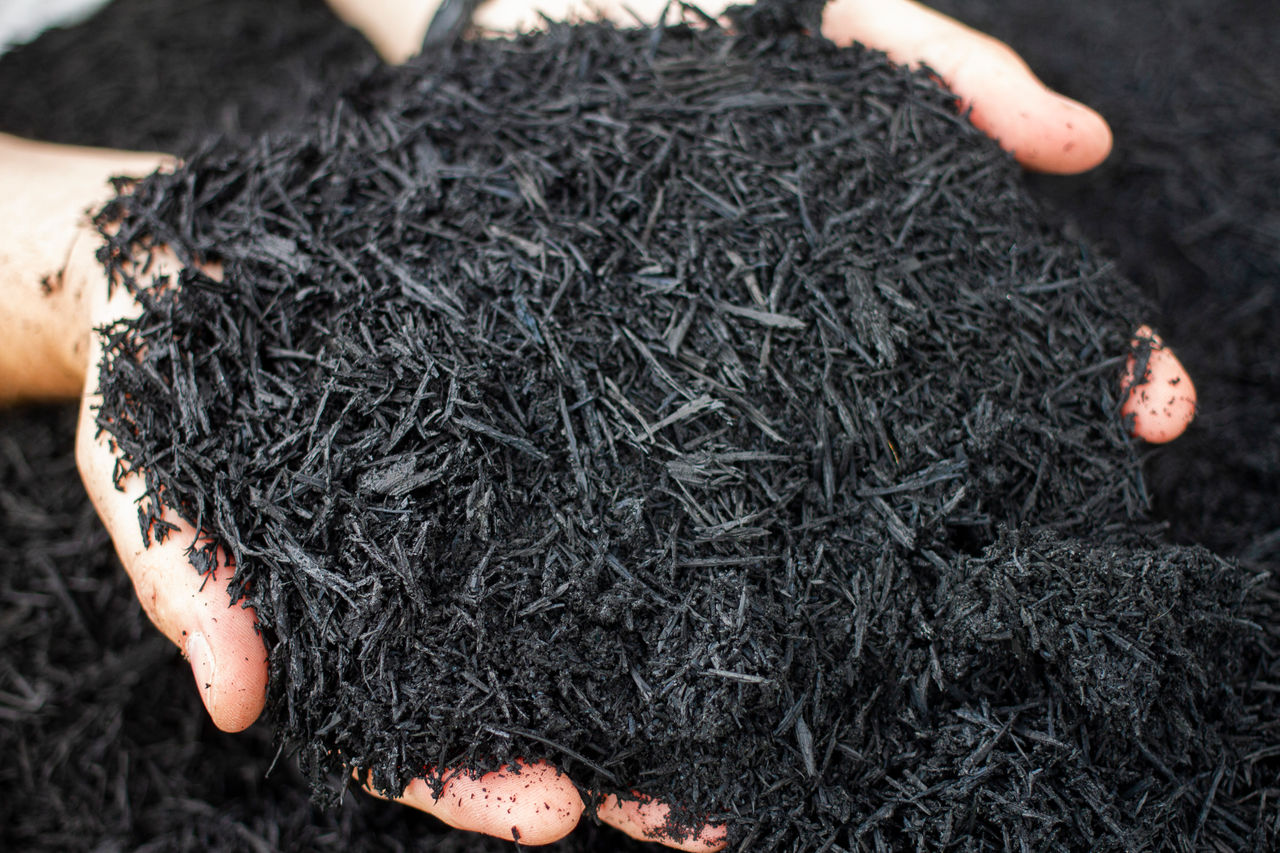
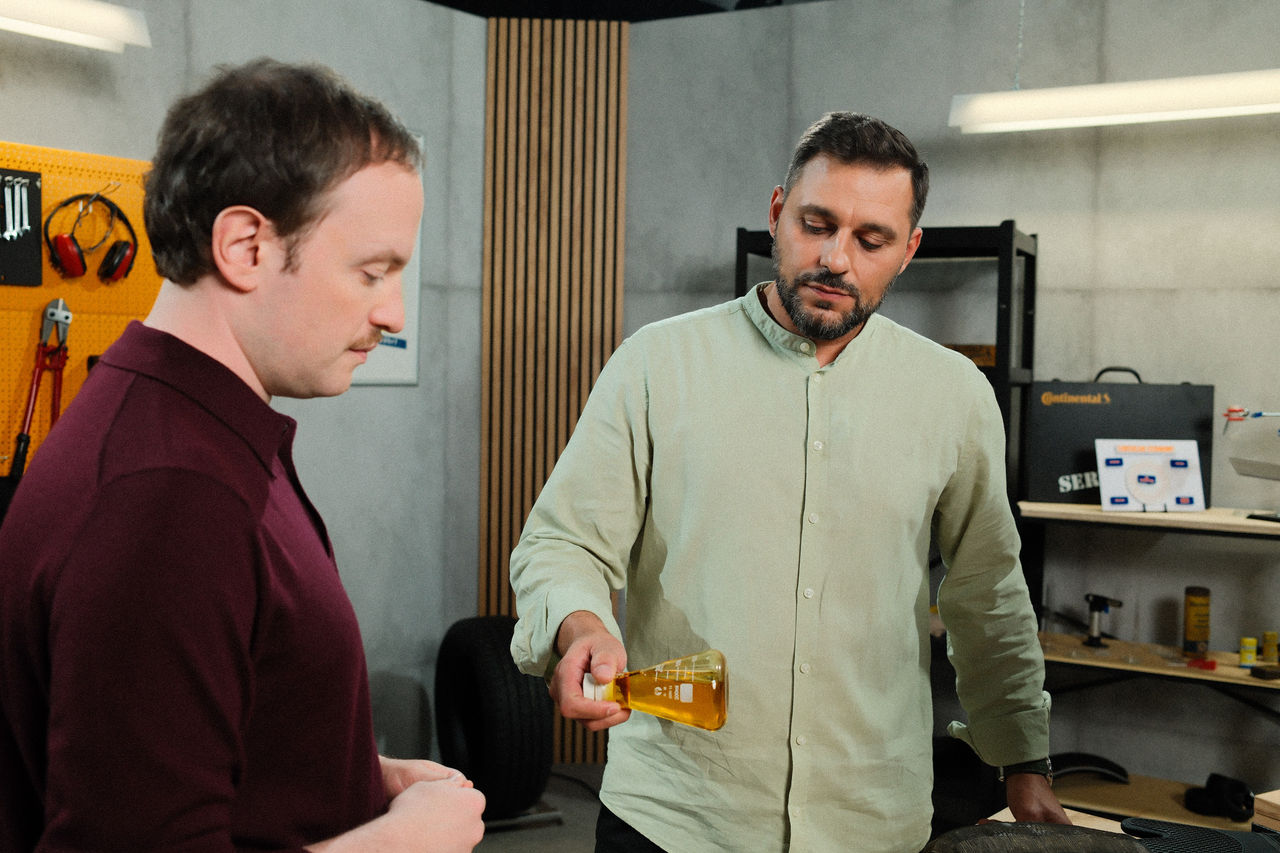
Another chemical recycling process is pyrolysis, which involves heating end-of-life tires in the absence of oxygen. This produces pyrolysis oil and recovered carbon black (rCB), both of which are important raw materials for tire manufacturing. Today, we already use recovered carbon black in forklift-truck tires and incorporate recovered rubber into the production of new tires.

A tire has to meet the highest standards for safety, mileage and performance. For this reason, recycled materials can only be used if they meet the same strict specifications as conventional raw materials. Although recycling technologies have made considerable progress, not all required materials are currently available from recycling processes in sufficient quantities and at the required quality levels.
Our ZEvRA concept tire demonstrates what is currently possible. As part of the EU-funded ZEvRA project (Zero Emission Electric Vehicles Enabled by Harmonized Circularity), Continental developed a concept tire made from around 43 percent recycled and recovered materials.
A functioning circular economy requires the collaboration of an entire ecosystem, including tire manufacturers, collection systems, recycling companies, pyrolysis plants and chemical suppliers. Reliable supplies of end-of-life tires, high-quality recovered materials and industrial-scale processes are also essential prerequisites.
Continental is working with partners to establish these conditions and is continuously evaluating newly recovered raw materials for use in tires. One principle remains non-negotiable for us: safety always comes first.