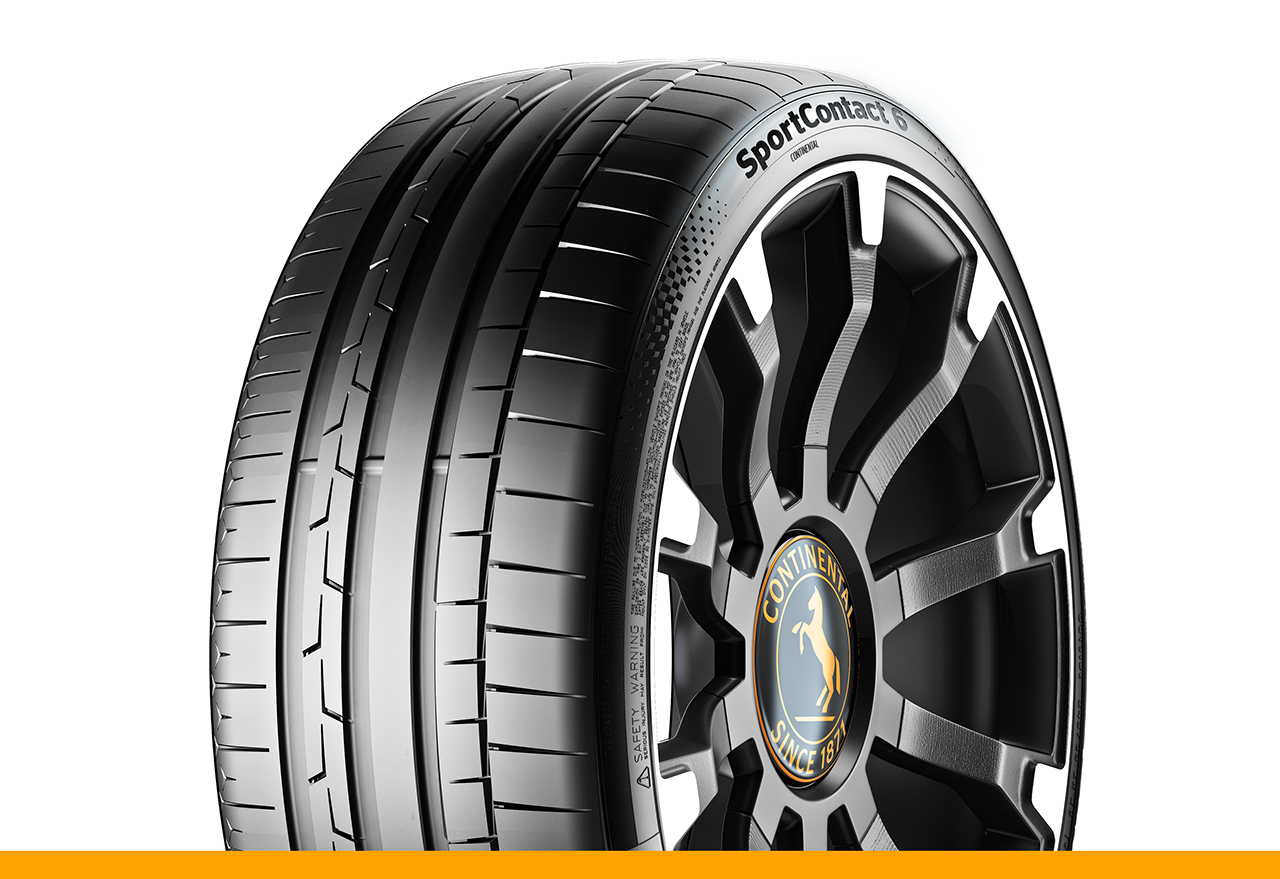
German Engineering meets French roads at the Tour de France
Learn about the Tour De France and Continental’s role in this legendary bicycle race!
Read more




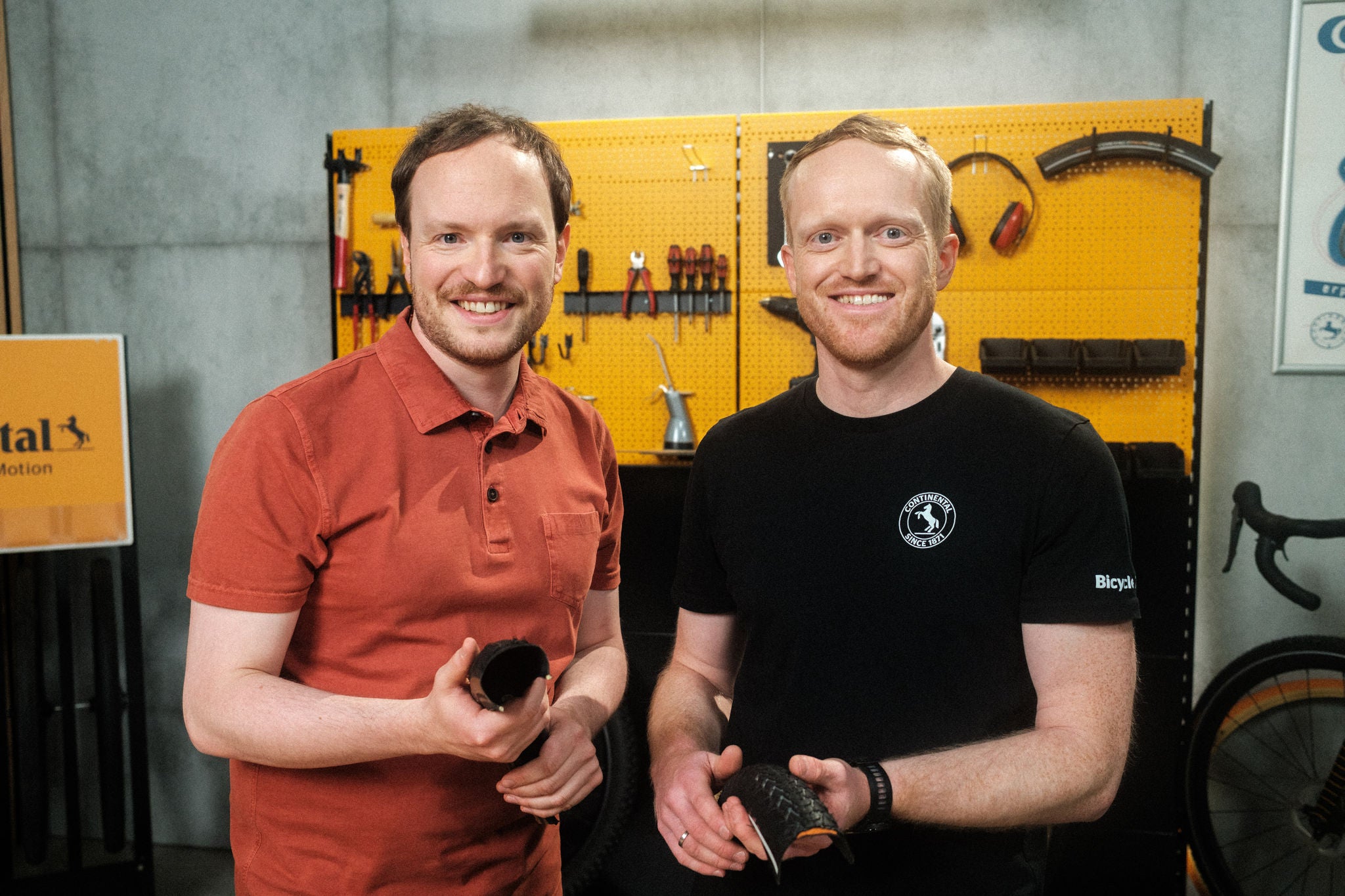
Oliver Vauth is a product manager for bicycle tires at Continental. In this interview, he explains why bicycle tires are more complex than people think, what is behind the BlackChili compound and when puncture protection really matters.
In 1892, Continental became the first German company to produce pneumatic bicycle tires – and cyclists were already racing on them back then. So the connection between Continental and cycling goes back more than 130 years. Technologies and expertise from our automotive and motorcycle tire businesses also flow directly into our bicycle tire development. This is a real advantage.
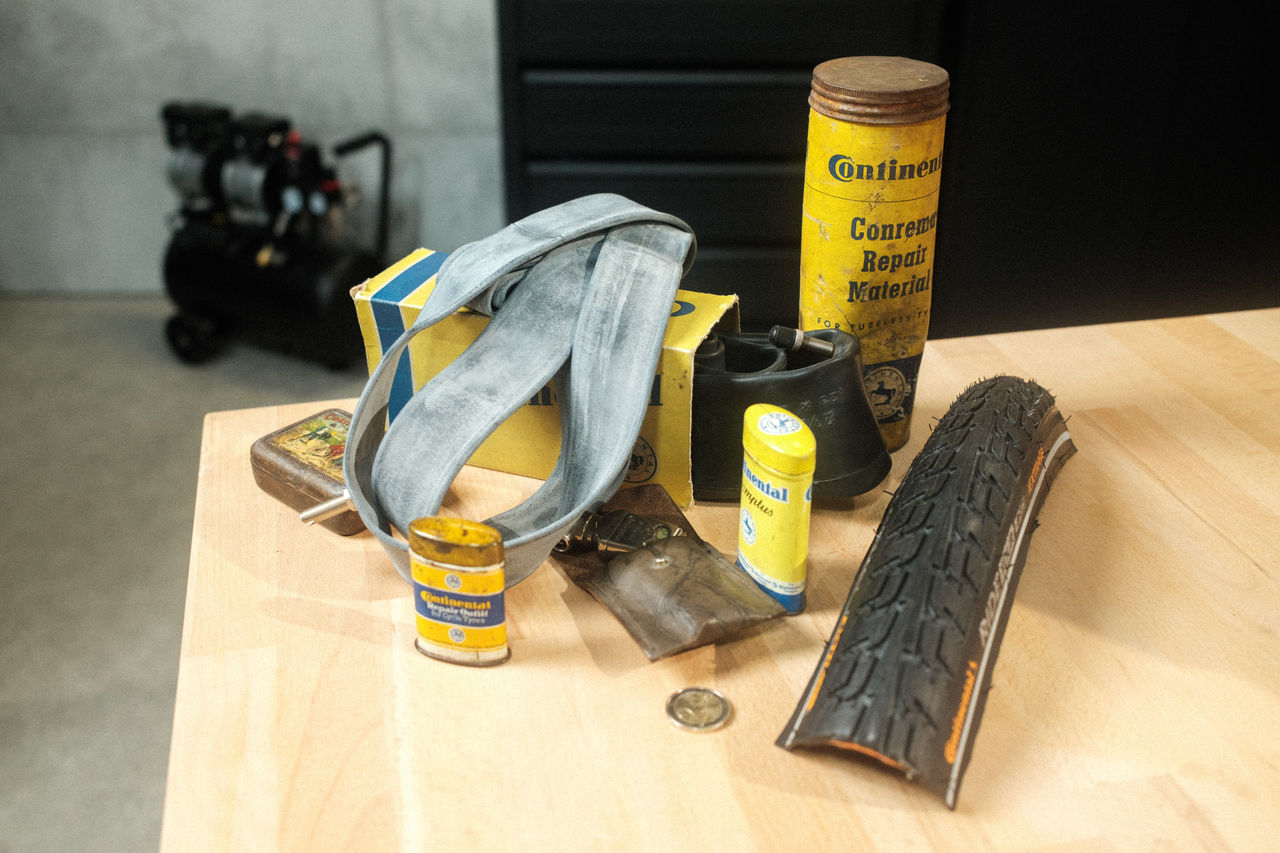
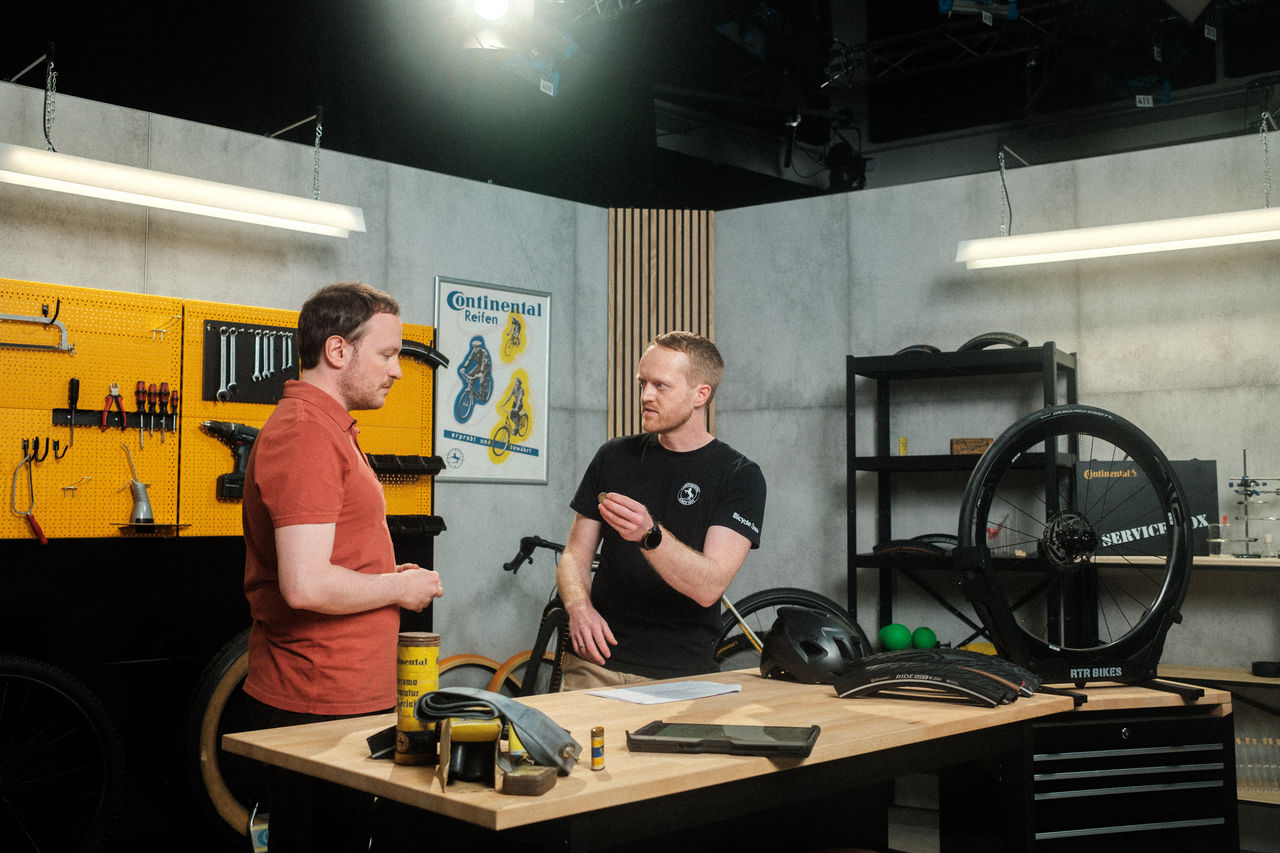
Tires play a key role on bicycles. Unlike cars, there is no body and far fewer systems that affect handling characteristics or absorb uneven road surfaces. At the same time, the contact area with the road is no larger than a two-euro coin. Grip, safety, ride comfort and rolling resistance are largely determined by the tires. That places high demands on the materials, construction and tread pattern.
The rubber compound is one of the most important factors influencing tire performance, as it largely determines grip, rolling resistance and durability, and is carefully tailored to the intended application. Soft compounds provide excellent grip, while harder compounds typically last longer. We address this trade-off with our BlackChili compound. It combines specially engineered carbon black particles with synthetic rubbers to optimize grip, rolling resistance and wear at the same time.
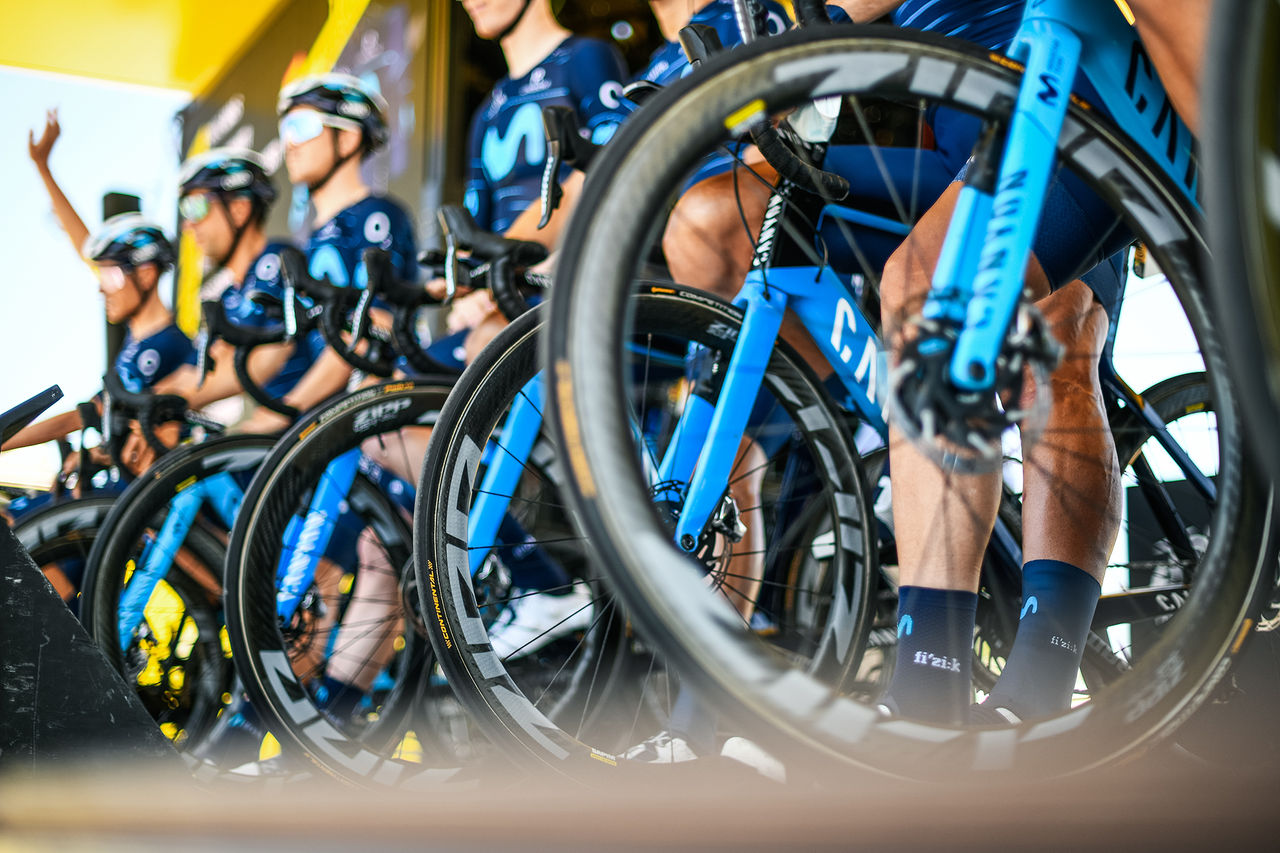
The fact that this technology performs at the highest level is demonstrated by multiple Tour de France champion Tadej Pogačar, who has raced on our Grand Prix 5000 TT TR during his victories.
Learn more about Continental at the Tour de France
Ultimately, it depends on how and where the bike is used. A daily commuter primarily needs a durable tire with strong puncture protection, while a mountain biker may require maximum grip on loose terrain and racers focus on minimizing weight and rolling resistance. That’s why we offer a broad product range – from robust city tires to high-performance tires. The key is ensuring that the compound, tread pattern and tire size match the rider’s individual needs and riding style. At the same time, everyday riders benefit from many technologies developed for professional racing. In fact, the same tires used in events such as the Tour de France are also available through regular retail channels.
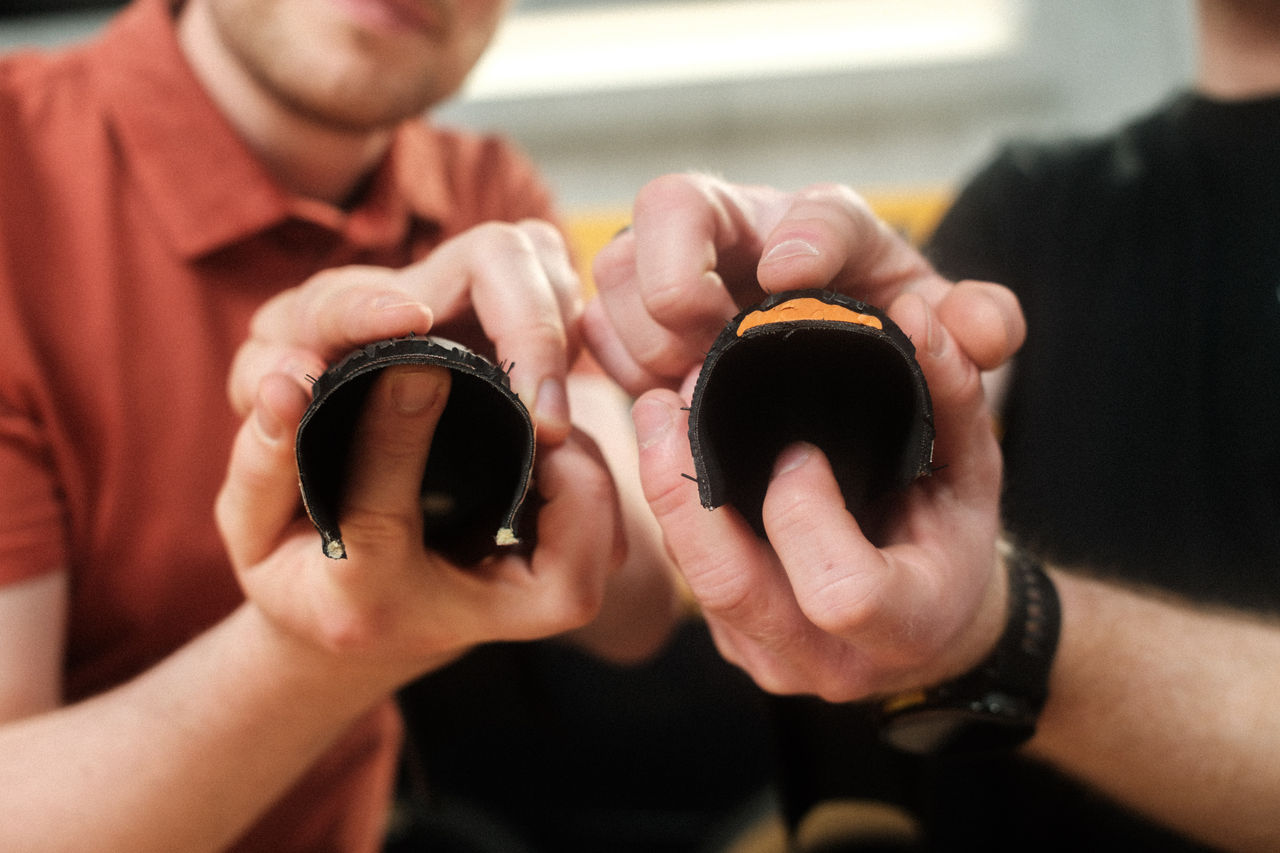
Rubber can only provide limited resistance against sharp or pointed objects. That’s why many of our tires include additional protective layers. These layers are flexible enough to preserve ride comfort while being strong enough to make it more difficult for foreign objects to penetrate the tire. While no tire can offer complete immunity from punctures, the risk can be significantly reduced.
That depends largely on where you ride. Most of our bicycle tires feature puncture protection, but the level of protection varies. Riders who regularly encounter broken glass or metal debris in urban environments need particularly robust protection. In rural areas or on trails, the challenges are different. Sharp rocks, branches and roots place different demands on a tire. That’s why mountain bike tires, for example, often feature particularly robust protection layers or specialized casing designs. The goal is always to match the level of puncture protection to the rider’s specific conditions.
.jpg/_jcr_content/renditions/cq5dam.web.1280.1280.jpeg)