Post-Use
Read more




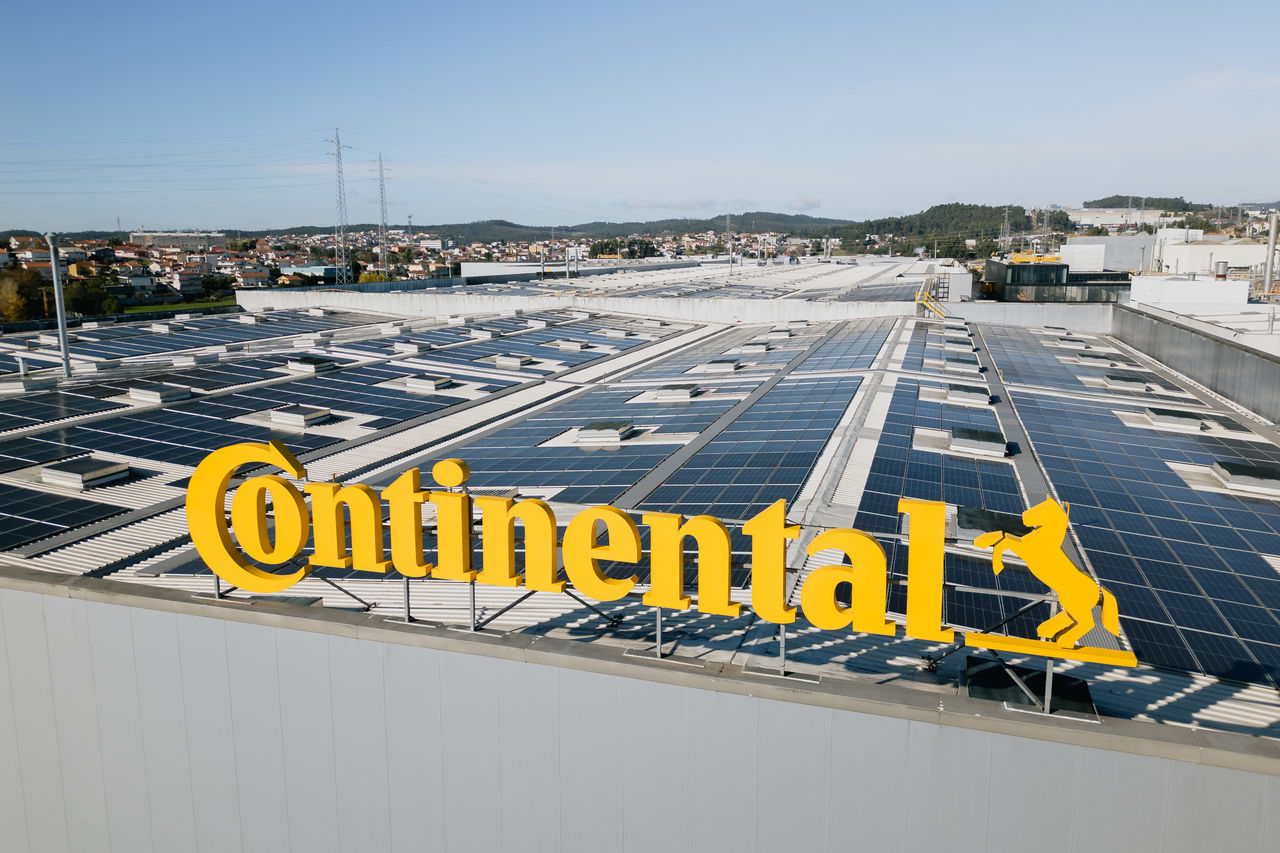
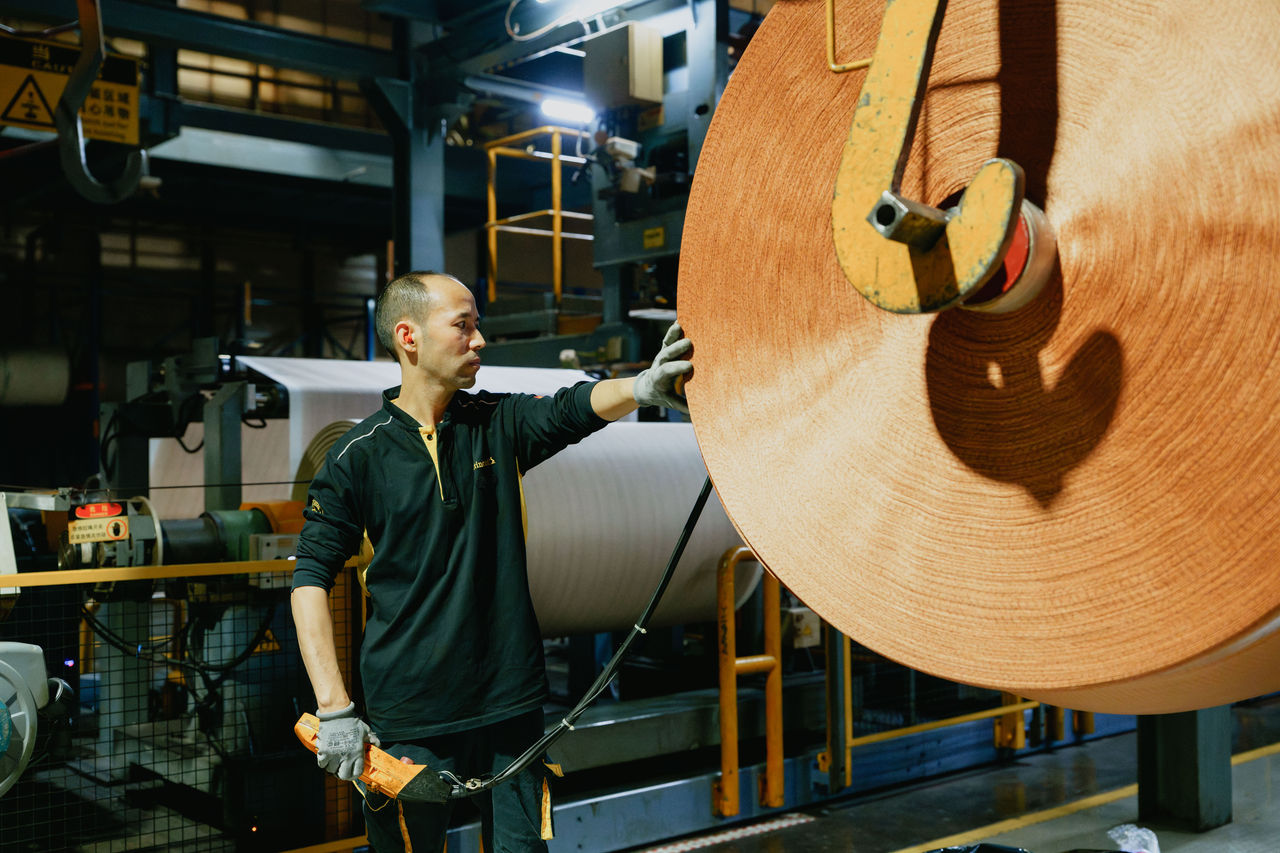
Tire manufacturing is energy-intensive, with vulcanization in particular requiring large amounts of heat. To address this, Continental is expanding its use of renewable energy, transitioning to an increasingly electrified and lower-emission heat supply and running ongoing efficiency projects at its plants.
Improving energy efficiency is one of the most effective ways to reduce CO2 emissions in tire production. Continental’s approach therefore combines three elements: lower energy and water consumption through more efficient processes, electricity from renewable sources, and a heat supply that is gradually moving away from fossil fuels. A look at specific figures, projects and sites shows how much progress has already been made and what steps lie ahead.
Continental is improving energy efficiency across its tire plants through a wide range of targeted projects. Between 2020 and 2025, Continental’s Tires group sector saved more than 400 GWh of energy across its plants worldwide. This has reduced not only the amount of energy required per metric ton of tires produced, but also the greenhouse gas emissions associated with energy generation.
The measures range from technical improvements to the digital optimization of processes. Typical examples include:
Continental consistently uses renewable energy sources to meet its electricity needs. Since 2020, all the electricity it purchases has come from renewable sources. To verify this, the company uses energy attribute certificates that meet the criteria of the international RE100 initiative. This provides transparent documentation that the electricity originates from renewable sources.
In addition, Continental’s Tires group sector is expanding its own power generation. Photovoltaic systems are in operation at locations across Asia and Europe, including Hefei (China), Rayong (Thailand), Lousado (Portugal), Petaling Jaya (Malaysia) and Modipuram (India), where they help meet local electricity demand.
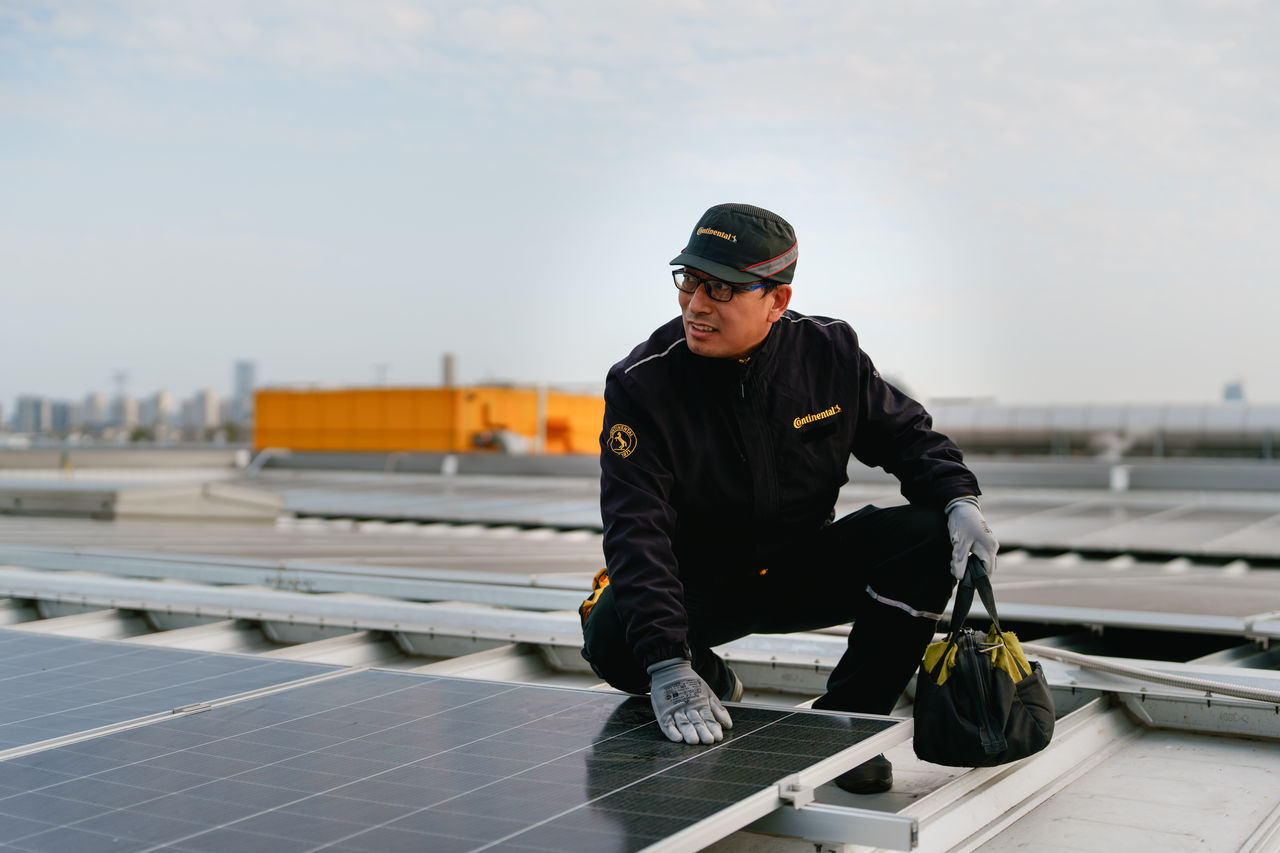
Another example is its Korbach plant in Germany, where Continental has begun construction of its first company-owned wind farm. Together with the site’s existing photovoltaic systems, the three wind turbines are expected to cover around two-thirds of the plant’s electricity demand and generate approximately 55 gigawatt-hours of electricity a year. Construction began in September 2026, with commissioning scheduled 18 months later. Continental sees the project as a blueprint for other locations worldwide where locally sourced, cost-competitive and reliably integrated renewable energy supplies can be established.
At some locations, electricity demand is also covered through long-term supply agreements with photovoltaic system operators, known as photovoltaic power purchase agreements (PPAs). This mix of on-site generation and long-term supply agreements secures Continental’s supply of renewable energy for the long term and reduces its exposure to short-term price volatility on electricity markets.
Tire production is energy-intensive because vulcanization requires large amounts of heat. Since 2020, Continental has been modernizing its heat supply with the clear goal of reducing its reliance on fossil fuels and expanding electrified and biomass-based solutions.
Since early 2026, none of Continental’s tire production sites worldwide have used coal or heavy fuel oil to generate steam. Instead, the plants now employ a diversified energy mix comprising biomass, biogas and renewable electricity, supplemented by liquefied petroleum gas (LPG) and natural gas to ensure a reliable energy supply.
The greatest opportunities for reducing heat demand lie in vulcanization (curing) and the heating of buildings. For vulcanization, we are focusing on the electrification of key processes through technologies such as electric boilers (e-boilers) and electric curing (e-curing). One example is the Lousado plant in Portugal, where an e-boiler can generate steam with particularly low CO2 emissions by using both self-generated solar power and renewable electricity from the grid. In recognition of this achievement, the project received the “Environmental Achievement of the Year – Manufacturing” award at the 2025 Tire Technology International Awards.
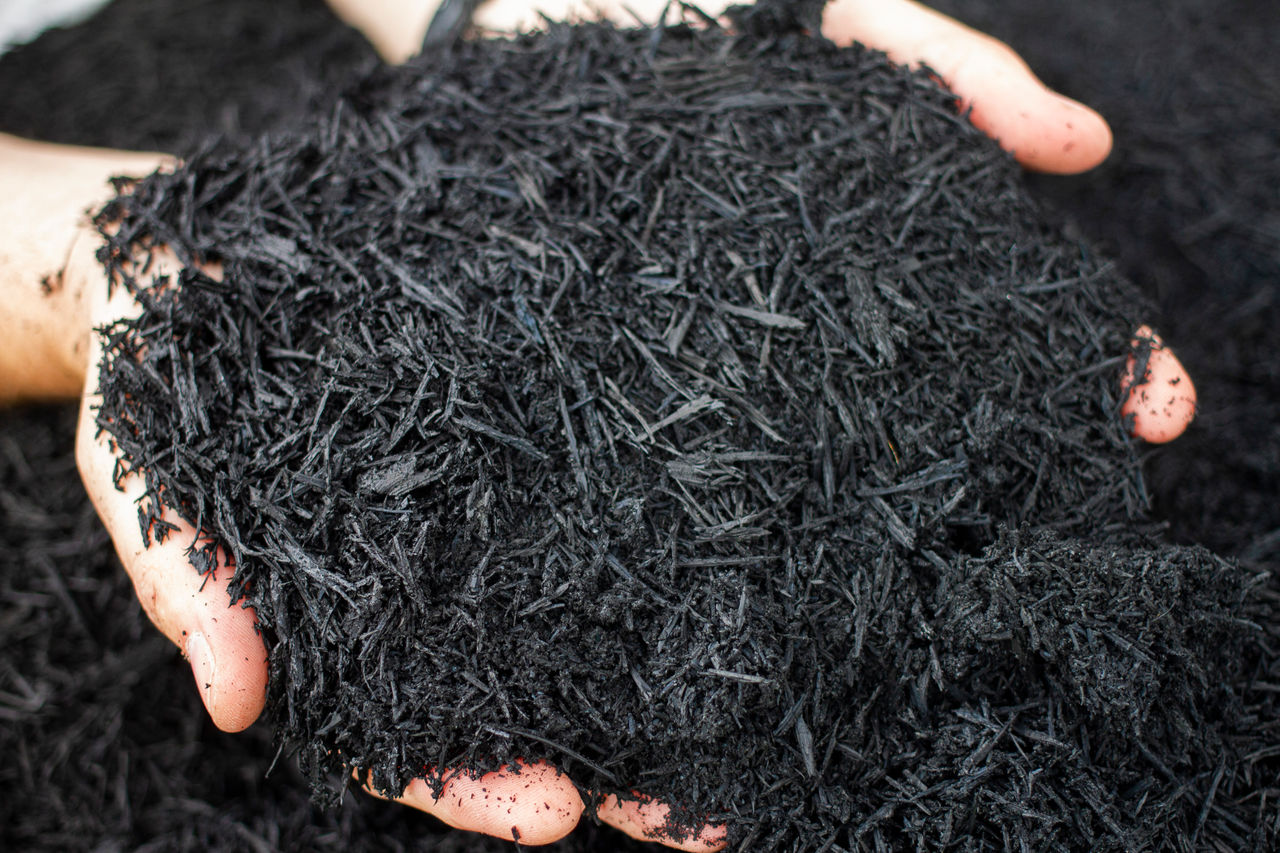
Continental primarily relies on heat pumps to heat its buildings. Biomass-based steam generation and district heating are also used at suitable locations.
In recent years, Continental has reduced absolute emissions from tire production by switching to lower-emission energy sources. At the same time, the greenhouse gas intensity of production (measured in metric tons of CO2 equivalent (tCO2e) per metric ton of production) fell by more than 10 percent in 2025 compared with the previous year and by around 70 percent compared with the 2019 baseline year.
This progress has been recognized externally. For 2025, the independent organization CDP awarded Continental an A- rating for climate transparency and CO2 reduction initiatives.
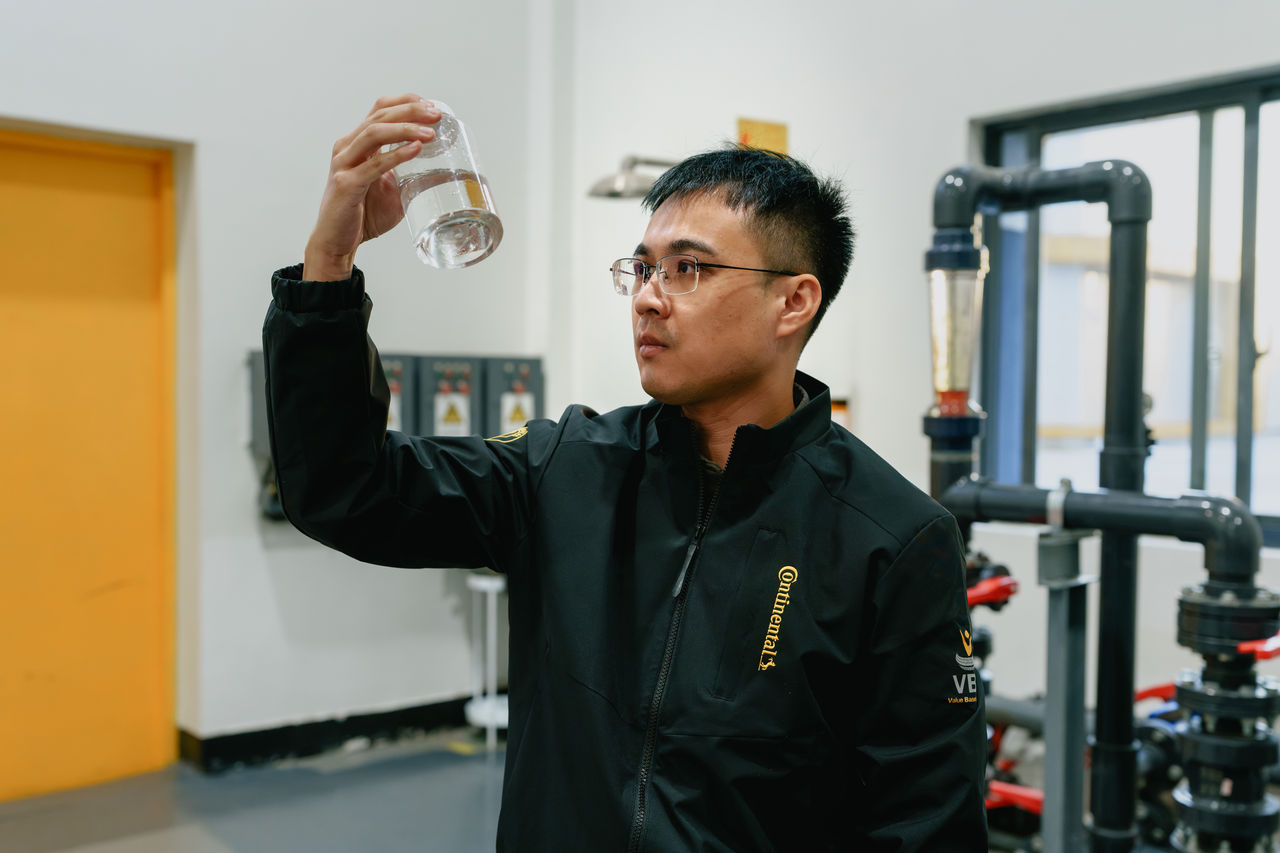
Water is used throughout tire manufacturing in various forms for heating, cooling and cleaning processes, as well as for employees’ everyday needs. Continental is steadily reducing water consumption per metric ton of product at its production sites. This is made possible by risk analyses, water audits, and advanced filtration and membrane technologies. Some of these technologies enable 90% of treated wastewater to be recycled and reused. For water management, Continental achieved a B rating in the latest CDP assessment.
Efficient water management depends on optimizing every step of the process. Cooling water and steam are reused multiple times, online leak detection prevents unnecessary losses, and steam condensate is systematically recovered. Switching to reverse osmosis and replacing inefficient filters further improve water treatment at Continental’s plants. Water and energy efficiency are closely connected: heating less water automatically saves energy.