Continental Tires
Read more




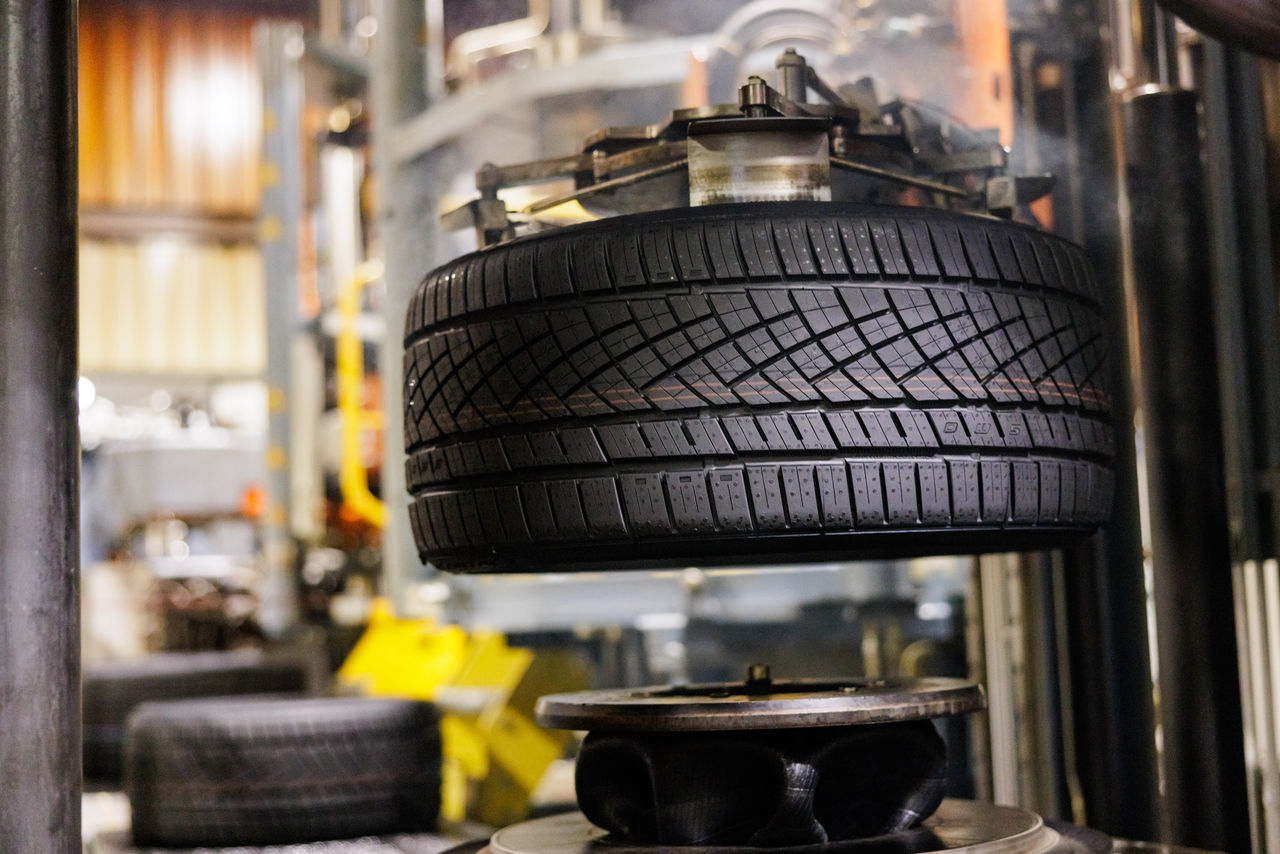
From natural rubber to ultra-high-performance tires: at Continental, we combine cutting-edge technology with innovative production practices. Whether you are looking for information on Continental tire factories, how tires are made or the role of natural rubber, this section offers an overview of our manufacturing processes and locations. Discover why Continental is a trusted brand in tire innovation.
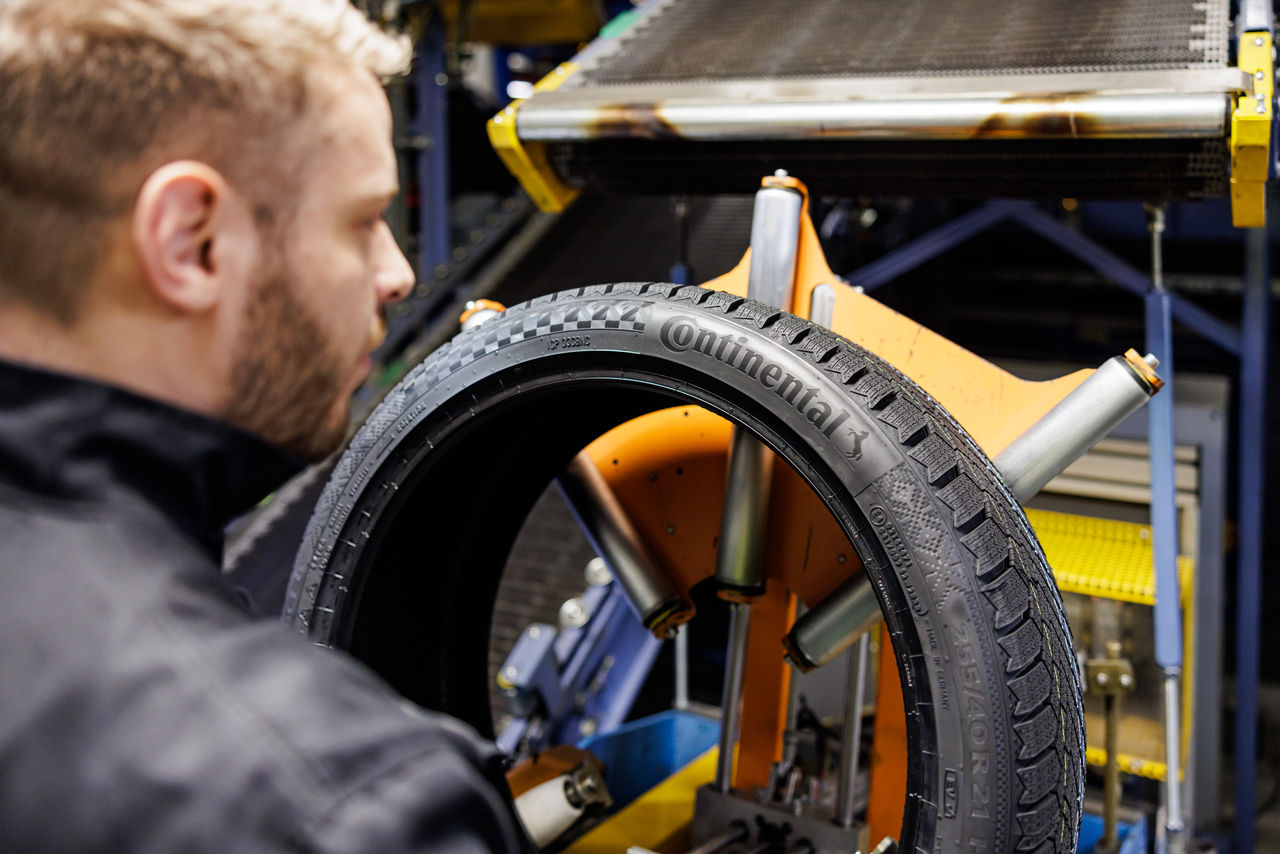
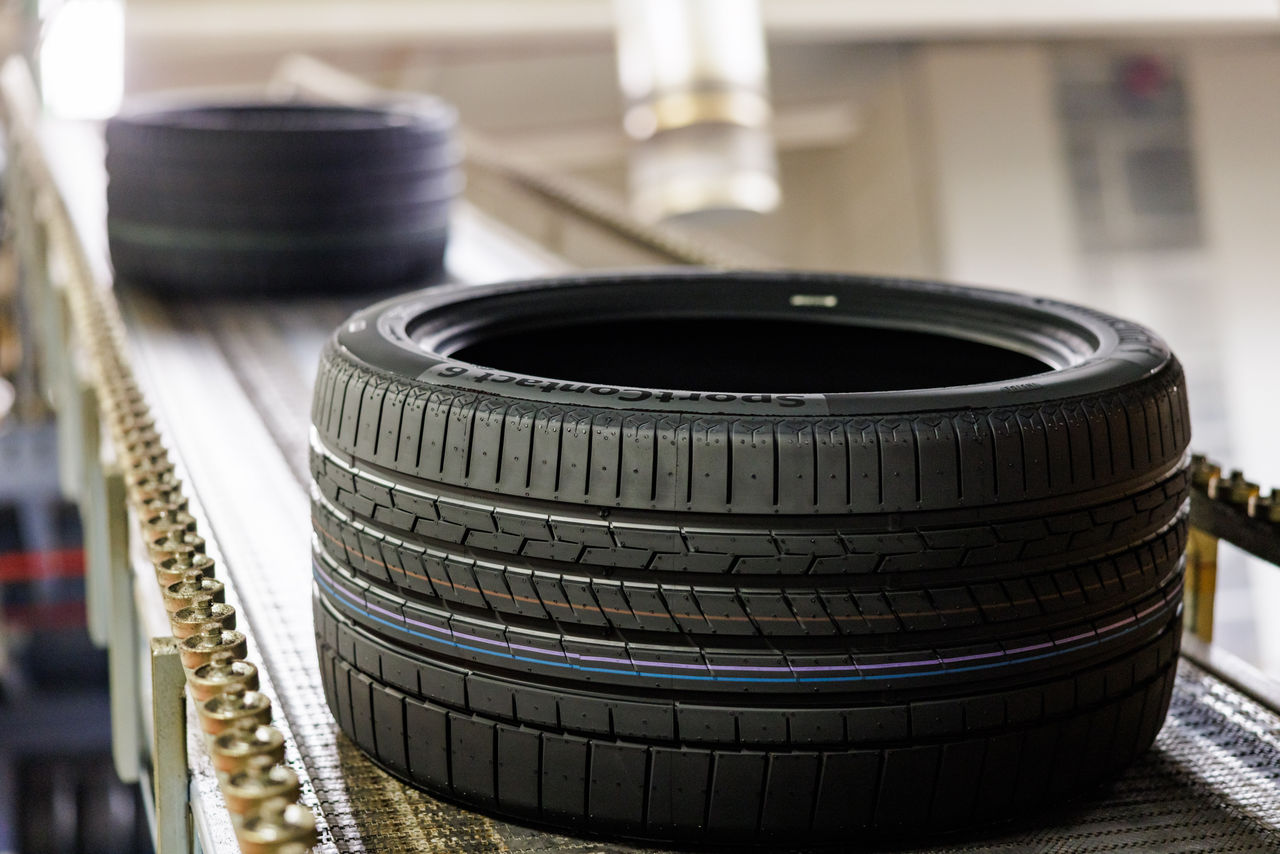
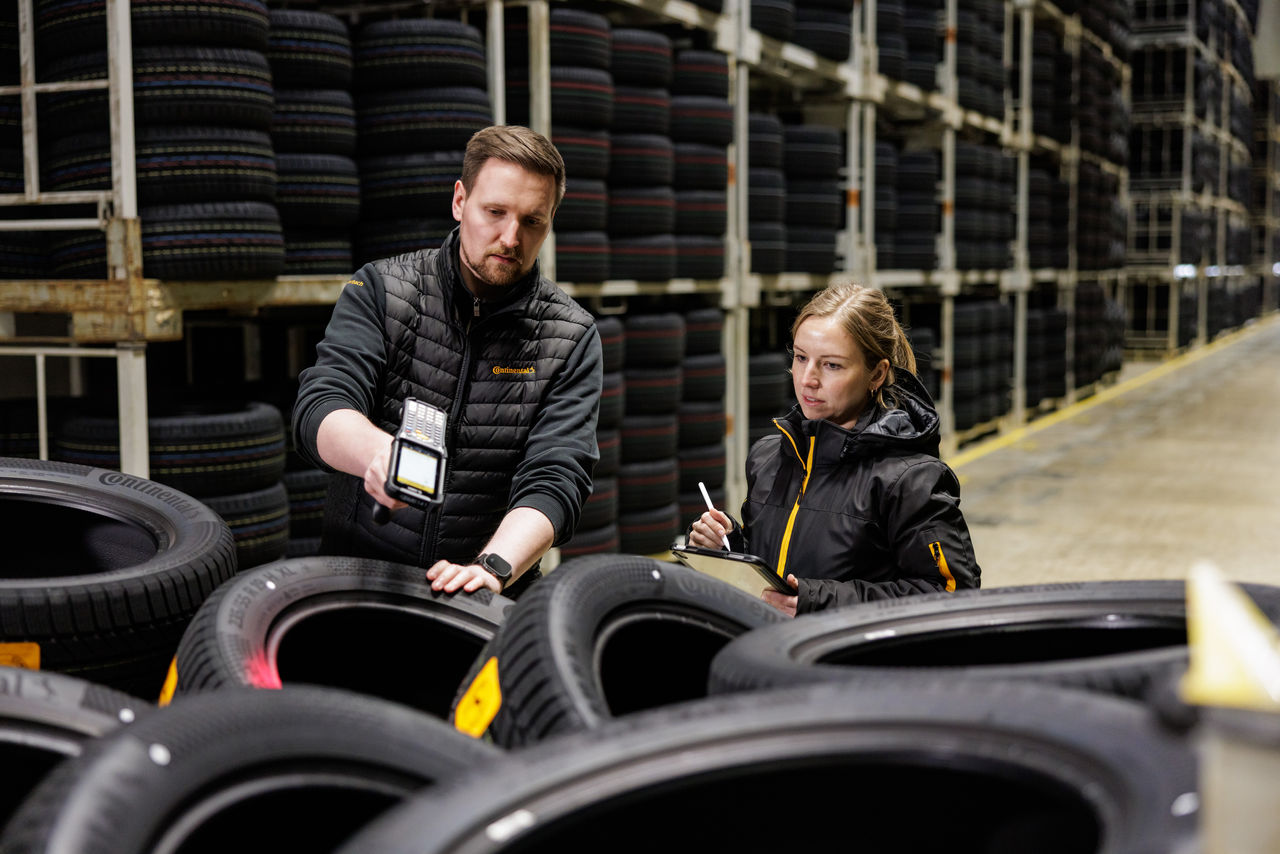
Continental has been delivering top performance for more than 150 years and is one of the world’s largest tire manufacturers. For us, tire manufacturing is more than just production: it is about precision, innovation and sustainability. With our modern tire factories across the globe, we ensure that every tire meets the highest standards.
Curious about where Continental tires are made or the manufacturing processes behind them? Discover how our global footprint supports mobility worldwide.
German engineering with global expertise and a local presence: with a network of tire factories and production sites across multiple regions, we ensure consistent quality and innovation. From passenger cars and two-wheelers to commercial fleets, our locations are optimized to meet local needs while maintaining premium standards.
As a leading tire manufacturer, Continental produces tires at 19 locations in 16 countries.
 * as of January 2026
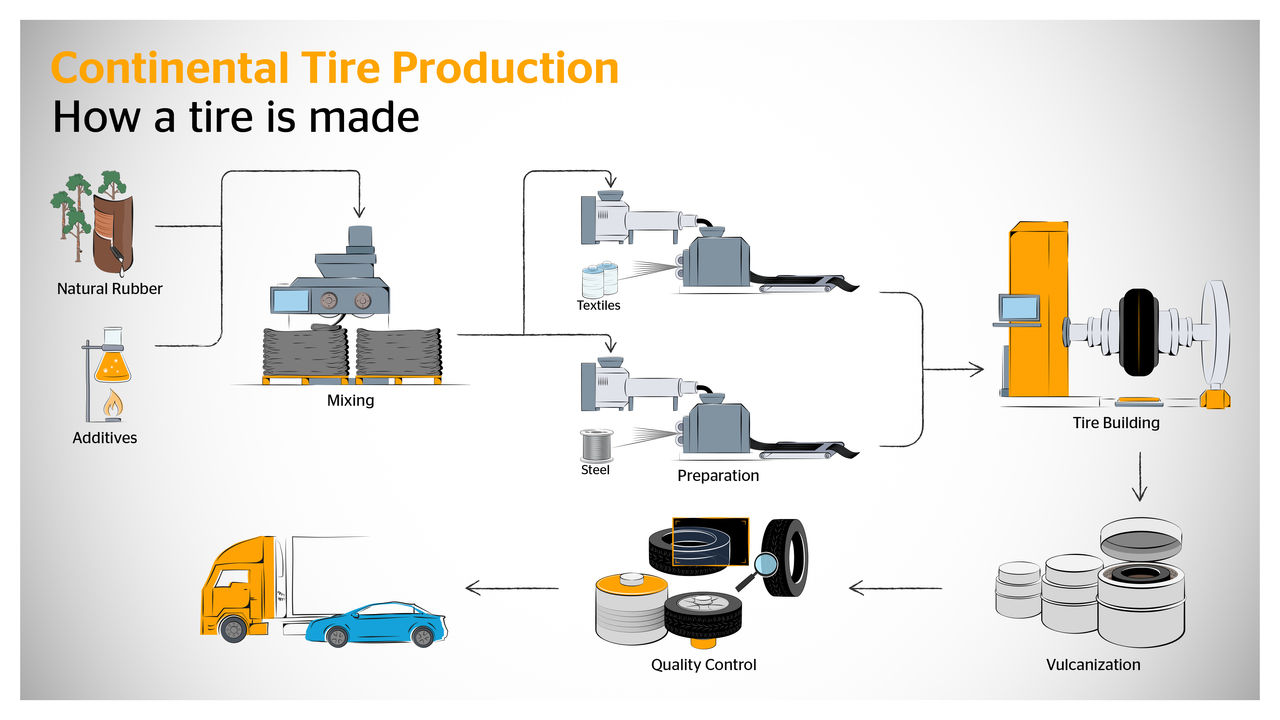
A tire is a complex product made from many components. A modern car tire typically consists of 25 components and 12 different rubber compounds. But how do we get from a rubber tree to a finished tire on the road? Tire production is a multi-step process.
Learn more in our Tire Knowledge.
We exclusively use materials of the highest quality and set high standards – to ensure your driving safety at all times.
Continental Tires has been setting global standards in safety, comfort and performance since 1871. Explore how our global team transforms mobility through innovation: German Engineering spread into the world.
At Continental, research and development never stop. With over 2,000 R&D employees around the world, we push the boundaries of tire technology – creating smarter, safer and more sustainable solutions for every journey.
Short braking distances on wet and dry roads, low rolling noise, reduced rolling resistance and long service life – all of these properties are essential for a high-quality tire. To ensure these qualities, every Continental tire undergoes extensive testing during development and quality control.
Each year, we cover around 25 million test kilometers with new tire models. That is the equivalent of circling the Earth 625 times. Alongside physical testing, we use advanced simulation technology.
Virtual tire testing in simulators as well as computer simulations allow engineers to model tire behavior under various conditions before building prototypes. This approach accelerates development cycles and reduces material waste. In 2024, Continental conducted more digital tire simulations and virtual calculations than physical tests for the first time. This saves us an average of 400 km in real-world test driving per test program. Combined with on-track testing and autonomous systems like the Automated Indoor Braking Analyzer (AIBA), virtual simulations help us to further optimize tire performance.
Continental is advancing its tire production by integrating autonomous mobile robots (AMRs) into its global manufacturing facilities. Since March 2025, seven self-driving robots have been transporting tires within the ContiLifeCycle plant in Hanover-Stöcken. These robots use advanced sensors and AI-powered navigation to move efficiently between different production stations, relieving employees of heavy manual labor. Connected to the digital order system, the robots coordinate tasks and contribute to a safer and more ergonomic work environment. Similar automation solutions are already in place at other Continental plants worldwide, demonstrating the company’s commitment to smart manufacturing. This shift marks a major step toward Industry 4.0 in tire production.
Learn more about how Continental optimizes tire production with Autonomous Robots.
Our research and development experts work daily to enhance our products. We develop technologies and solutions that optimize tire production along the entire value chain – from sourcing renewable and recycled materials to recycling end-of-life tires. By using materials like recycled PET bottles in ContiRe.Tex technology and silica from rice husks, we are increasing the share of renewable and recycled raw materials in our tires. Every material, whether conventional, renewable or recycled, undergoes rigorous testing to ensure safety, performance and efficiency.
.jpg/_jcr_content/renditions/cq5dam.web.1280.1280.jpeg)