Operations
Read more




We at Continental are continuously increase the proportion of more renewable and recycled materials in our tires. Our goal is to increase the share of recycled and renewable production materials for our tires to at least 40 percent by 2030.
To gradually increase the share of renewable and recycled raw materials in our products, we use among other things the internationally recognized mass balance approach. In the mass balance, renewable and recycled raw materials are mixed with fossil materials in existing production processes. The respective material quantities are documented and transparently reported.
This enables us to quantify the share of renewable and recycled materials in our production process at any time throughout the entire supply chain and to mathematically allocate this share to different end products.
The process is certified by internationally recognized organizations which verify our documentation processes and the complete traceability of the materials from more sustainable sources.
The International Sustainability and Carbon Certification (ISCC) was established in 2010 as part of a multi-stakeholder initiative and is a globally applicable and leading certification system aimed at promoting a traceable, sustainable, deforestation-free and climate-friendly supply chain. ISCC certifications are widely recognized and encompass sustainable agricultural biomass, biogenic waste and residues, non-biological renewable materials, and recycled carbon-based materials. The development and implementation of various certification standards is ISCC's tool for furthering its mission to mitigate climate change and bring greater traceability to global markets and supply chains.
ISCC PLUS enables us to tackle the transition to a circular economy and a sustainable bioeconomy
Jorge Almeida, Head of Sustainability at Continental

And we are already doing this today: With the UltraContact NXT, Continental became the first manufacturer to launch a production tire using mass balance-certified materials. These include synthetic rubber made from bio-based and bio-circular raw materials, as well as carbon black that is partially produced from (bio-)circular oil. In the production of synthetic rubber, we already replace part of the petroleum-based butadiene with sustainable alternatives. Tire pyrolysis also plays an important role: the recovered oil is already being used for carbon black production. Examples such as the UltraContact NXT and the Urban HA NXT for buses demonstrate how we are implementing these technologies in series products today.
For more information about this tire, please refer to our press release or the product section.
Our goal is to gradually extend this approach to all tire plants worldwide. The globally recognized certification confirms compliance with strict sustainability standards and ensures full transparency in the traceability of raw materials. This is not just a plan – it’s already happening and marks another milestone on our path to increasing the share of recycled and renewable production materials in our tires to at least 40 percent by 2030.
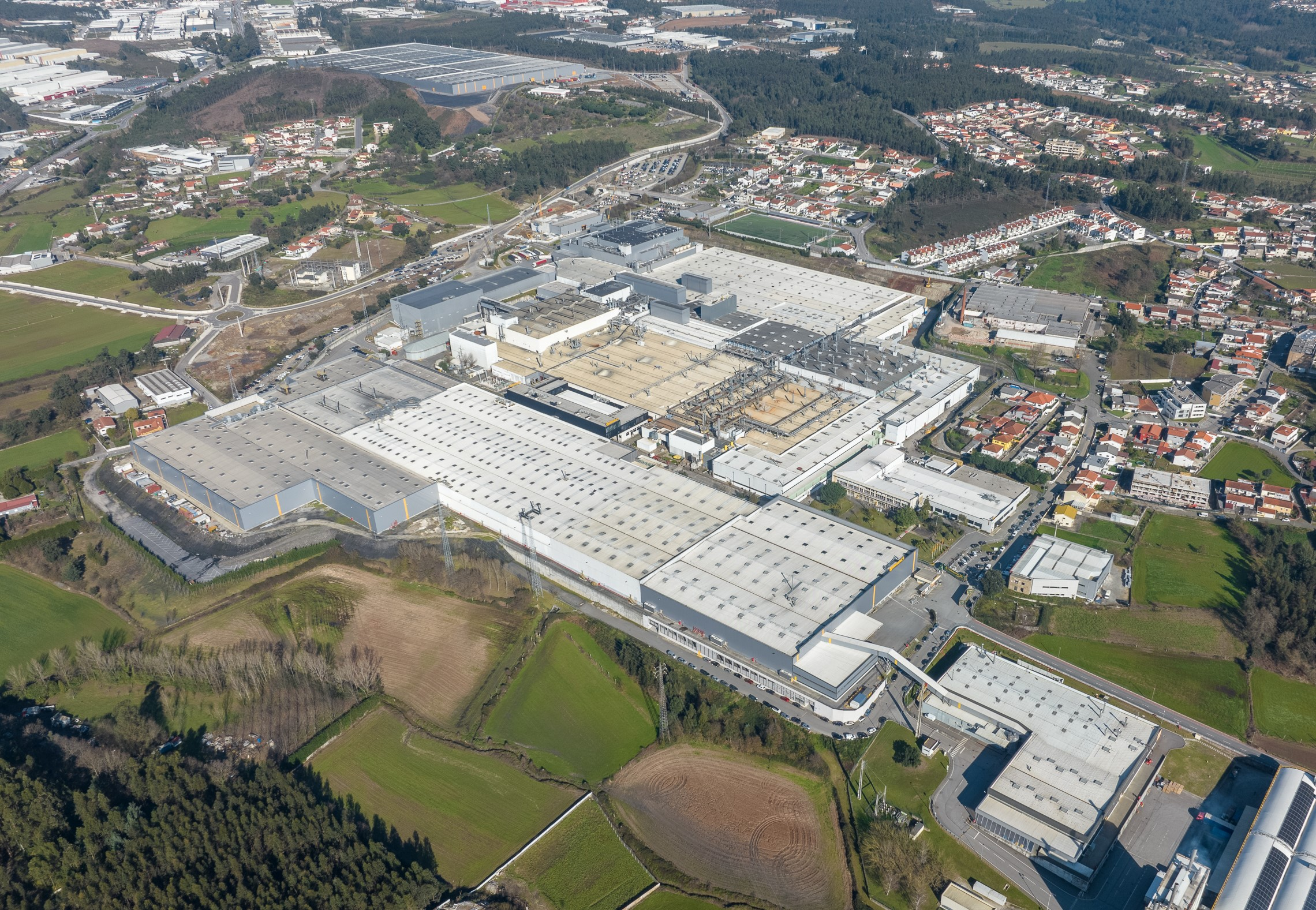
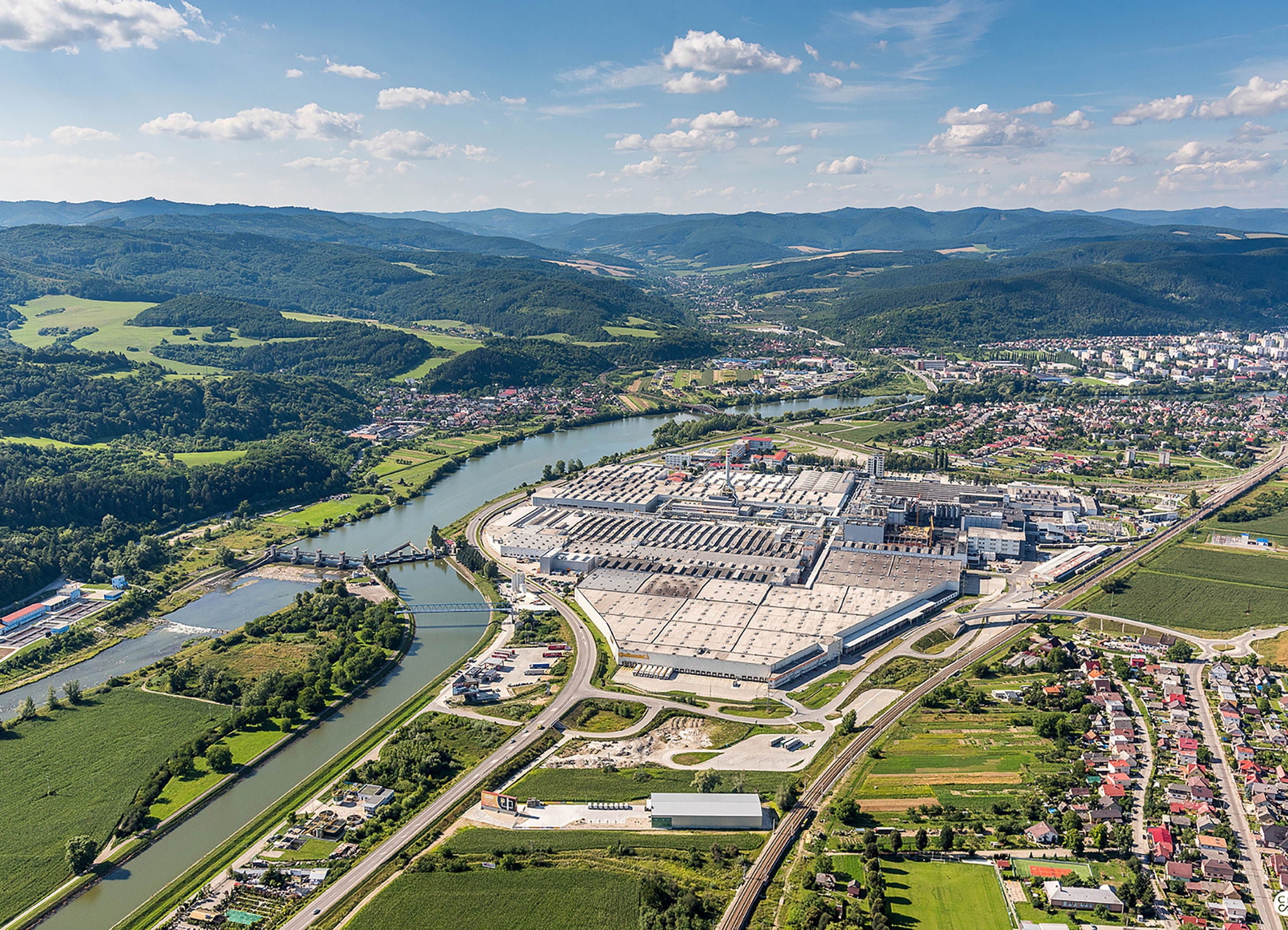
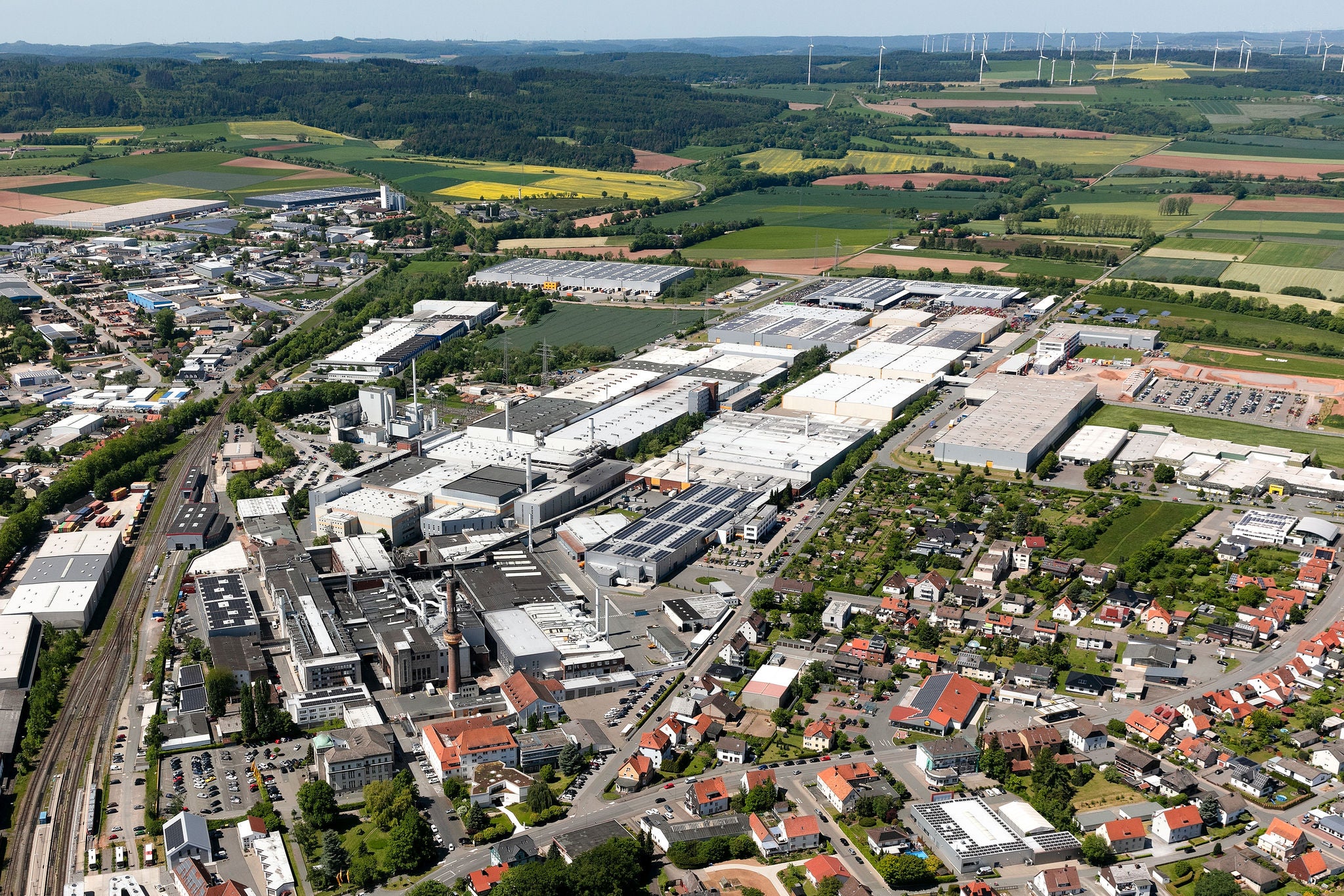
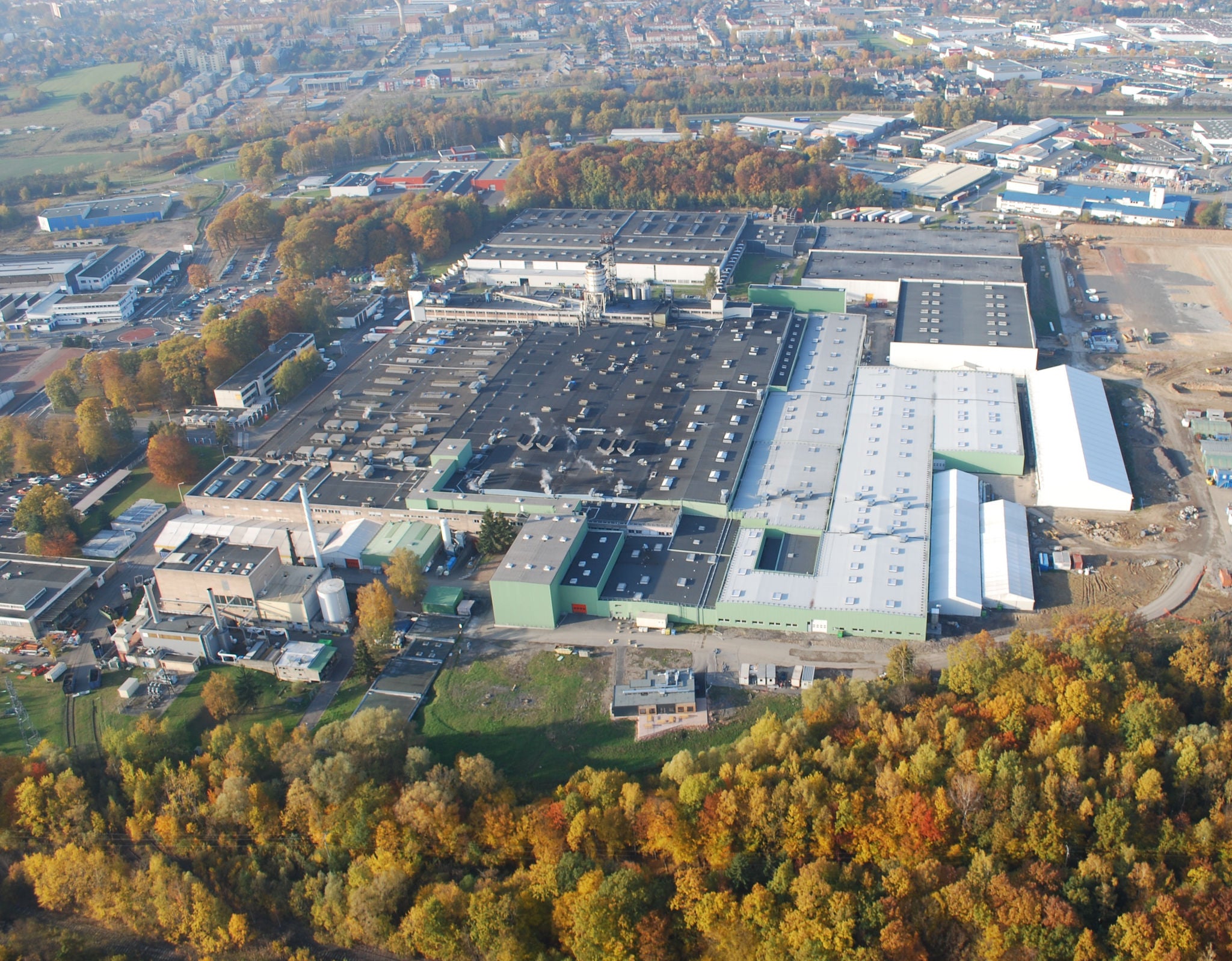
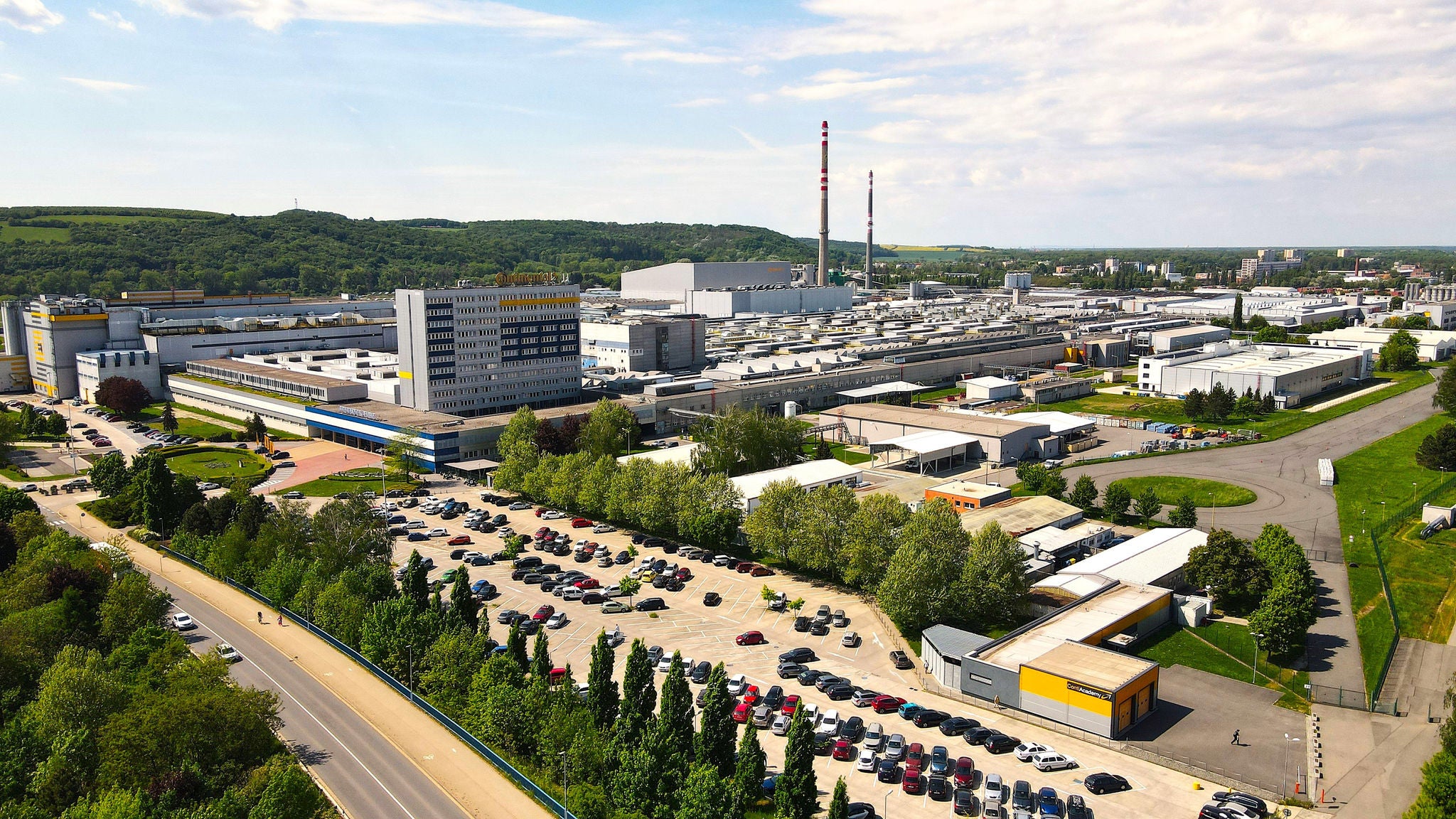
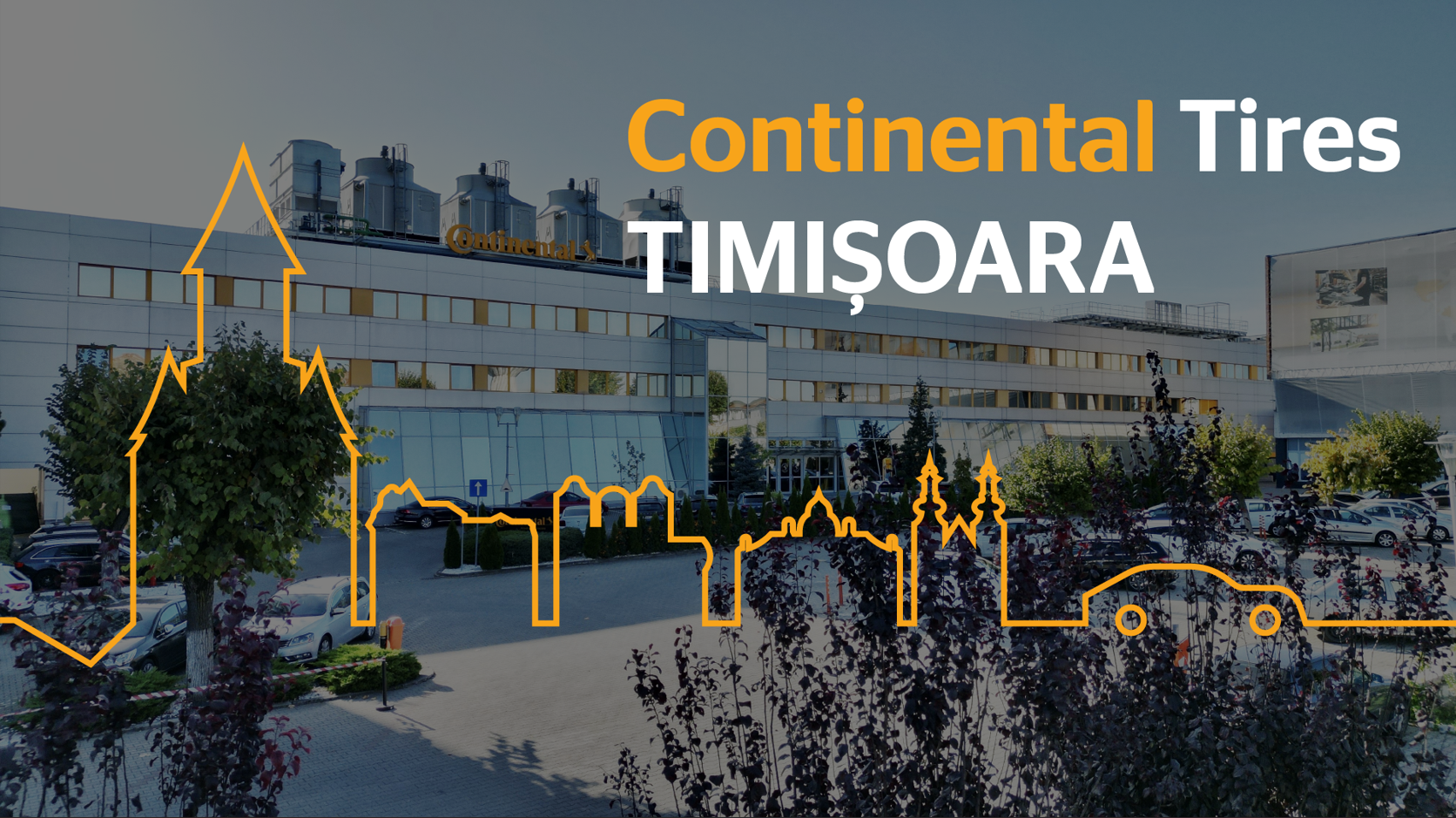
All of our European tire production sites where new tires are manufactured are now ISCC PLUS-certified. This includes the plants in Lousado (Portugal), Púchov (Slovakia), Korbach (Germany), Sarreguemines (France), Otrokovice (Czech Republic), and Timișoara (Romania).
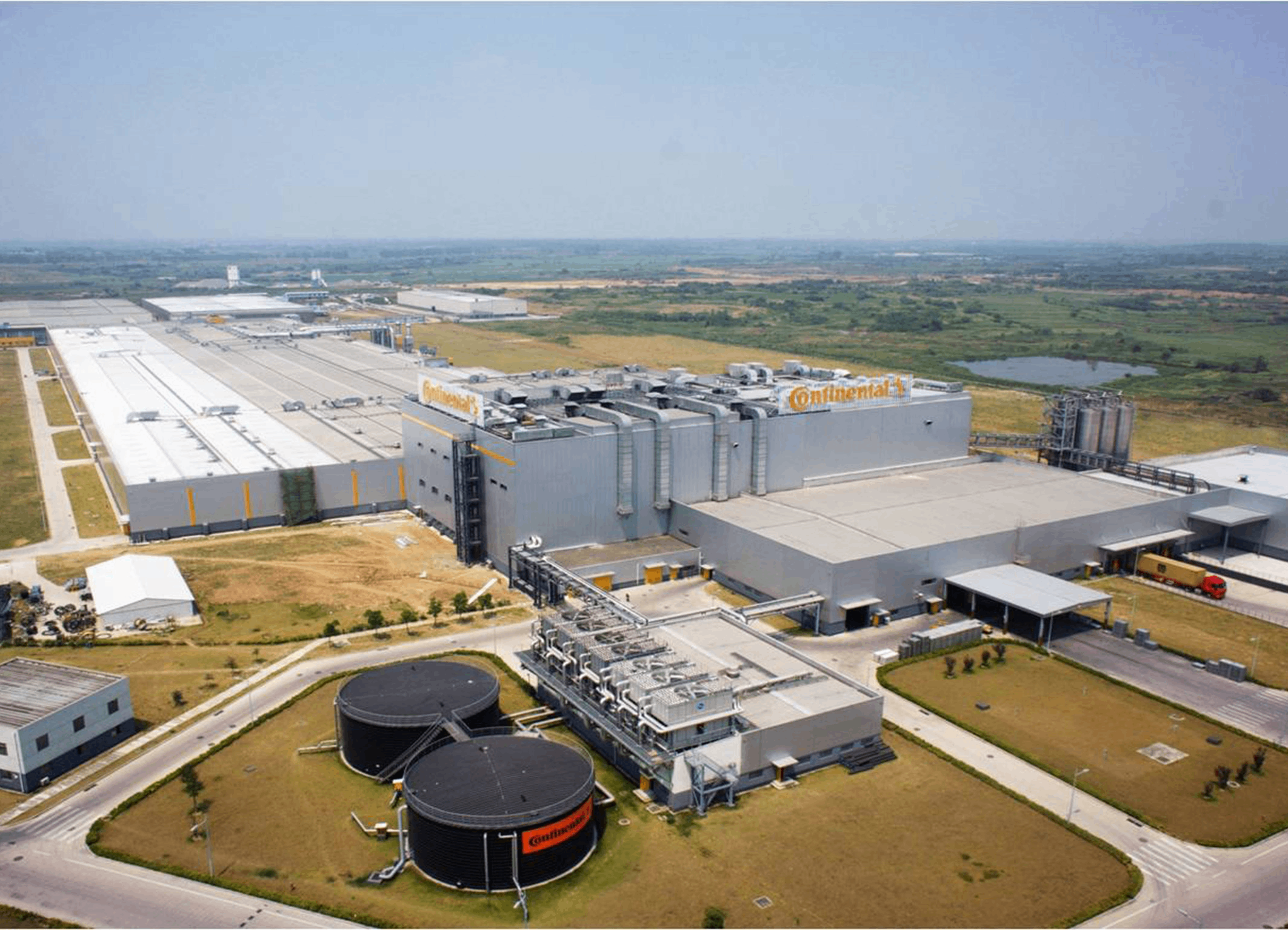
In addition, our tire plant in Hefei (China), Mount Vernon (USA) and the Industria Têxtil do Ave (ITA) plant in Lousado, which supplies technical textiles and reinforcement materials for tire production in Europe, have also received ISCC PLUS certification.