



Advancing tire sustainability through material innovation
In an era in which our ecological footprint matters more than ever, we stand at the forefront of sustainability development in the tire industry. Our ambition isn’t just to meet the standards – it’s to redefine them. As we see it, a commitment to sustainability isn’t just good for the planet, it’s good for business, too. Going green is the only direction, bringing forth innovative solutions that align with both the world’s needs and the market’s demands.
Dive into the world of tire development with us. Find out about our advanced capabilities of tire production that are driving change and reimagining what’s possible. From raw materials through to the final product, our cutting-edge technology enables us to increase efficiency and reduce waste, while still delivering a product that performs to the very highest standards.
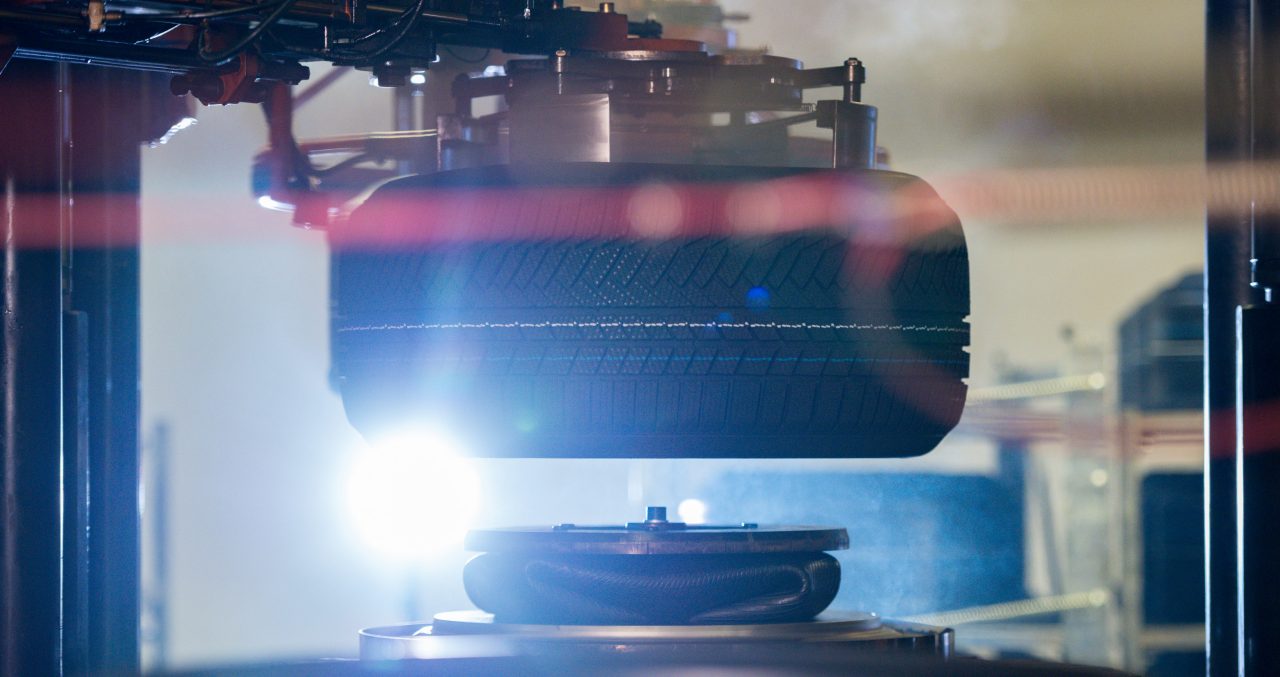
So what’s next? A future where a tire with further increased shares of renewable, recycled and certified materials is no longer just a dream, but a reality. Through research and development, innovative design, and a far-reaching commitment to sustainability, we are paving the way for an entirely new generation of tires.
Innovation
"Innovation is the ability to see change as an opportunity, not a threat."
Steve Jobs, Founder and CEO of Apple
The heart of the automotive industry: Picture this: you’re driving down the motorway, and you suddenly notice a car in the lane next to you that looks unlike anything you've ever seen before. It’s sleek, it’s modern, and it’s packed with innovative features that make your current car feel like a relic of the past. Innovation has always been at the heart of the automotive industry, driving the development of new technologies and designs that push the boundaries of what’s possible. From hybrid and electric engines to advanced driver-assist systems, the world of cars is constantly evolving to meet the needs and desires of today’s drivers.
One area where innovation has made a significant impact is in the realm of safety. Features such as blind spot monitoring, lane departure warnings and adaptive cruise control have helped make driving safer than ever before. Additionally, advancements in materials and manufacturing have led to stronger and more durable cars that are better equipped to withstand impact. Another area of innovation in the car industry is in the realm of sustainability.
Efficiency: From hybrid and electric engines to more efficient manufacturing processes, carmakers are exploring ways to improve resource efficiency and reduce greenhouse gas emissions associated with vehicle production and use. But perhaps the most exciting area of innovation in the car industry is in the realm of autonomous driving. Self-driving cars have the potential to revolutionize the way we travel, making it safer and more efficient than ever before.
While there are still many challenges to overcome before fully autonomous cars become a reality, the industry is making significant strides in this direction. In conclusion, it can be said that the car industry is constantly innovating and pushing the boundaries of what’s possible. By keeping up with the latest advancements and choosing vehicles that incorporate these innovations, drivers can benefit from enhanced safety features, improved efficiency and new mobility technologies.
Alternative Materials
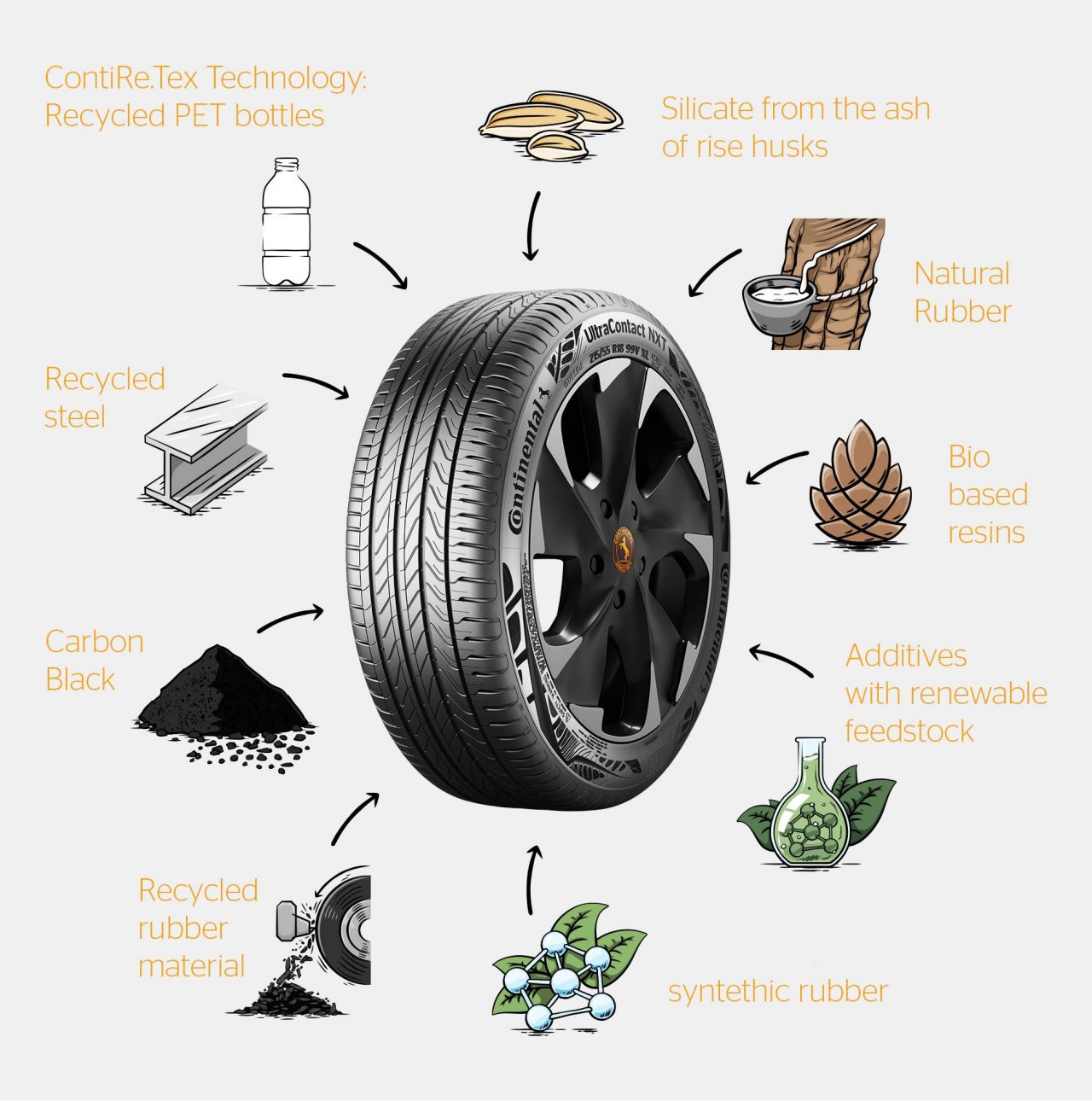
Creating the tire of the future isn’t just an aspiration, it’s a reality that’s taking shape right now: by harnessing the power of renewable, recycled and mass balance certified materials such as resins based on residual materials from the paper and wood industries, silicate from the ash of rice husks, natural rubber and ContiRe.Tex technology - recycled PET bottles, sustainable synthetic rubber and carbon black made from biobased, bio-circular and/or circular feedstock.
As it stands, the UltraContact NXT has a share of up to 65%* recycled, renewable and certified material. Up to 37% of the materials are recycled or renewed. Furthermore, we source an amount of up to 28% ISCC PLUS mass balance approach certified materials from bio-based, bio-circular and/or circular feedstock used in the rubber compound and tread.

We’re also stepping up our recycling game, with PET plastic bottles being processed and reintegrated into new tire production, contributing to a robust circular economy. In fact, the steel reinforcing in our tires is now largely drawn from recycled sources, ensuring the strength and durability you’ve come to expect, but with a reduced environmental impact.
Resins based on residual materials from the paper and wood industries are also being used in tire manufacturing, demonstrating how alternative raw materials can be incorporated while maintaining the performance characteristics required for tire applications. Used in tires, resins allow highly flexible compounds to improve the material’s grip.
The reality is that we’re already more than halfway there. A whopping 65%* of the UltraContact NXT is crafted from these materials, and we're committed to pushing that figure higher. We continue to increase the use of renewable, recycled and certified materials in tire development, while working to expand these shares further as technology and material availability evolve. This reflects our ongoing efforts to advance tire manufacturing through innovation and material development.
* Exact percentage depending on tire size. The UltraContact NXT contains 37 % recycled and renewable material. Furthermore, Continental sourced an amount of 28 % mass balance approach certified materials from bio-based, bio-circular and/or circular feedstock.
Advanced Mobility Solutions
Mobility solutions can contribute to environmental, social and economic objectives in different ways. Below are several areas where developments in transportation technologies and infrastructure can make a positive contribution:
Reducing emissions and improving efficiency: Transportation is a significant source of greenhouse gas emissions. Technologies and mobility approaches such as electric vehicles, carpooling and public transportation can contribute to reducing transportation-related emissions and improving the efficiency of how people travel. In some circumstances, these approaches may also contribute to improved local air quality.
Economic efficiency: Future mobility solutions often focuse on optimizing resource usage, which can lead to significant cost savings over time. For instance, electric vehicles have lower operating costs than traditional petrol-powered vehicles, despite having higher upfront costs. Similarly, investing in public transportation infrastructure can lead to long-term economic benefits by reducing congestion, improving productivity and supporting local economies.

Social equity: Future mobility solutions ensure that everybody has access to reliable, safe and affordable transportation options, regardless of their socioeconomic status. This enhances the quality of life by providing better access to life opportunities, services and social interaction.
Urban planning and public health: A focus on future mobility solutions often encourages smarter urban planning, with emphasis on walkability and cycle-friendly routes. This can lead to more active, healthier lifestyles, reducing the risk of obesity, heart disease and other health issues related to sedentary lifestyles.
Resource conservation: By promoting more efficient use of vehicles and fuel, future mobility solutions help conserve valuable resources. This is especially important in an era of increasing resource scarcity and rising fuel prices.
In conclusion, future mobility solutions are not merely a matter of environmental stewardship. It’s a holistic approach that encompasses health, economic stability, social equality and the overall quality of life. For this reason, embracing alternative transportation solutions is crucial in order to ensure a resilient, equitable and prosperous future.

What is NXT on the Horizon?
Every step in our daily lives, no matter how small, can be a starting point for embracing sustainability and contributing to a healthier, more resilient planet.
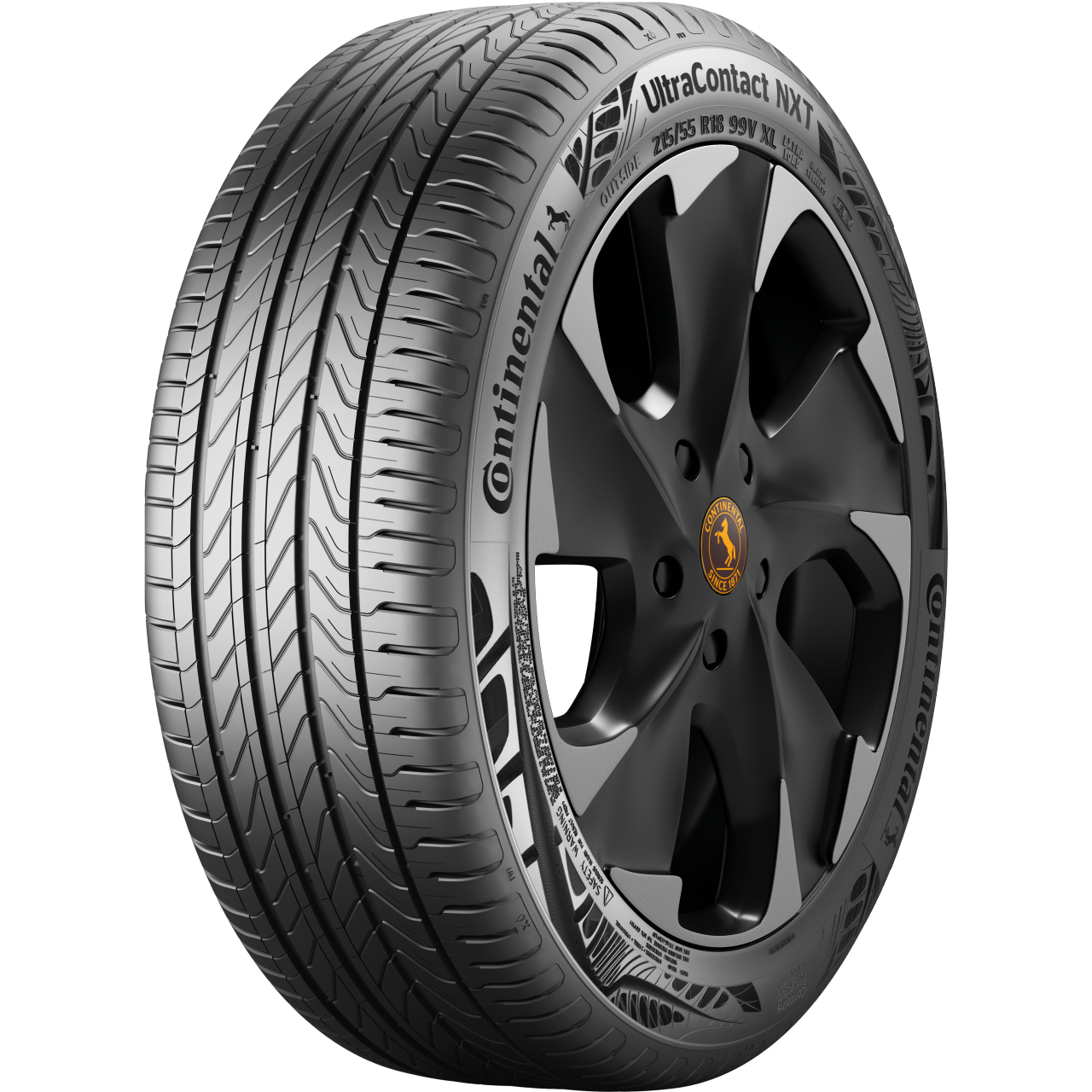
Start your journey with the UltraContact NXT tire which is based on and inspired by our popular Continental UltraContact. The suffix “NXT” symbolizes the importance of the product as a milestone for Continental in the future of tire development and mobility.
Depending on its tire size, the UltraContact NXT is made from up to 65 percent renewable, recycled and mass balance certified materials. Renewable materials stand up to 32 percent. The proportion of recyclable materials is up to five percent. Furthermore, Continental sourced an amount of up to 28 percent ISCC PLUS mass balance approach certified materials from bio, bio-circular and/or circular feedstock.
The already presented innovative ContiRe.Tex technology has also been adopted for the UltraContact NXT. It generates high-performance polyester fibres used to reinforce the tire carcass through recycling PET bottles, which otherwise would have ended up in incinerators or landfills.
The tire also contains, for the first time, rice husks, used as source material for sustainably produced silica.

We never compromise on safety with our products. With the UltraContact NXT, we have not only significantly increased the proportion of recycled & renewable materials, but also the performance values: All sizes of the UltraContact NXT have a Triple A rating in the EU tire label and thus the best value in rolling resistance, wet braking and rolling noise. The UltraContact, the basis of our UltraContact NXT, is our flagship product for mileage performance within our product portfolio. The integration of recycled and renewable materials has no impact on this mileage.
Considering the availability of alternative raw materials and current technical possibilities, a tire with 100 % renewable and recycled materials is not yet possible. Our development engineers and material experts are working hard to improve the sustainability of our products every day. We are always trying to achieve the maximum of what is possible in terms of technology and availability. The overall goal of Continental is to be the most progressive tire manufacturer in this area.