Tire Pressure Monitoring System (TPMS)
Read more




Many accidents are caused by underinflated tires. If you’re not doing it already, it’s time to start checking your tires every month. You’ll be saving money, and you could save lives.
Isn’t once every few months enough? No, it isn’t. There are many reasons why you need to check tire pressure every month.
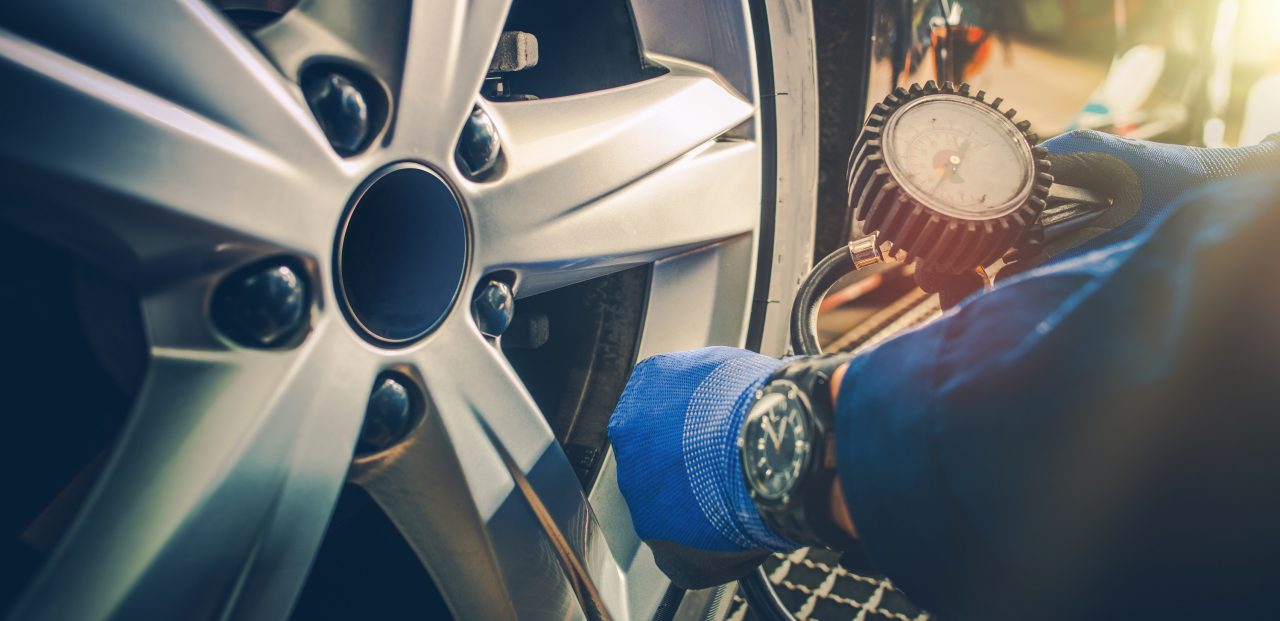
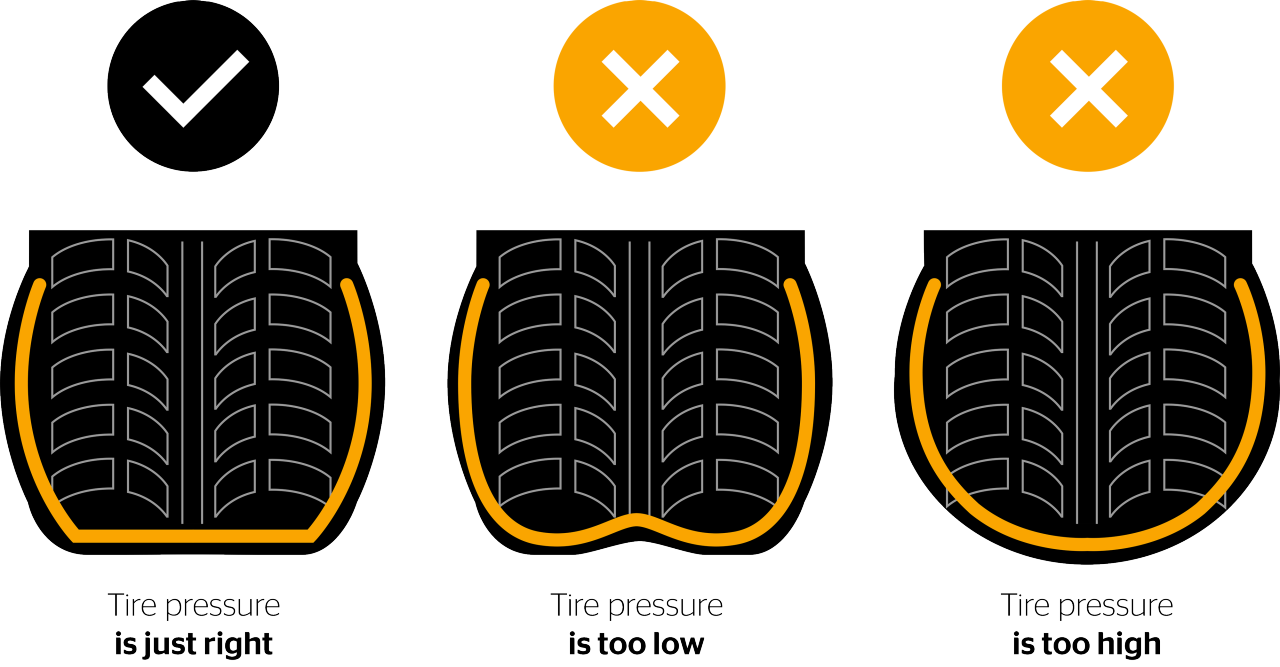
Tire pressure is crucial for safety, fuel efficiency, and tire longevity. It dictates how your tires interact with the road. Proper inflation ensures optimal grip and braking, while also enhancing ride comfort.
Tires wear out faster if they’re underinflated, and they wear irregularly if they’re overinflated – so in both cases you’ll need to buy new tires more often. Proper care stabilizes the tire structure and can extend the average life of a tire by a staggering 7,500 km (4,660 mi).
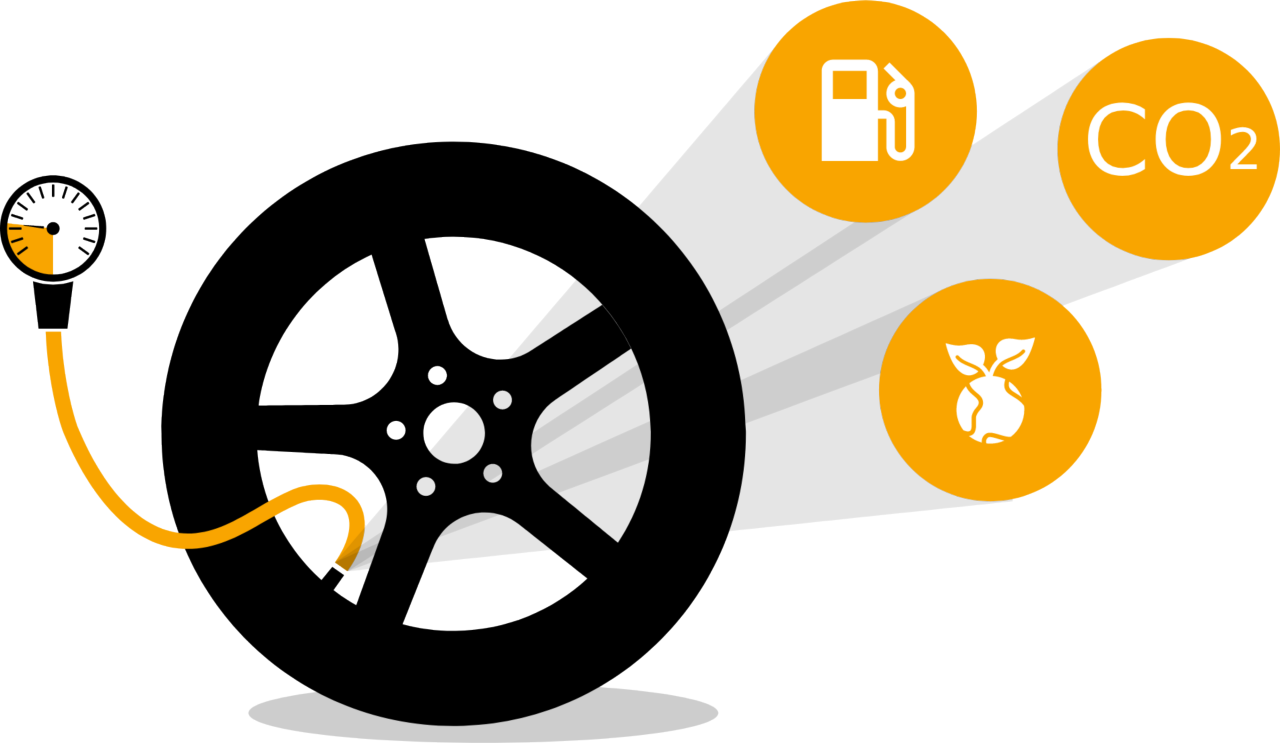
You’ll also save on fuel: If the tires are underinflated, the vehicle will consume more fuel or energy per kilometer or mile traveled, and thus achieve lower mileage.

Properly inflated tires influence the responsiveness of the vehicle, and its handling and performance. Which takes us to the next point.
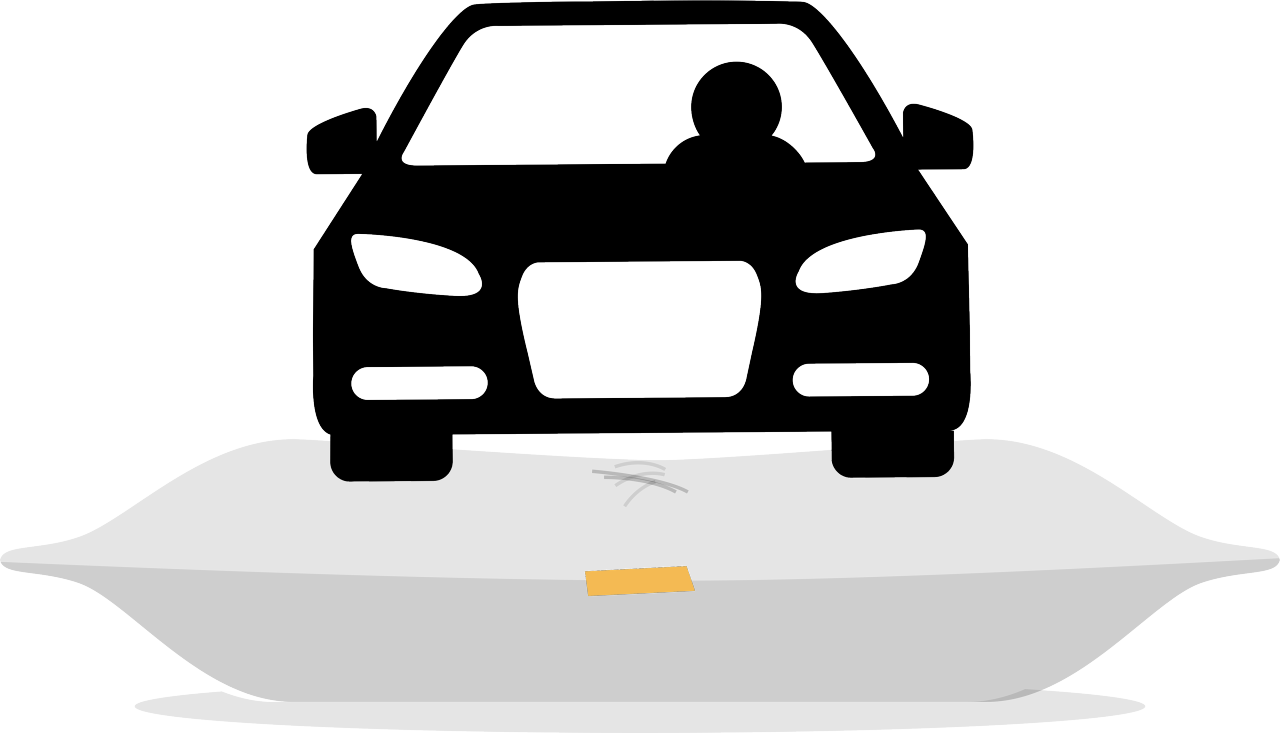
If tires are under- or overinflated, handling is affected. It becomes sluggish if the tires are underinflated, and dangerous if they’re overinflated, especially if you’re cornering at high speed. Stopping distance, braking grip, and directional stability are all affected. As your tires struggle to stay on the road, heat builds up, making blowouts more likely and increasing the risk of a serious accident.
If your car’s tires are underinflated by just 0.3 bar, rolling resistance is increased, so your vehicle will consume about 1.5 percent more fuel and therefore release more CO2. Proper inflation means a perfect balance of maximum safety and fuel or energy economy. Your tires will last longer and you’ll reduce your carbon footprint.
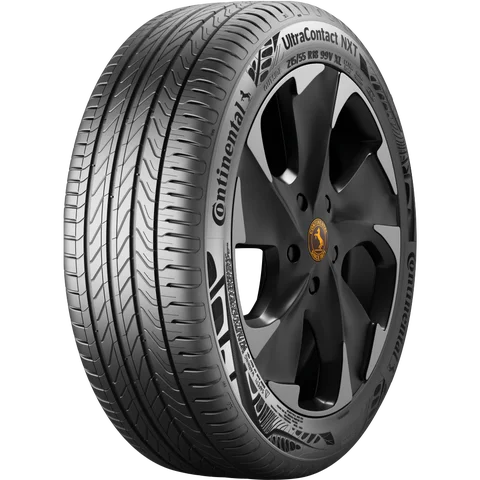
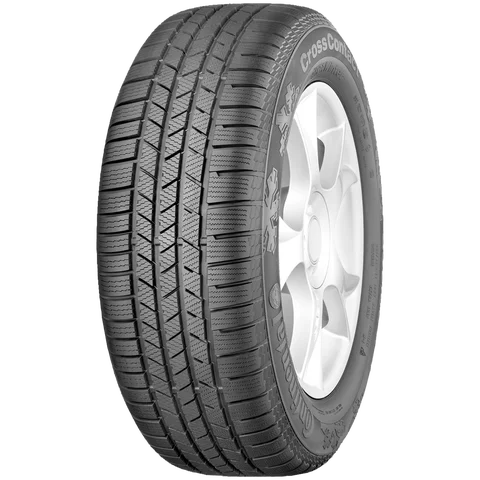
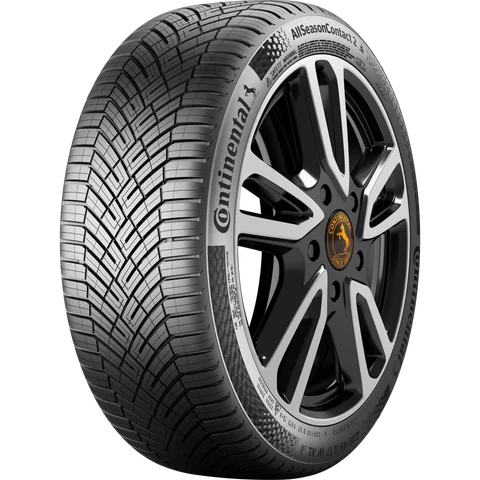
You can’t control the weather. But you can be prepared.
View detailsTire pressure is expressed as pounds per square inch (PSI). It’s based on a vehicle’s weight and size, and it’s important to use exactly the pressure that’s recommended for your vehicle by the manufacturer. This will ensure safety and optimal performance.
Check the pressure every two to four weeks, and always before setting off on longer journeys or if you’re carrying additional loads.
Identify the manufacturer’s recommended pressure for the front and rear tires of your particular vehicle and tire size. This is the minimum amount of air pressure needed in cold tires to support your vehicle. You’ll probably see two figures, one for normal use and one for full loads; it will look something like 240 kPa or 2,4 Bar or “35 PSI.”
You’ll find this in the vehicle handbook in the car, inside the fuel filler cap, or on the driver’s door jamb. If you can’t find it, consult your vehicle dealer, manufacturer, or qualified tire professional.

Cold tires. You’ll get a more accurate reading if you check the pressure when the tires are cold, before the outside temperature rises and the tires are exposed to direct sunlight. If the outside temperature increases by 10 degrees Celsius, the tire pressure will increase by 1.6 PSI. In winter, in some climates, tires could experience a drop of up to 5 PSI.
If the reading is above the recommendation, push in the valve to let out some air. You may have to do this a few times until the gauge shows the correct reading. If the PSI reading is below the recommendation, use an air compressor (at the petrol station if you don’t own one) to fill the tire with air until it has the correct level. Replace the valve cap tightly and repeat the process with the three remaining tires, plus the spare tire.
These two numbers should not be mixed up, since they serve completely different purposes.
Manufacturer-recommended tire pressure: This is the number found on the sticker inside your driver’s side door jamb. It is calculated by the car's engineers to provide the perfect balance of safety, fuel economy, and ride comfort for your specific vehicle weight. This is the number you should follow.
Maximum pressure on tire sidewall: This number is molded directly into the tire rubber. It is not a recommendation but a structural safety limit, since it tells you the absolute maximum pressure the tire can hold before it risks failing. Driving at this pressure will result in a stiff ride and poor traction.
Before looking at the different units used to measure tire pressure, it is important to understand that the recommended pressure can be expressed in several formats depending on the country, vehicle manufacturer, or tire pressure gauge. The three most common units are PSI (pounds per square inch), kPa (kilopascals), and bar. Although they use different scales, they all measure the same thing: the amount of air pressure inside the tire. Knowing how these units relate to one another can help you correctly interpret tire pressure recommendations and ensure your tires are inflated to the proper level.
PSI is the most widely used unit for measuring tire pressure in countries that follow the imperial system, such as the United States and (in this case) the United Kingdom. The abbreviation stands for “pound-force per square inch”. PSI is defined as the pressure created when a force of one pound-force is applied to an area of one square inch. One PSI is approximately equal to 6,895 pascals (N/m²).
It is a versatile unit that can be used to measure various types of pressure, including blood pressure and tire pressure. If you live in a country that uses the imperial system and purchase a vehicle from a country that uses the metric system, you will likely need to convert tire pressure readings from bar or kPa to PSI.
Bar is a metric unit of pressure most commonly used in weather forecasting to measure atmospheric pressure. It is, however, also used to measure air pressure in tires, especially in countries that use the metric system. One bar is equivalent to 14.50 PSI. Compared to kPa, bar is considered a less precise and less scientific method for measuring pressure.
kPa stands for kilopascal, a metric unit equal to 1,000 pascals. Because pascal is a relatively small unit, tire pressures are typically measured in kilopascals for convenience.
It is widely used as a unit of pressure measurement around the world, especially in countries that follow the metric system, such as most of Europe. In many industries, kPa is gradually replacing PSI as the standard unit for pressure measurement. One kPa is equal to 0.145038 PSI.
Maintaining the right tire pressure is more than just avoiding a warning light; it’s about how your car handles the road. Here is what happens when you stray from the manufacturer's recommended tire pressure:
Tire pressure is not a fixed value and can change over time, even if your tires are in good condition. Several factors can influence the amount of air pressure inside a tire, affecting vehicle handling, tire wear, fuel efficiency, and overall safety.
When air molecules are exposed to cold temperatures, they move more slowly and cluster closer together, which causes them to occupy less physical space. In contrast, air molecules in warmer temperatures move more rapidly and spread farther apart, occupying more space.
As the air inside your tires heats up, the molecules expand, which typically leads to an increase in tire pressure. Conversely, when the temperature drops – such as during sudden overnight changes in the fall or spring – the air inside your tires contracts, causing a decrease in tire pressure.
In short:
Heavy loads require higher tire pressure to prevent heat buildup and support the weight on the vehicle.
Leaks from punctures or debris like nails or screws in the tread will cause tire pressure loss.
If you drive an electric vehicle, monitoring your tire pressure is even more important for maximizing your car’s performance and range. Many EVs use specialized EV tires (often designated with high-load or "XL" markings) designed to be stronger and handle higher loads than traditional tires.
Protect your range: Underinflated tires increase rolling resistance, forcing your motor to use more energy. Keeping your tires at the correct pressure can extend your driving range by up to 15% per charge.
Support extra weight: Because of their heavy battery packs, EVs are often 20% to 30% heavier than comparable combustion engine cars. This extra weight requires bigger tire sizes and higher tire pressures (between 38 and 42 PSI) to maintain the tire’s structural integrity and and ensure the tires can safely carry the higher load.
Manage instant torque: EVs deliver maximum power to the wheels instantly. Proper inflation ensures the tire’s contact patch is optimized to handle this instant torque, reducing micro-slippage and preventing premature tread wear.
Continental has developed a Tire Pressure Monitoring System (TPMS) that works with wheel sensors and brake systems to alert the driver to low tire pressure levels, via a dashboard warning light.
This invaluable safety feature also helps reduce fuel consumption as well as CO2 emissions and increases your car’s optimal performance lifespan.
However, even if your vehicle is equipped with a TPMS, you still need to check tire pressure every two to four weeks, to ensure a better, safer driving experience.
Inflating your tires to the minimum recommended pressure may result in a softer ride, but it can also cause increased tire wear, reduced fuel efficiency, and less precise handling. Underinflated tires are more prone to overheating and damage, especially when carrying heavy loads or driving at high speeds.
Inflating tires to the maximum pressure listed on the sidewall can make the ride harsher and reduce traction, especially on wet or uneven surfaces. Overinflated tires wear out faster in the center, are more susceptible to impact damage, and may compromise safety and comfort.
Proper tire pressure reduces rolling resistance, helping SUVs achieve better fuel economy. Underinflated tires increase resistance, causing the engine to work harder and consume more fuel. Keeping tires at the recommended pressure can save money and reduce emissions.
Check tire pressure at least once a month, as well as before long trips or heavy loading. Commercial vans often carry varying loads, so regular checks help maintain safety, performance, and tire longevity.
The tire pressure warning light indicates that one or more tires are significantly under- or overinflated. This can be caused by temperature changes, a slow leak, a puncture, or recent tire service. Check all tires promptly to ensure safe driving.
Inflate all tires to the recommended PSI. Drive for several minutes to allow the system to recalibrate. If the light remains on, consult your owner’s manual for the reset procedure – some vehicles require pressing a reset button or using the dashboard menu.
For your winter tires follow your vehicle manufacturer’s recommended pressure, which is usually listed in the manual. In colder weather, tire pressure drops, so check and adjust it regularly to maintain optimal grip and safety.
Tires should generally be inflated to the recommended pressure for your vehicle. Some vehicles specify different pressures for front and rear tires. However, large differences can affect handling, safety, and wear. Always follow the manufacturer guidelines.
Yes, tire pressure naturally increases as tires warm up during driving due to heat expansion. Always check tire pressure when the tires are cold for the correct reading.