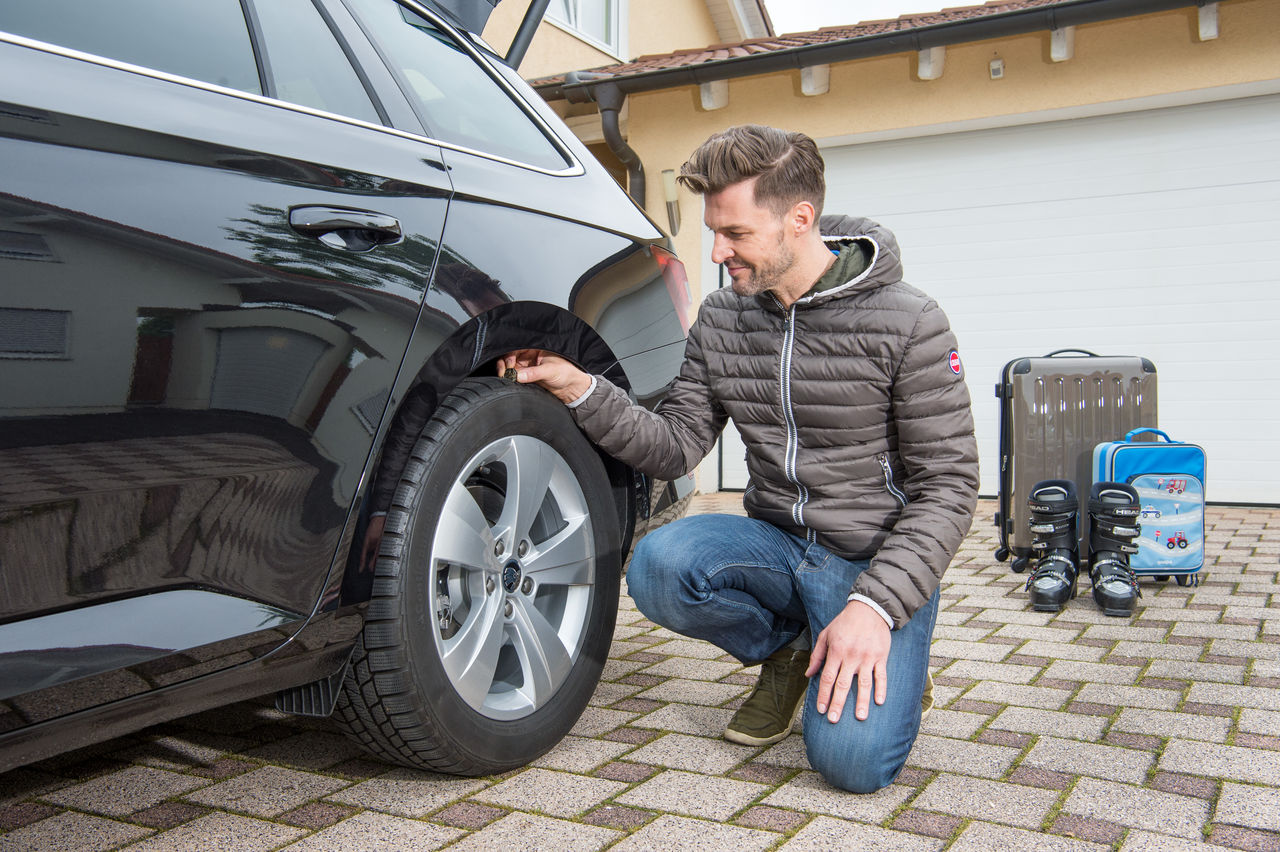
Driving in snow
Read more




Winter driving conditions require more than just careful navigation - they demand the right tire for optimal safety and performance. Whether you're tackling snowy streets, icy highways or wet winter roads, Continental offers a wide range of winter tires to meet every driver’s needs. Here’s a guide to finding the best tire for your driving style during the colder months.

Your choice of winter tires not only affects your vehicle's performance but also your safety and comfort on snow-covered or icy roads. At Continental, we understand that different drivers have different needs. Whether you're a cautious commuter, an adventurous off-roader or a performance enthusiast, we have the right winter tire for you.
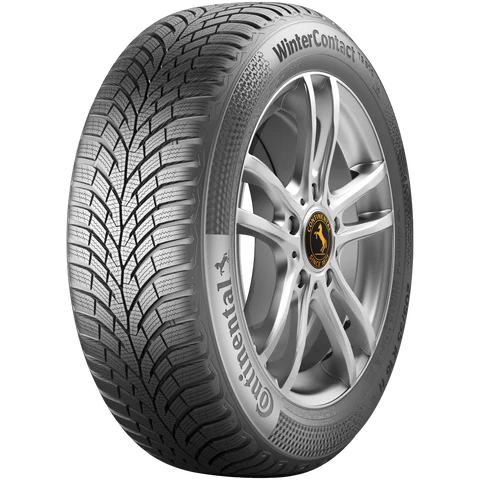
For those looking for exceptional winter performance, the WinterContact TS 870 and TS 870 P deliver outstanding results. Like all our tires, they offer the highest level of safety, with the added benefit of optimized handling in challenging winter conditions. The WinterContact TS 870 provides excellent handling on snow and ice with its advanced compound and tread design for short braking distances and a smooth driving experience. Designed for mid-size and compact vehicles, it is the tire of choice for urban commuters facing harsh winter weather.
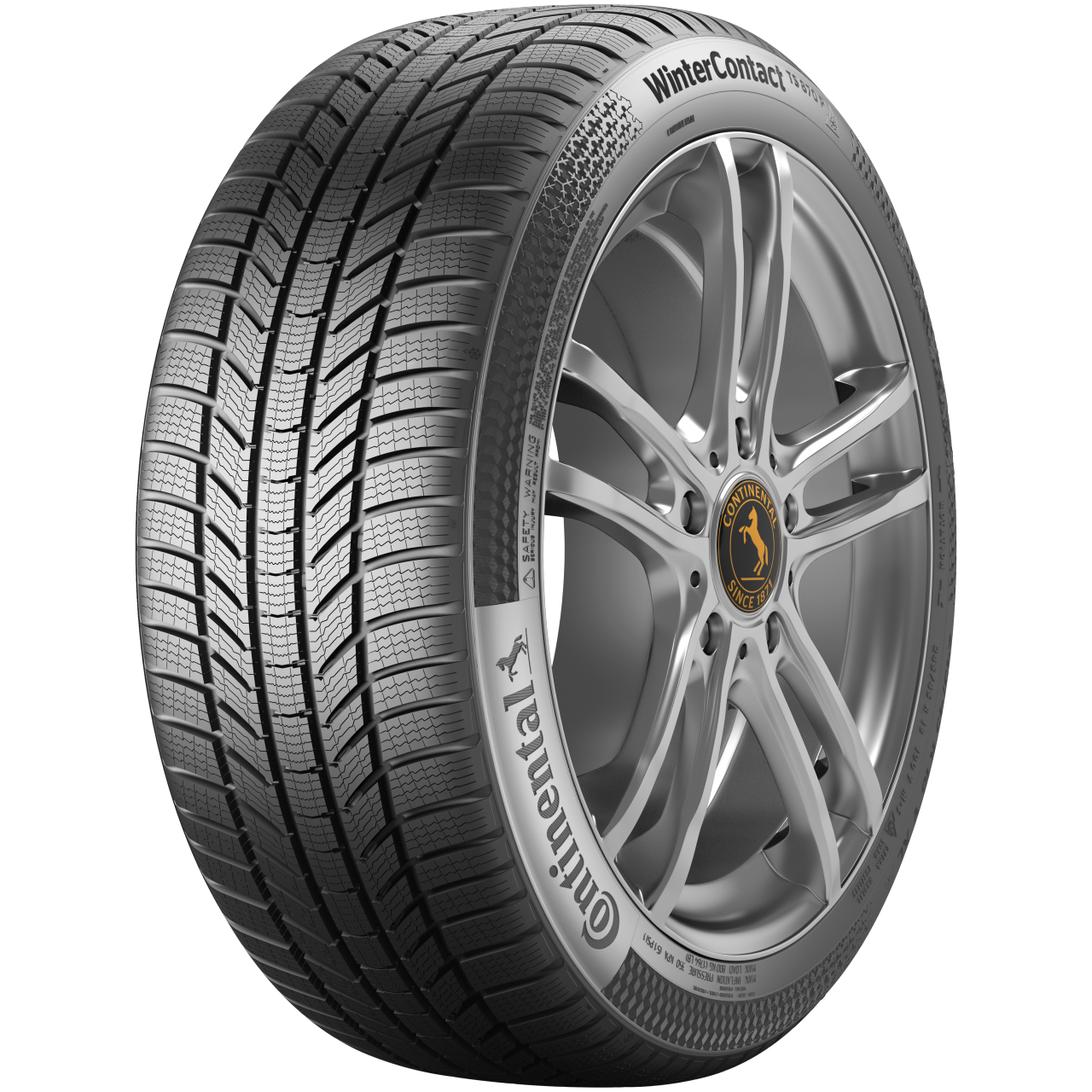
Cool Chili Compound: Ensures outstanding performance in cold temperatures.
Winter Performance: Optimized for braking and handling on snow and ice, it delivers top performance in critical winter conditions.
For larger wheel sizes and heavier vehicles, such as SUVs and premium models, the WinterContact TS 870 P offers the same high level of safety, with enhanced grip for reliable traction in winter conditions.
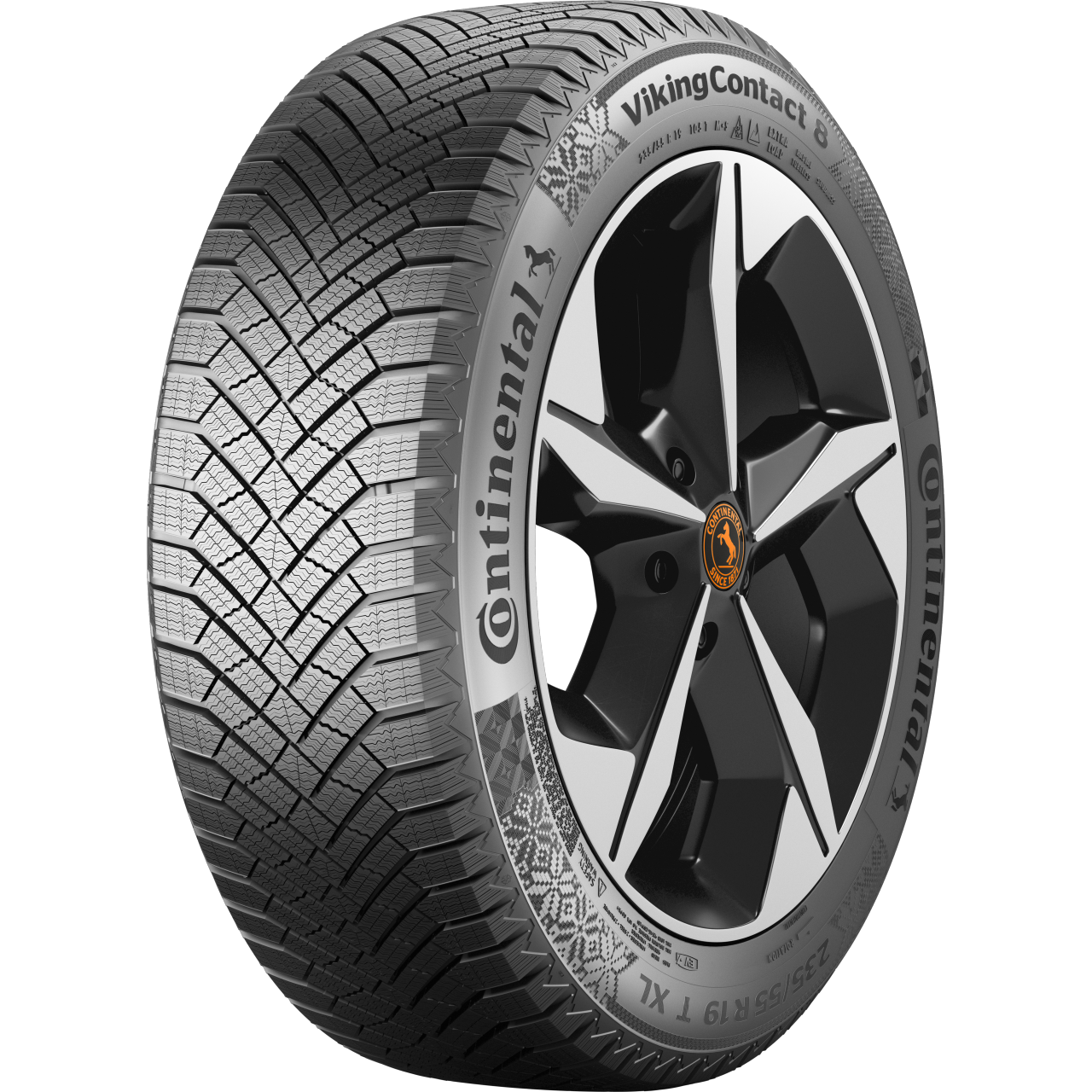
Designed specifically for Nordic drivers, the VikingContact 8 offers exceptional performance in extreme winter conditions. Whether you're navigating icy roads or heavy snow, this tire’s innovative design enables superior traction and control. Ideal for regions with long, harsh winters, the VikingContact 7 is built to last and keep you safe in the most challenging conditions.
Nordic Compound Technology: Specifically engineered to maintain flexibility and performance in freezing temperatures.
Superior Grip: Exceptional traction on icy and snowy roads for greater control and safety.

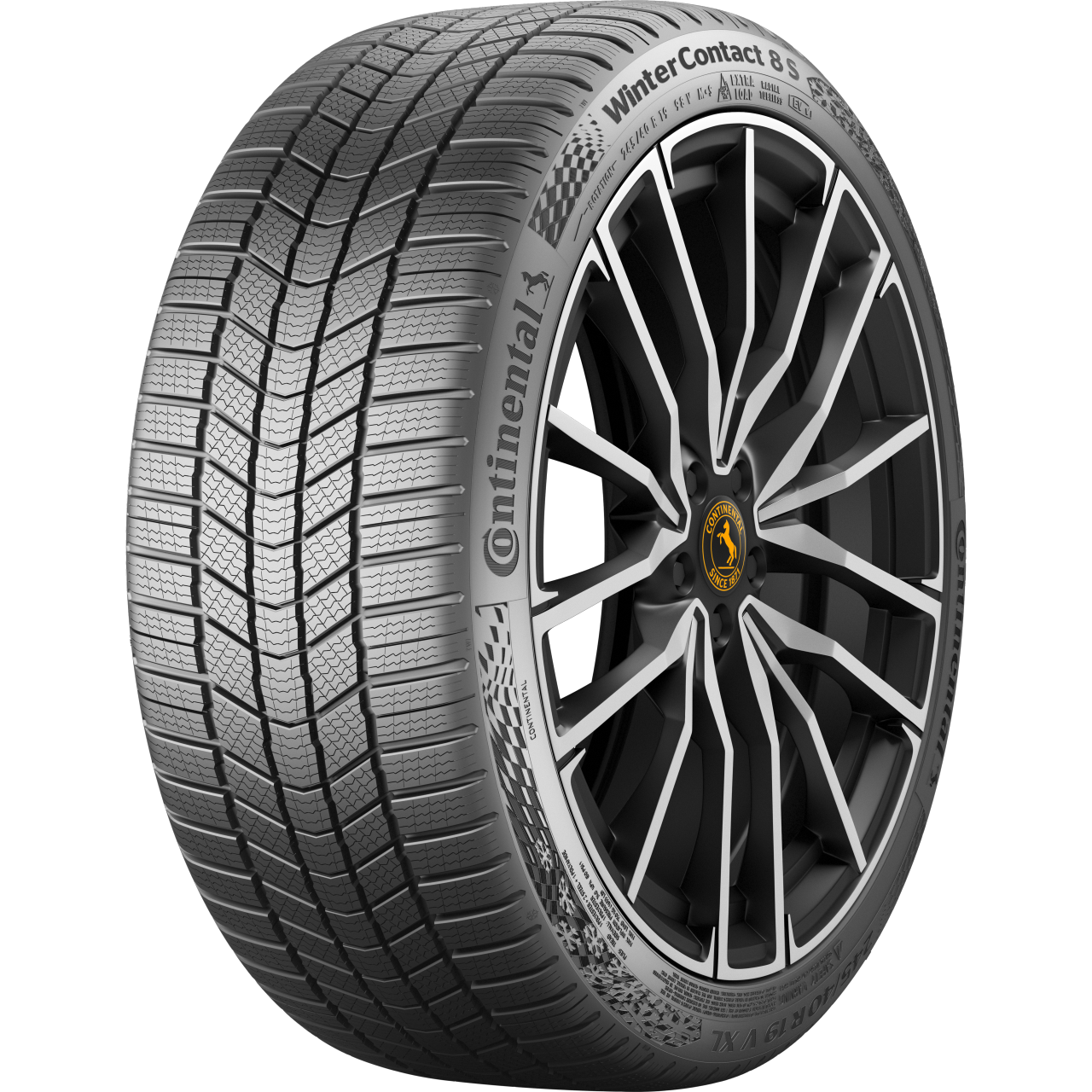
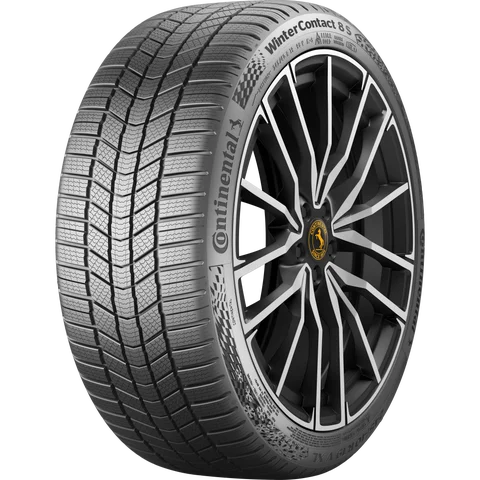
For drivers who value performance in winter conditions, the WinterContact 8 S is designed for sporty driving. With its excellent handling and high-speed stability, this tire offers outstanding performance even in cold and challenging conditions. It’s the perfect fit for those who refuse to compromise on driving dynamics, no matter the season.
Sporty Performance: Designed to enhance driving pleasure with high-speed stability and precise cornering, even on wet or snowy roads.
Superb Grip: Provides maximum control and grip, making it perfect for performance-oriented drivers.
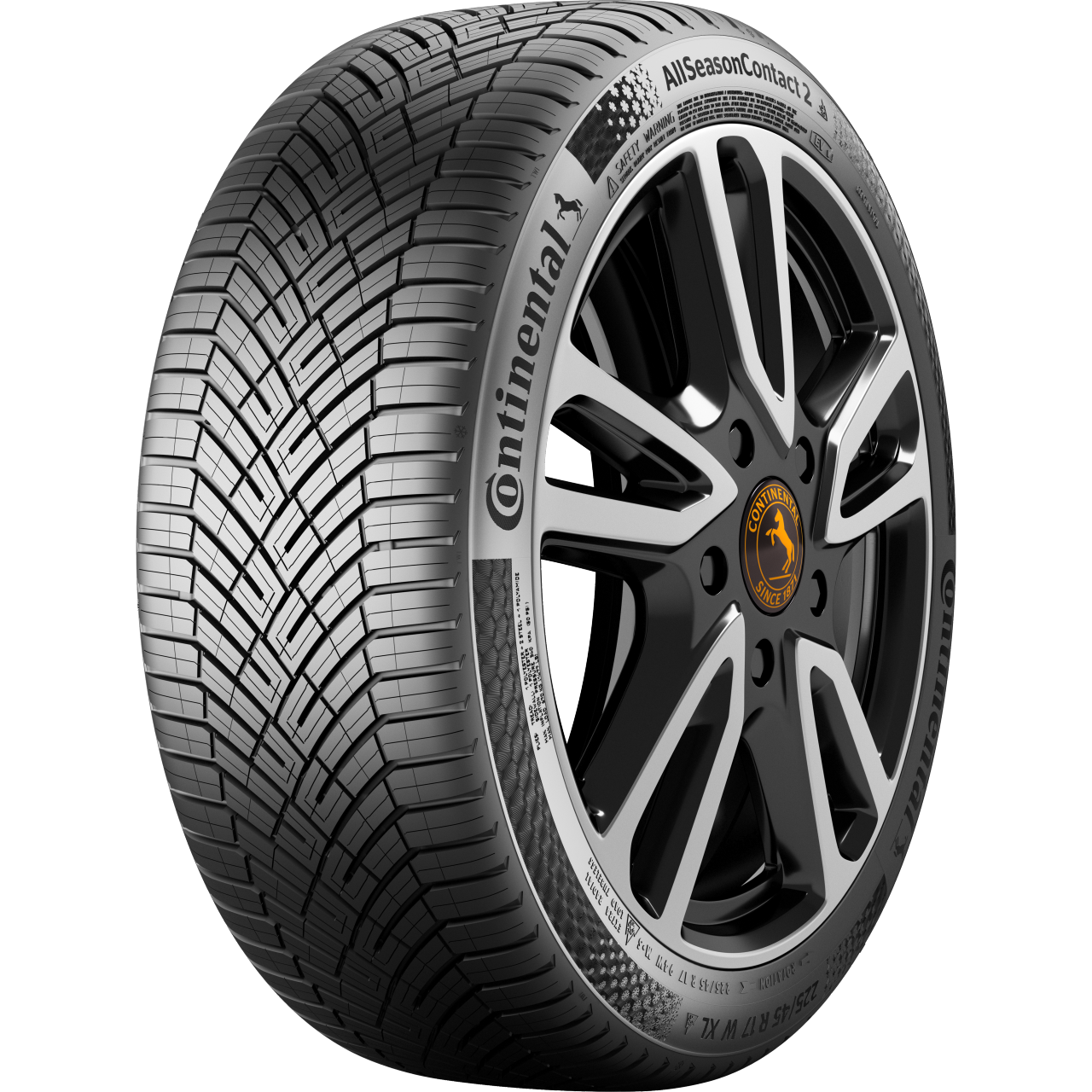
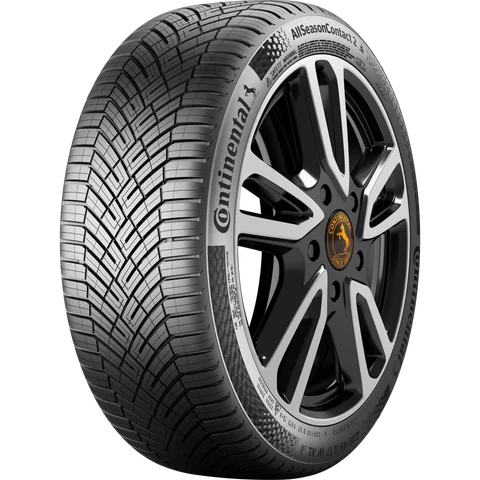
If you're looking for a tire that offers consistent performance all year round, the AllSeasonContact 2 is an ideal choice. This tire adapts to both mild winter conditions and occasional snow, offering reliable grip and safety no matter the season. It's a perfect fit for drivers in regions with milder winters, who still need reliable performance in variable conditions.
All-Weather Confidence: Combines winter safety with summer performance, making it suitable for year-round use in moderate climates.
Fuel Efficiency: Features low rolling resistance to reduce fuel consumption without compromising safety.
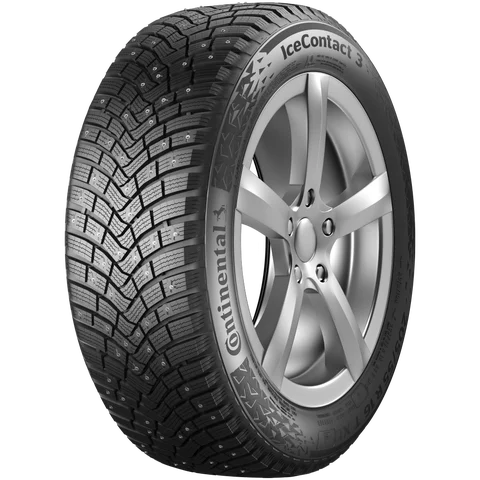
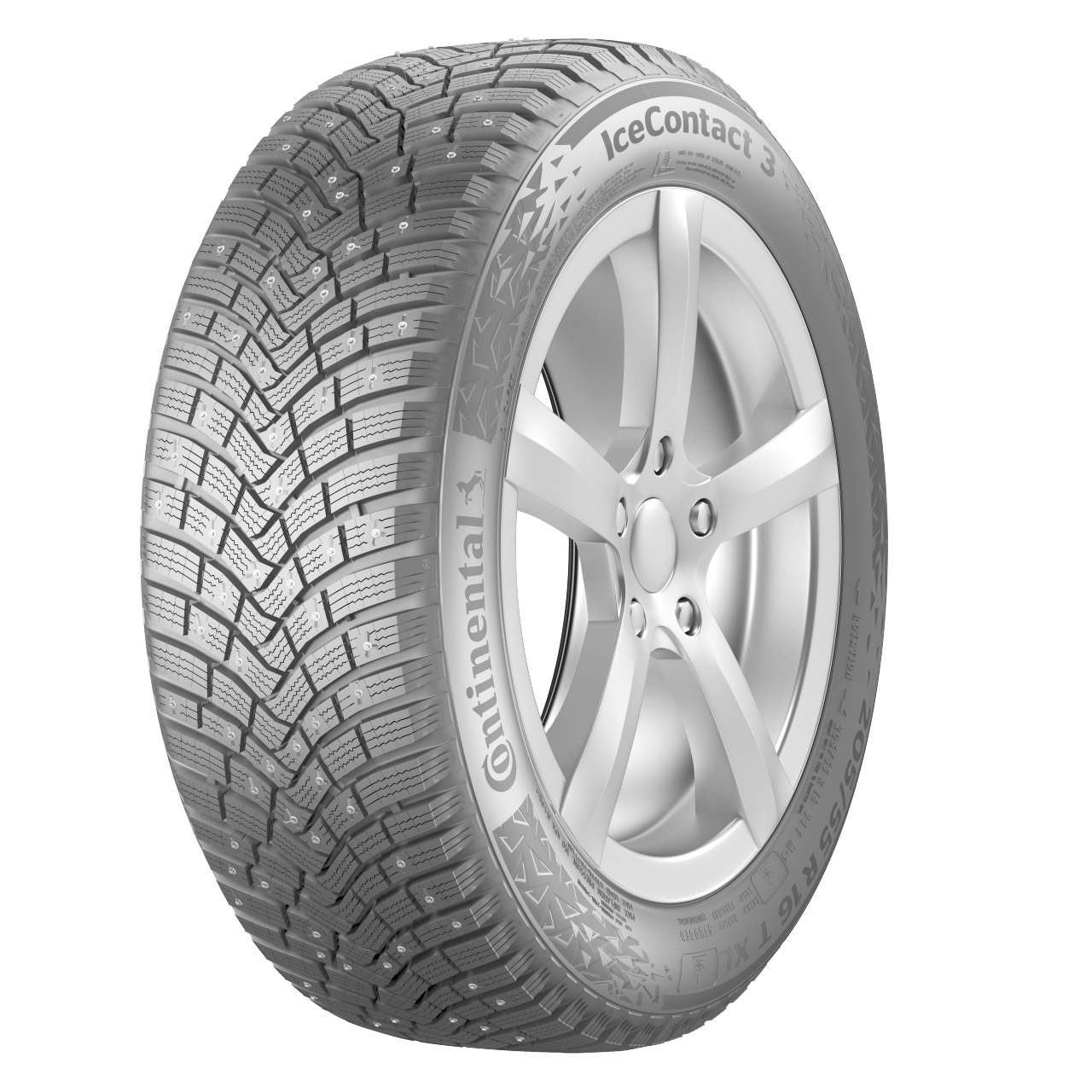
For those who frequently drive on ice-covered roads, the IceContact 3 features advanced technology to maximize traction and braking. Its innovative stud design keeps you safe on even the slipperiest of surfaces.
TwinStud Concept: Features two types of studs for increased grip on icy roads.
Hardened Studs: Long-lasting performance with increased durability, perfect for enduring icy conditions.
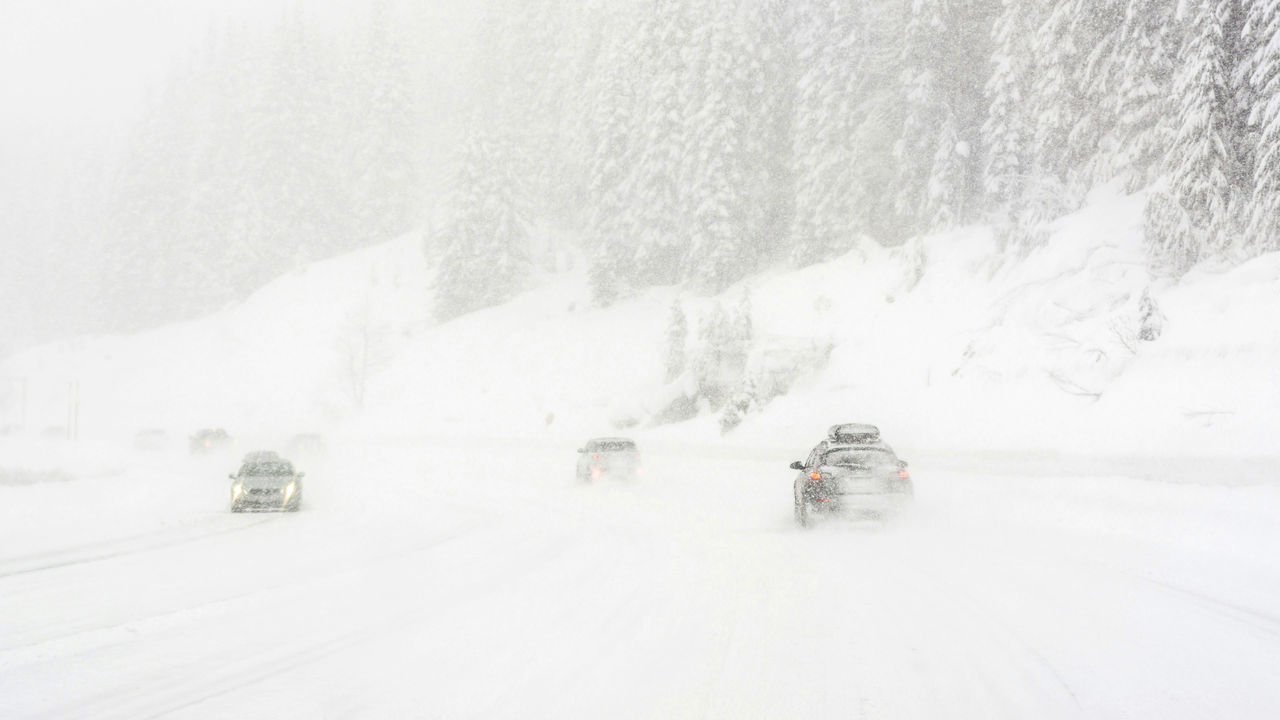
Choosing the right winter tire is about more than just traction and performance - it's about keeping you safe on the road in unpredictable winter conditions. Whether you need the precise handling of the WinterContact TS 870, the durability of the VikingContact 8 or the sporty performance of the WinterContact 8 S, Continental has a winter tire to fit your needs.
At Continental, we are committed to keeping you safe no matter where the winter roads take you. Explore our range of winter tires and enjoy the confidence that comes with driving on tires designed for the toughest conditions.
All winter tires are the same. Until the streets turn white.
View details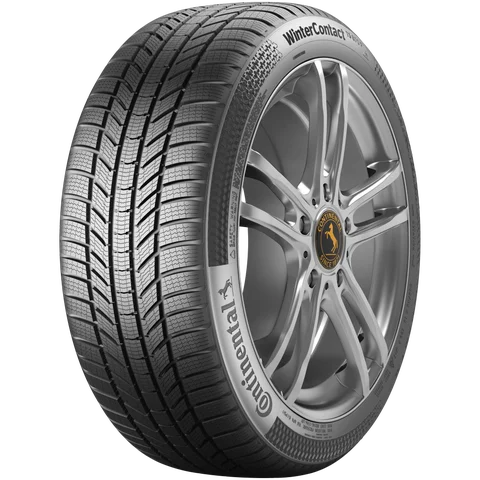
Winter gives you rain, ice and snow. We give you control.
View details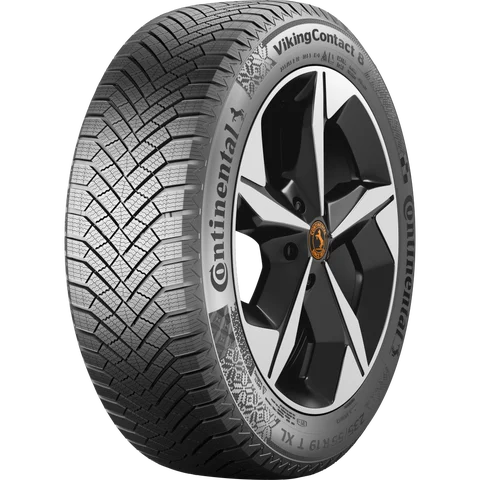
You can’t control the weather. But you can be prepared.
View details