Driving in heavy rain
Read more




Winter conditions can present motorists with a considerable challenge. Freezing temperatures, poor visibility, and slippery road conditions cause a high risk of losing control of your vehicle and having an accident.
That's why when snowy weather arrives, it's essential to take proper precautions for yourself and your vehicle. Also, adopting a different approach to your driving style will help you avoid tough situations. Here are some useful tips for safely driving in snow.

Before hitting snow-covered roads, taking a few key precautions can make a significant difference in safety and comfort. One of the most important elements to check is your vehicle’s contact with the road.
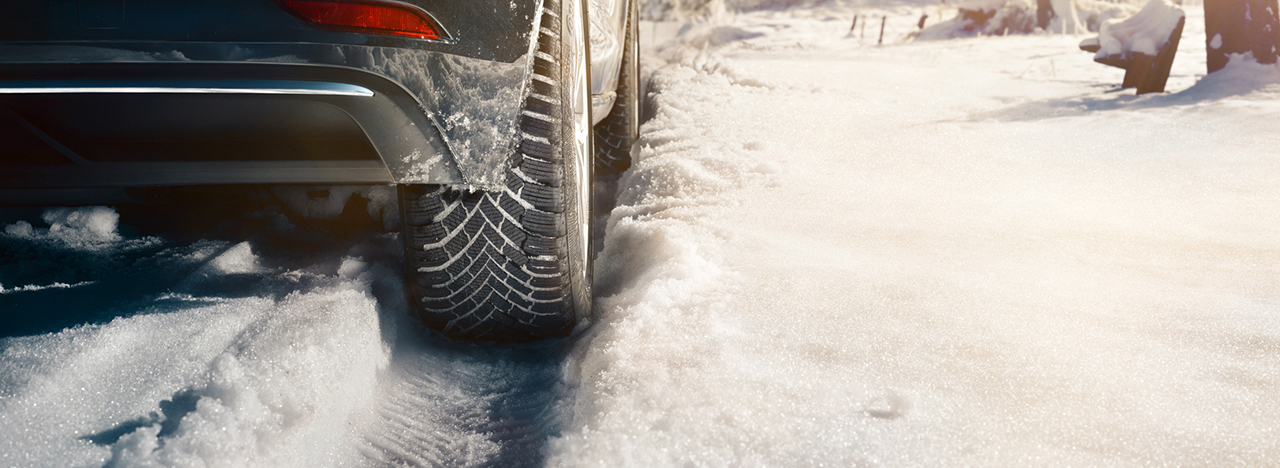
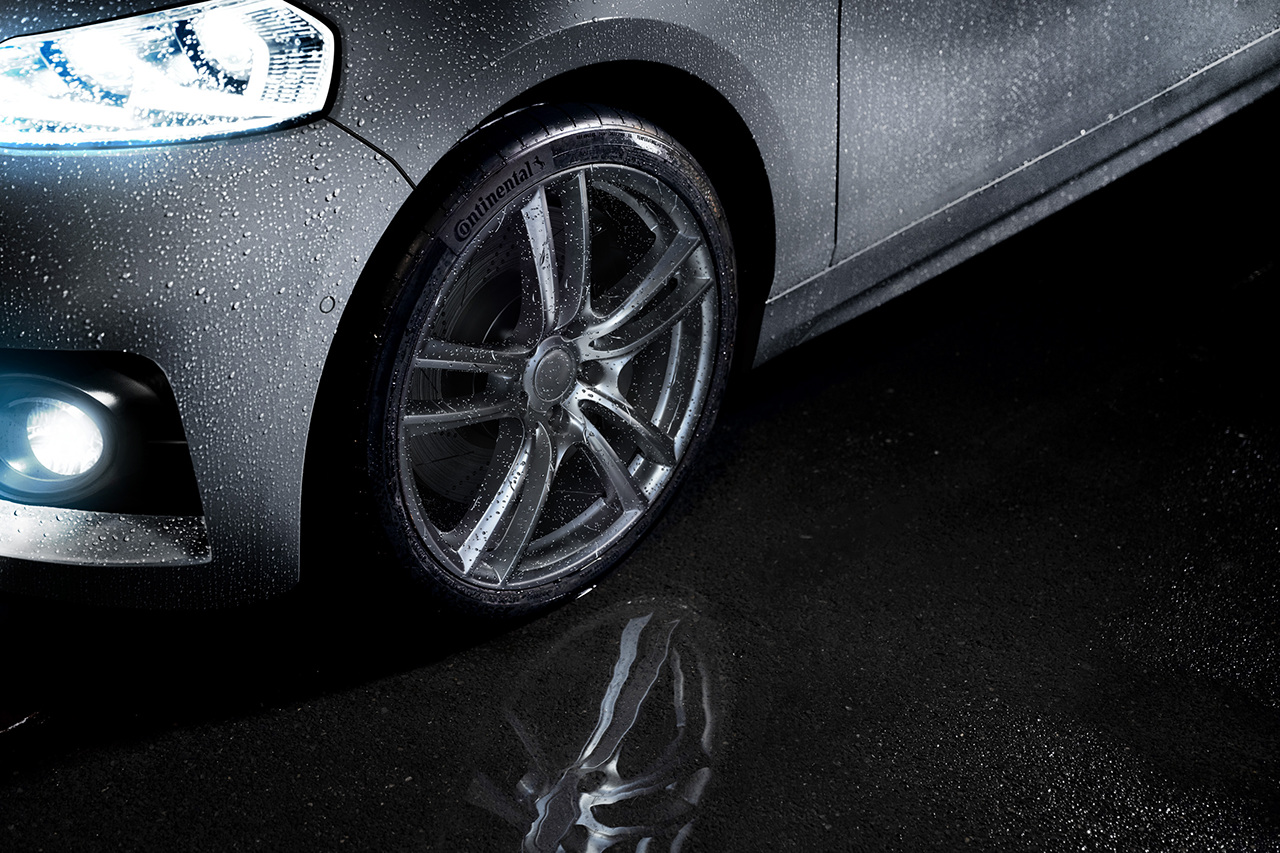
First things first, your tires. Regularly check the tread for wear and replace them if necessary. In most countries, the legal limit for tread depth on tires is 1.6 mm and 3 mm for winter tires. But consider that safe driving in wet and snowy weather conditions is affected by the tread depth, the pattern design, and the rubber compound of the tire tread. On wet or snow-covered roads, braking performance will progressively decline with lower tread depths. On wet roads there is an additional increased risk of aquaplaning with fading tread depths.
Therefore, check your tires regularly, reduce your speed on wet and snowy roads and consider replacing your tires in good time. Checking that you have the correct tire pressure will also improve your car’s handling and fuel efficiency.
You should also consider fitting your vehicle with winter or all-season tires, as regulations in many countries require their use in defined seasonal periods or when specific weather conditions apply.
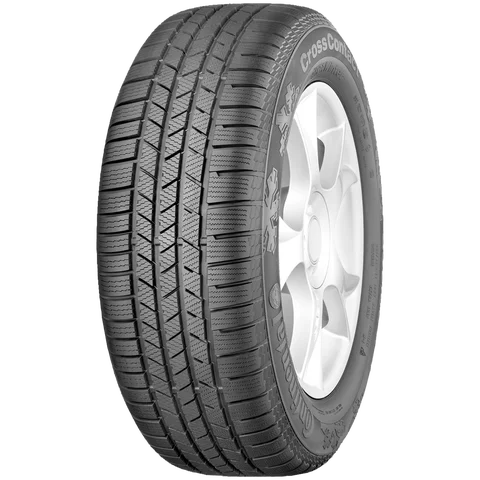
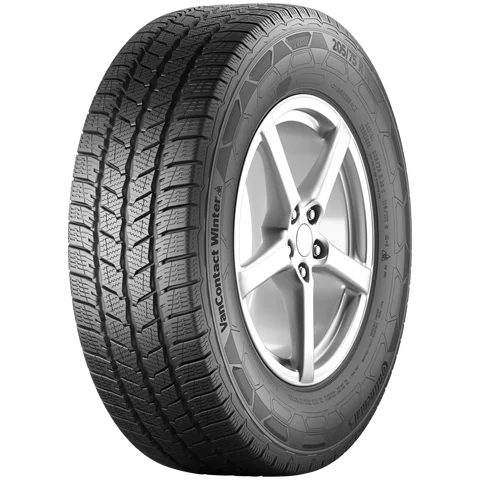
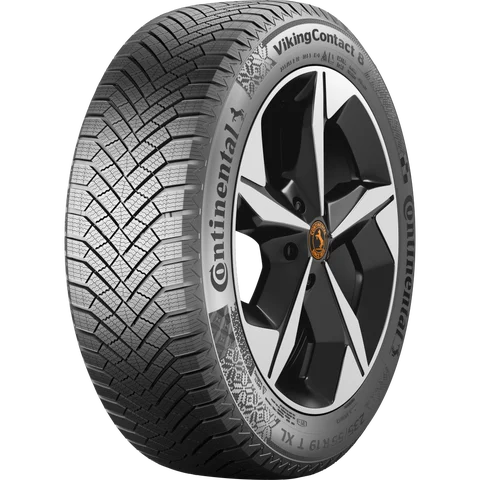
They have a dedicated tread pattern for better traction on snow and ice, and they use a unique rubber compound that stays flexible in cold, wet conditions. Tires certified with a three-peak mountain snowflake symbol on the sidewall are the ones to get.
In regions with frequent snowfall, icy roads, or prolonged periods of low temperatures, winter tires are the safest choice, as they are specifically engineered for severe winter conditions. All-season tires, while more versatile, are best suited for regions with mild winters where snow and ice occur only occasionally.
In slippery winter conditions, maintaining control of your vehicle is all about precision. Proper acceleration and gear selection help reduce wheel spin and keep your car steady on low-grip surfaces.
Gently accelerate the vehicle using low revs and shift to a higher gear as quickly as possible. Keep your speed down, be aware of potential hazards, and give yourself enough time to brake and steer. To reduce the chances of the wheels slipping, use the second gear instead of the first gear.
Maintain a greater braking distance between your car and the vehicle in front of you, especially in conditions like rain, ice and snow; leave as much as ten times the usual recommended gap.
Shift down and use engine braking to slow the car, but if you need to use the brakes apply them gently.
When approaching a curve, start to brake before you begin to turn the steering wheel. If your car loses grip, try not to panic; the best action is to ease off the accelerator and keep your wheels pointing in the direction you want to go.
When starting or climbing hills, leave plenty of room in front of the car so you can maintain a steady speed without the need for changing gear or acceleration.
When going downhill, use a low gear and try to avoid braking unless absolutely necessary. Again, make sure you leave plenty of space between you and the car in front of you.
If the car begins to skid, try not to panic. Steer gently into it. If the rear of the car is sliding to the left, for example, then steer to the left. You absolutely must not take your hands off the steering wheel or slam your foot on the brakes.
When driving through heavy snow, make sure to turn on your headlights. Don't just depend on daytime running lights. If visibility drops below 100 m, turn on your fog lights. But remember to turn them off when visibility improves.
If there is no grit on the roads, avoid driving in the wheel tracks of other vehicles; packed snow is more icy than fresh snow.
There is no universal maximum speed for driving in snowy conditions, since safe speeds depend heavily on the current weather and road surface. Drivers should always adjust their speed to match the level of traction available. Even if there is a speed limit, you should only drive fast enough to maintain full control of your vehicle on snow-covered or icy roads. In very slippery conditions, the “normal” speed limit may not be safe.
Be especially careful when visibility is low; if snow is falling heavily and you can’t see far ahead, slow down even more.
Use snow chains only on compacted snow. Driving on bare pavement can damage both tires and roads, so make sure to follow the manufacturer’s instructions. Remove the chains once the roads are clear or only lightly covered to avoid wear, noise, and mechanical issues.
In some regions, carrying or using snow chains is mandatory, so check the local rules before traveling in snowy or mountainous areas. Road signs or official guidance may indicate when chains are required, helping you prepare for low-traction conditions. In remote or hilly areas where roads aren’t regularly plowed, chains provide essential grip and reduce the risk of getting stuck.
Front-wheel-drive cars pull from the front axle, which generally provides stable acceleration on slippery winter roads. However, they can struggle when starting from a standstill in deep snow or on ice, and steep, slippery inclines may cause the front end to lose grip.
Rear-wheel-drive vehicles push from the back axle, making uphill starts easier, especially when carrying extra weight in the trunk. The downside is that the rear can fishtail or slide on icy surfaces, making quick steering or acceleration more challenging.
All-wheel-drive (four-wheel-drive) systems send power to all four wheels, giving the strongest traction in snow and ice. This makes wheel spin less likely and hill starts much easier. Trade-offs for all-wheel drive include slightly longer braking distances on downhill icy roads, increased fuel consumption, and a higher purchase price compared to front- or rear-wheel-drive cars.
Yes, driving through deep snow can actually harm your vehicle in several ways. Snow can pack into the undercarriage, and when salt gets mixed in, it accelerates corrosion, especially on exposed metal parts such as the exhaust, suspension, and brakes. In addition, the added weight and force of packed snow can stress the body panels and even crack or loosen your windshield if ice builds under the wipers.
Over time, moisture from the snow can promote rusting, weakening structural components. Also, snow piles increase the risk of damage to your engine’s belts, hoses, and spark plugs, especially when cold temperatures make the components more brittle.
To protect your car, avoid driving through very deep snow when possible, clean and rinse the underbody regularly, apply a rust-inhibiting undercoat or wax, and park in a garage or covered spot if you can.
All-season tires can work in mild winter conditions, but they are not optimized for snow or ice. Winter tires are safer when temperatures consistently drop below 45 °F (7 °C).
Only use them on compacted snow or ice. Using chains on bare asphalt can damage both your tires and the road. Remove them when the road is clear.
Stay calm, steer gently in the direction of the skid, and avoid slamming the brakes. Always keep your hands on the steering wheel.
Clear snow from windows, mirrors, and lights and check the tire tread and pressure. Use washer fluid with antifreeze, have an emergency kit and a fully charged phone with you, and plan your route carefully.