Tire pressure
Read more




The goal of tire balance is to distribute weight equally around the entire circumference of the tire. Wheels that are out of balance can cause uncomfortable vibrations while driving. It also results in premature wear of suspension and steering components, rotating parts, and tires.
When refitting any tire to a wheel, Continental recommends that the tire is correctly rebalanced to help eliminate vibration and avoid premature wear caused by an imbalance in the rotating wheel and tire assembly.

An imbalance is a lack of equilibrium in the tire. Differences in weight become noticeable, especially at high speeds. There are several possible causes for an imbalance:
Imbalances can occur not only in passenger cars. Other vehicles, such as motorcycles or trucks, can also experience uneven running, which reduces driving comfort. In that case, balancing is necessary.
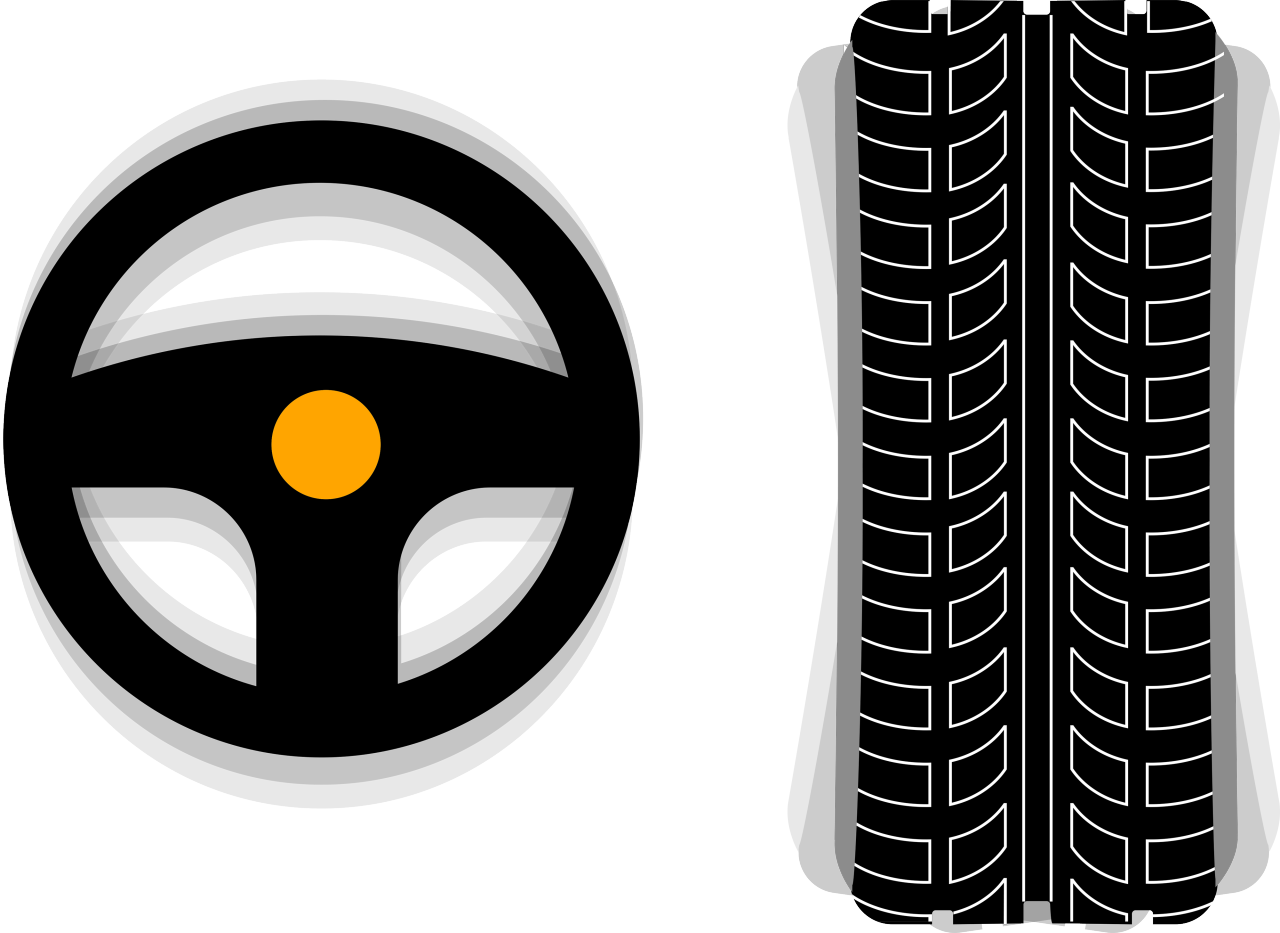
When one or more tires are out of balance on your vehicle, there are several common indicators:
Vibrations in the steering wheel, especially at speeds between 80 and 120 km/h (or 50 to 70 mph), are often caused by unbalanced tires with uneven weight distribution. Tire imbalance vibrations usually get worse at higher speeds and may be felt in the steering wheel, seat, or floor, depending on which tires are affected. Ignoring these symptoms can lead to further damage to your vehicle’s shocks, struts, and bearings, resulting in costly repairs.
Uneven tire wear is a symptom of unbalanced tires, often appearing as excessive wear on one side or in specific areas. Imbalances can cause feathered or scalloped edges on your tires, which are clear signs of irregular pressure. These wear patterns shorten the tires’ lifespan, leading to more frequent replacements and higher costs. Regularly checking your tires for uneven wear helps prevent expensive replacements and keeps your vehicle performing at its best.
Unbalanced tires can cause your vehicle’s fuel economy to drop below normal levels due to increased rolling resistance. The car has to work harder to maintain speed and stability, resulting in fewer kilometers per liter (or miles per gallon) over time. This decrease in fuel efficiency may be subtle but noticeable, especially if your driving habits haven’t changed.
Another sign of unbalanced tires can be noticeably louder driving noises due to uneven weight distribution and increased friction. Excess road noise is most apparent on rough surfaces or at higher speeds. A sudden increase in noise, beyond normal levels, may signal a tire imbalance.
If you notice one or more of these symptoms – even if the tires are relatively new – then it's possible your car has an imbalanced tire. Good to know: Imbalances are even more noticeable with larger wheel diameters. As a result, you will feel them more strongly in large vehicles such as sports cars or SUVs than in small cars.
There are different methods for tire balancing performed at your local garage; static balance, dynamic balance, and road force wheel balancing.
If there is only a slight imbalance to the tire, static balancing is a possible technique and relatively easy to do. The wheel and tire assembly is placed onto a vertical supporting device with a spindle or, equivalent to measure balancing, on one axis.
The heavier side will lean lower to the ground than the lighter side; once identified, the mechanic will place a small weight measuring fractions of an ounce 180 degrees across the plane of the tire, onto the flange of the wheel rim, until the balance is restored.
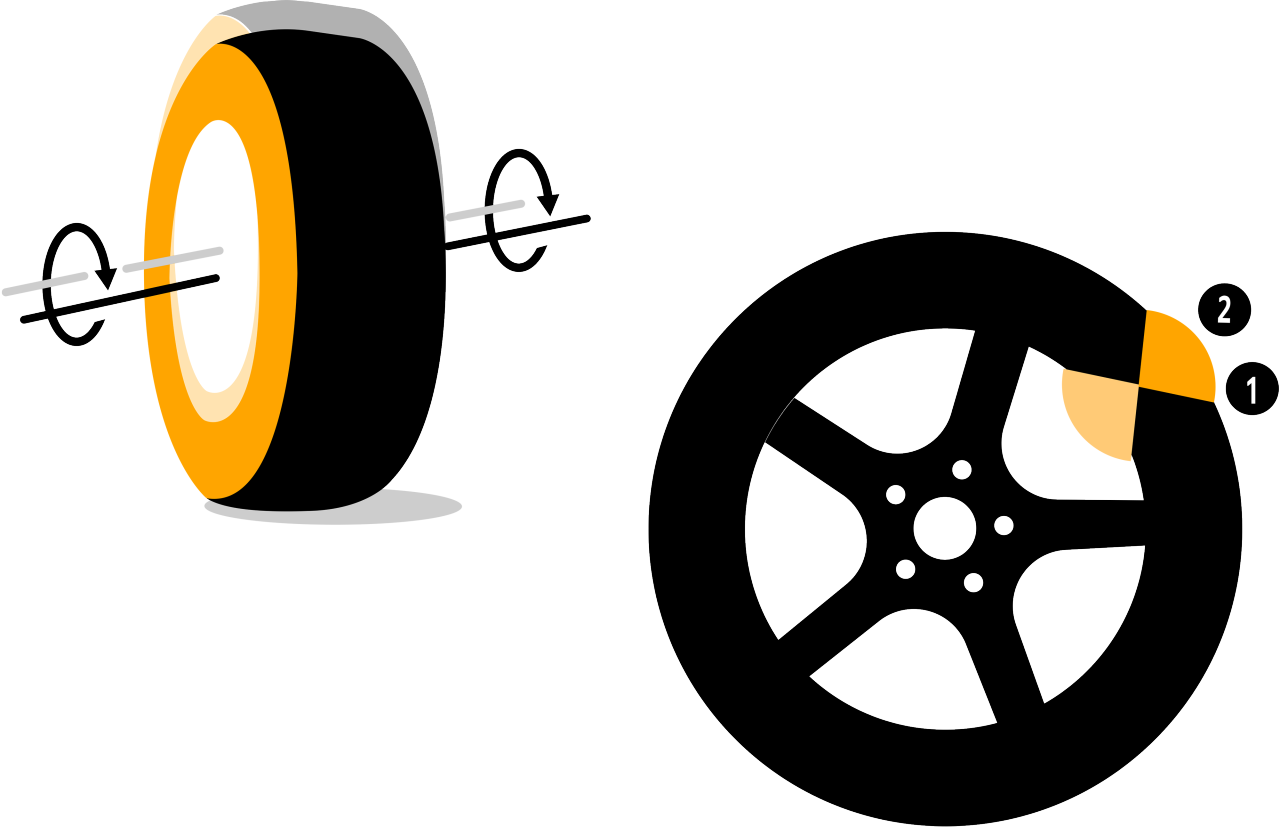
For more complex cases of tire imbalance, dynamic balancing is a technique using spinning computer balancers to measure the tire on all three axes. The mechanic places a fully assembled wheel and tire on a machine and rotates it at speeds ranging from 16 to 96 km/h (10 to 60 mph). As it spins, the sensors of the machine capture every single weight imperfection.
With the analysis complete, the computer then specifies how much weight the mechanic should apply, and where, to balance the tire. The small weights – either clip-on or adhesive weights – are added to both the inner and outer sides of the wheel rim, to provide the highest precision and balance.
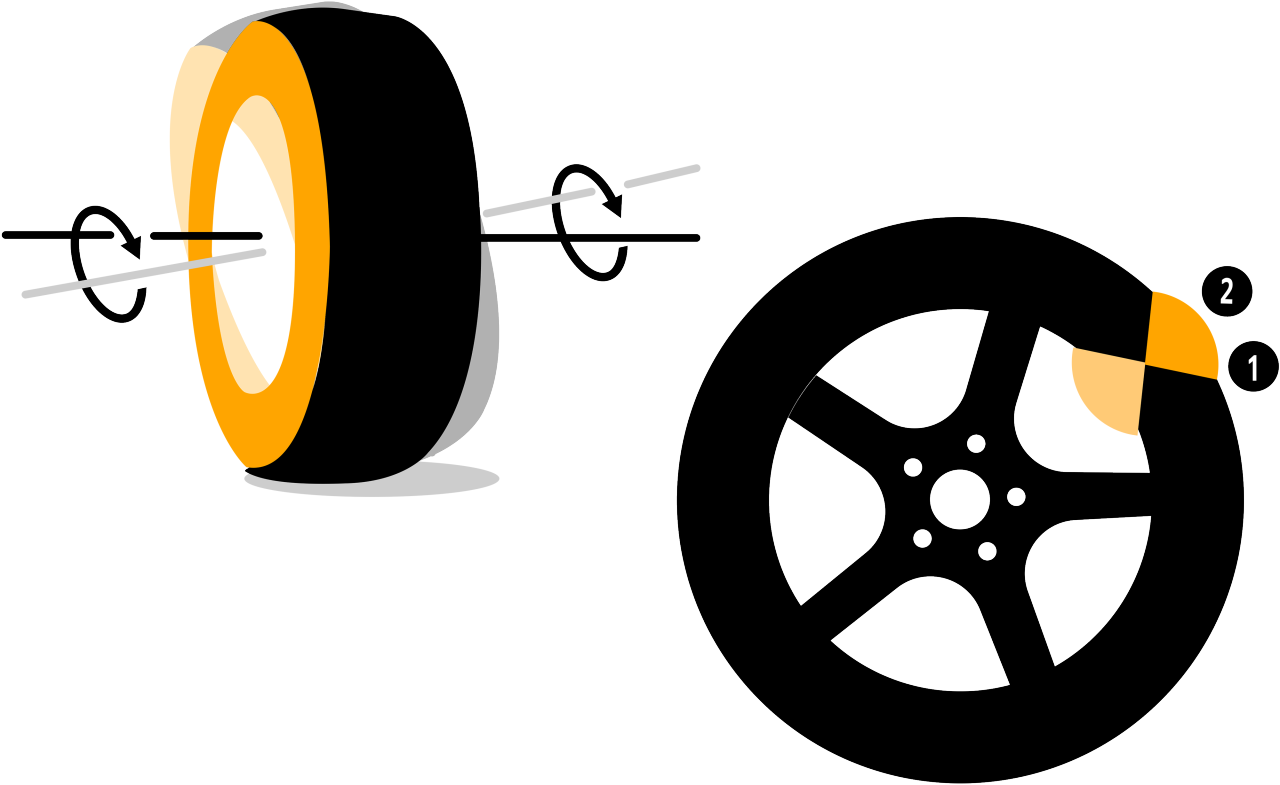
This is a more sophisticated method than standard wheel balancing. It can detect and correct imbalances that regular balancing might miss. A machine presses a roller against the tire and wheel assembly, simulating the force your tires experience when driving on the road. As the tire and wheel spin, the machine measures any variations in force. These variations indicate areas where the tire or wheel may not be perfectly round or where the load is not evenly distributed. By analyzing the force needed to rotate the tire, the machine can locate specific problem areas that standard balancing cannot detect.
There are no fixed intervals that apply to all vehicles. In many cases, it also comes down to personal preference. Some people have their tires balanced at every seasonal tire change, while others only do so when fitting new tires.
When the first signs of imbalance appear, professional balancing is necessary to positively influence the lifespan of your tires. At this point, the vehicle should also be checked for any additional damage caused by the imbalance.
Also, it's worth balancing the tires and wheels when:
Professional tire balancing typically costs between 5 and 12,50 € per tire, depending on your location, vehicle type, and the shop you choose. Some shops may offer the service as part of a package when you buy new tires.
It typically takes 30 minutes to 1.5 hours, but it can also take up to two hours depending on factors like the condition of the tires and the shop's workload. Newer tires or less severe imbalances will be fixed faster, while older, worn tires or complex issues can add time.
Tire balancing ensures that the weight of the tire and wheel assembly is evenly distributed, preventing vibrations and promoting a smooth ride. Wheel alignment, on the other hand, adjusts the angles of your vehicle’s wheels so they are set to the manufacturer’s specifications. While balancing addresses vibration issues, alignment helps your vehicle drive straight and prevents uneven tire wear.
Tire balancing services are available at most auto repair shops, tire retailers, and dealership service centers. You can search online for local providers or use map apps to find reputable shops in your area.
Balancing tires requires specialized equipment that measures weight distribution and applies correction weights. Without these tools, it’s not possible to achieve proper balance at home. For safety and the best results, tire balancing should be done by professionals.
Many tire shops and service centers offer warranties or satisfaction guarantees on their balancing services. These may include free rebalancing within a certain period or mileage if you experience vibrations. So, always ask your provider about their specific warranty or guarantee policies.