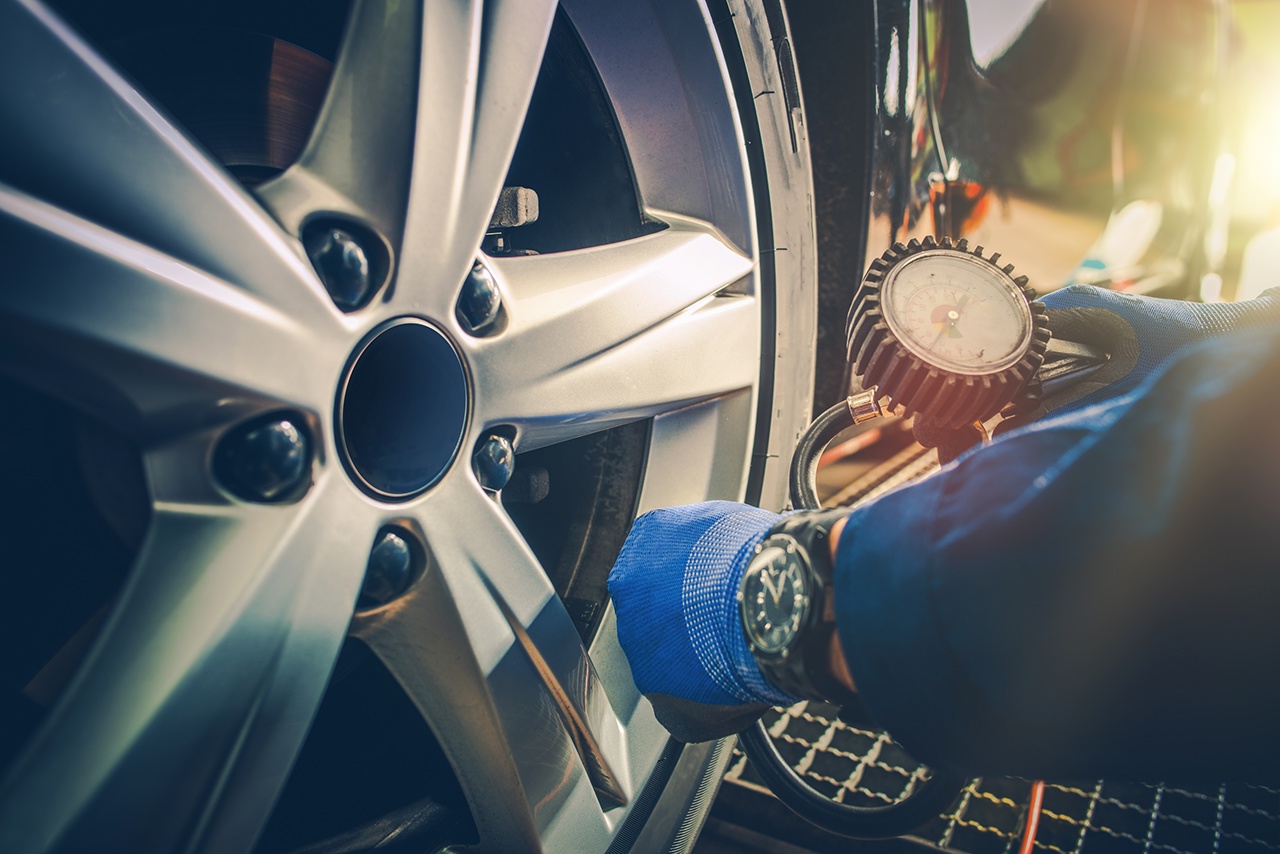
Rolling Resistance of Car Tires
Lower rolling resistance, greater efficiency: Discover how Continental is minimizing rolling resistance while maximizing safety.
Read more




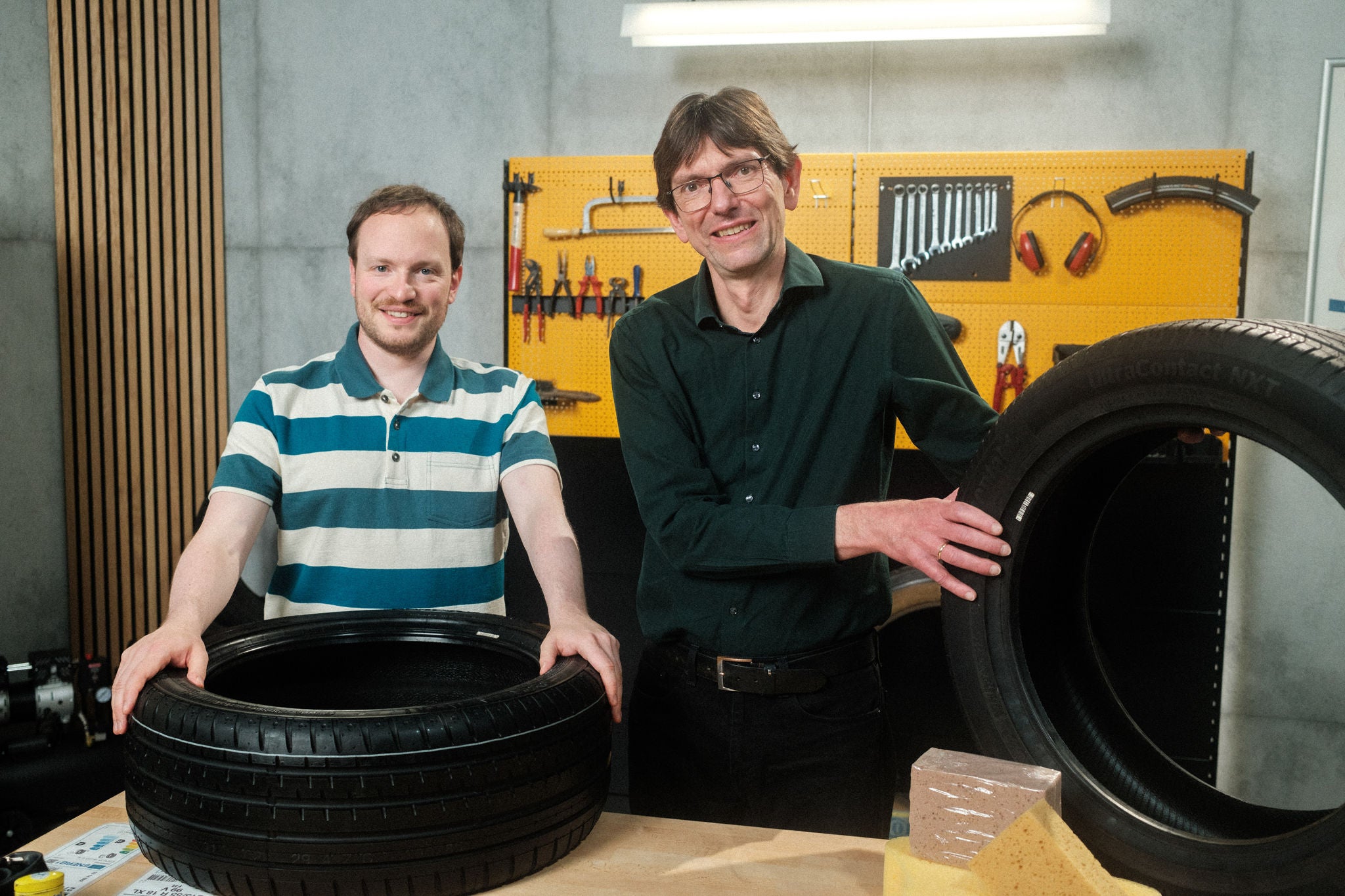
Rolling resistance affects how much energy a vehicle uses for each journey. In this interview, Dr. Christian Strübel, a rolling resistance expert at Continental, explains what this tire characteristic is all about, how it affects fuel consumption, range and grip, and why the EU tire label provides valuable guidance for consumers buying tires.
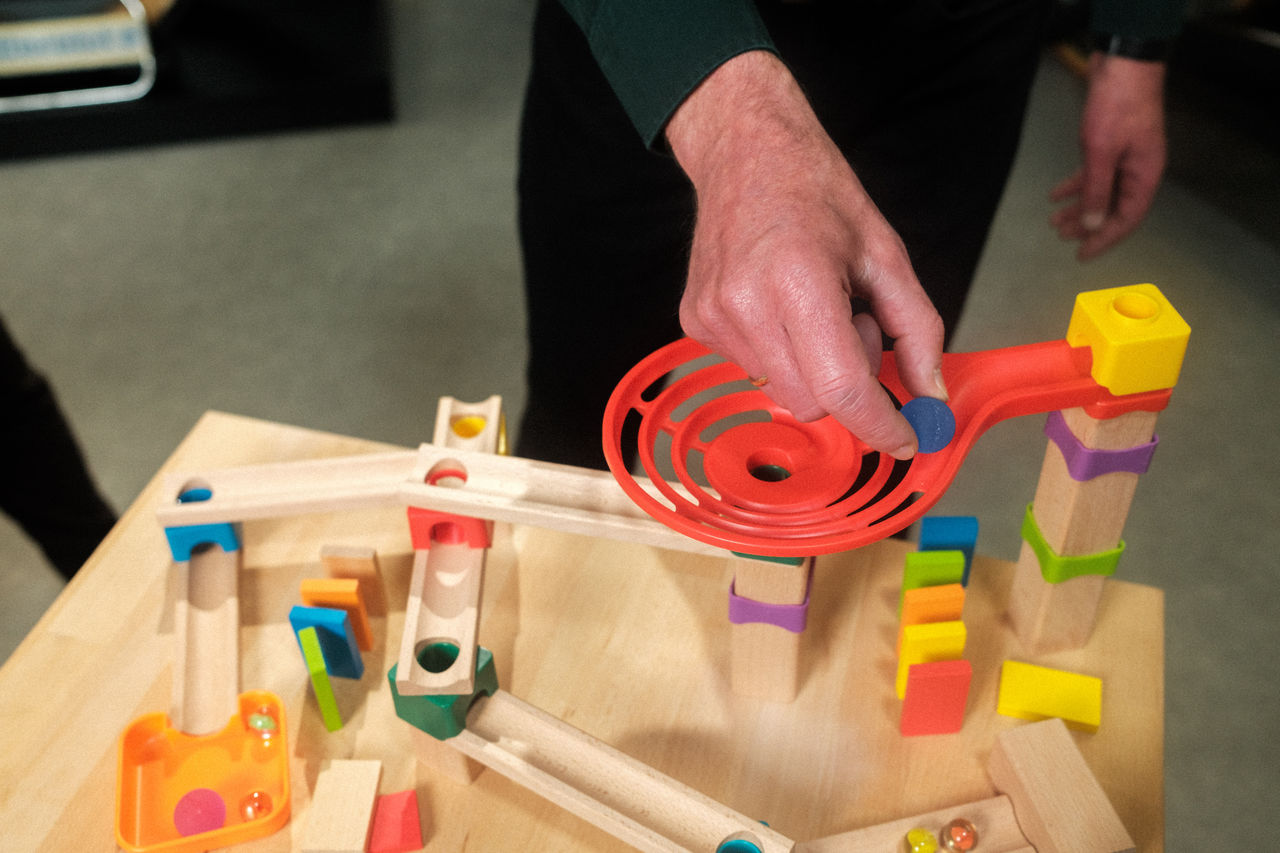
Sure. Imagine a kitchen sponge. When you squeeze and release it, it doesn’t immediately spring back into its original shape. It takes a moment. This delayed recovery is known as hysteresis. A similar thing happens in tire rubber during every rotation of the wheel.
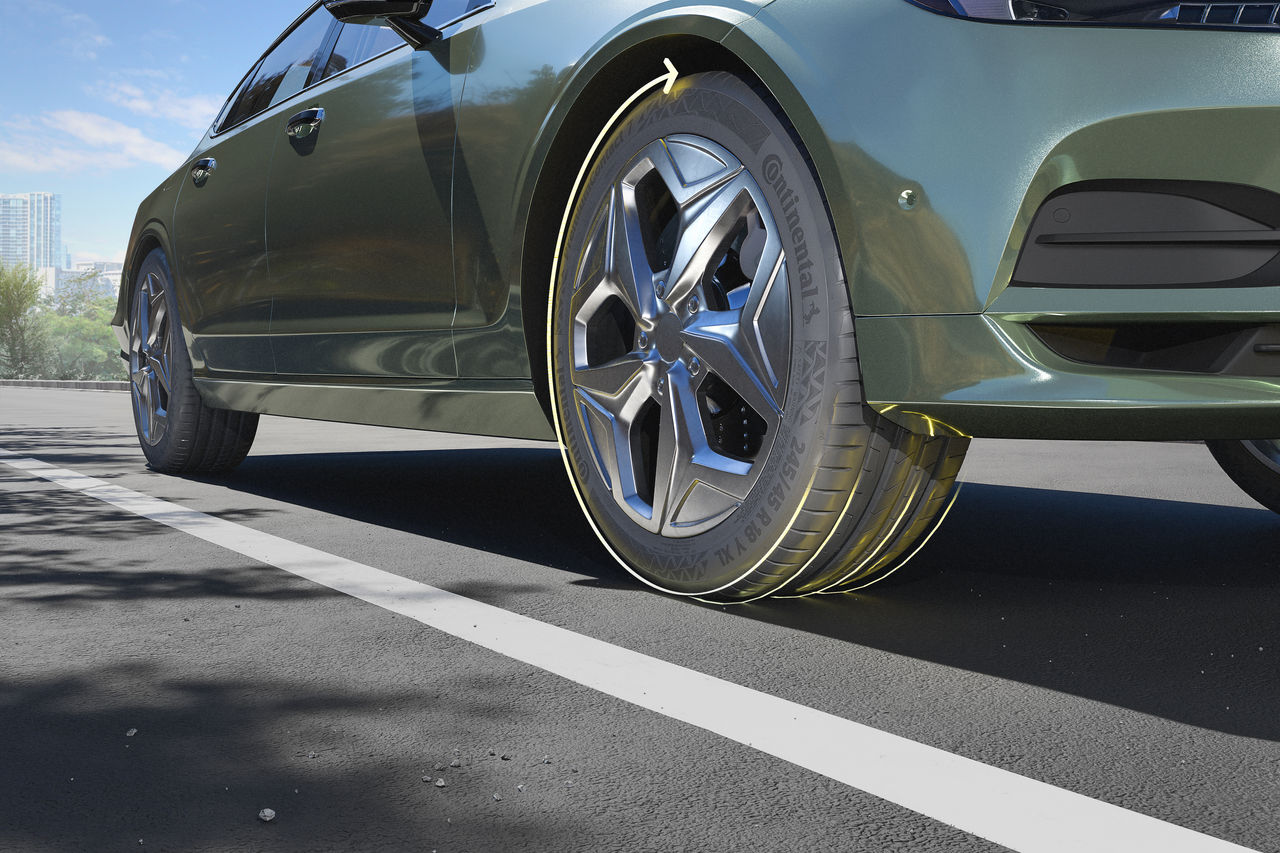
As a tire rolls along the road, it deforms around the area where it meets the road surface. As the rubber deforms and returns to its original shape, some energy is lost as heat. This loss of energy is what causes rolling resistance.

Usually, rolling resistance goes unnoticed. It happens continuously in the background, slowing the driver down a little during each journey. On its own, this force is relatively small. But over many hundreds of kilometers, its effect can result in considerable energy consumption.
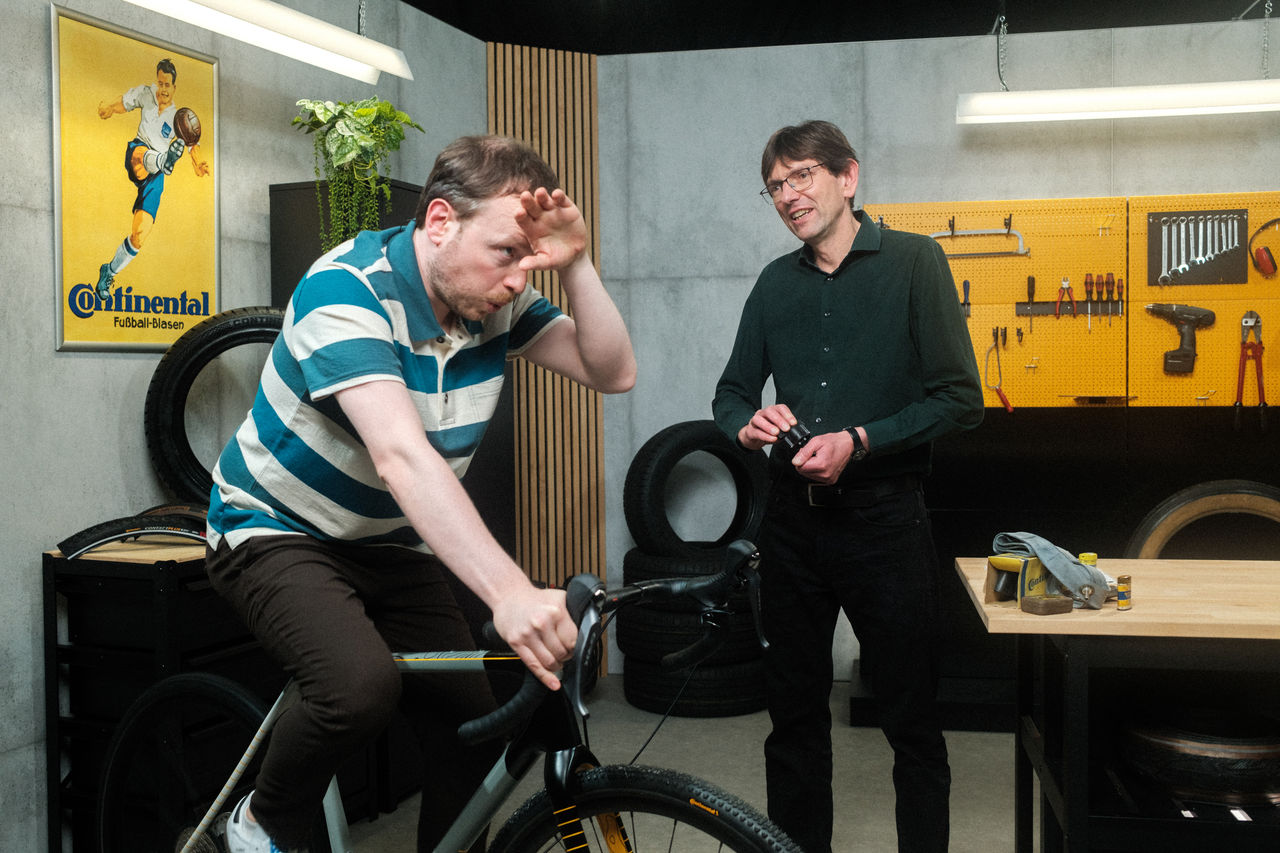
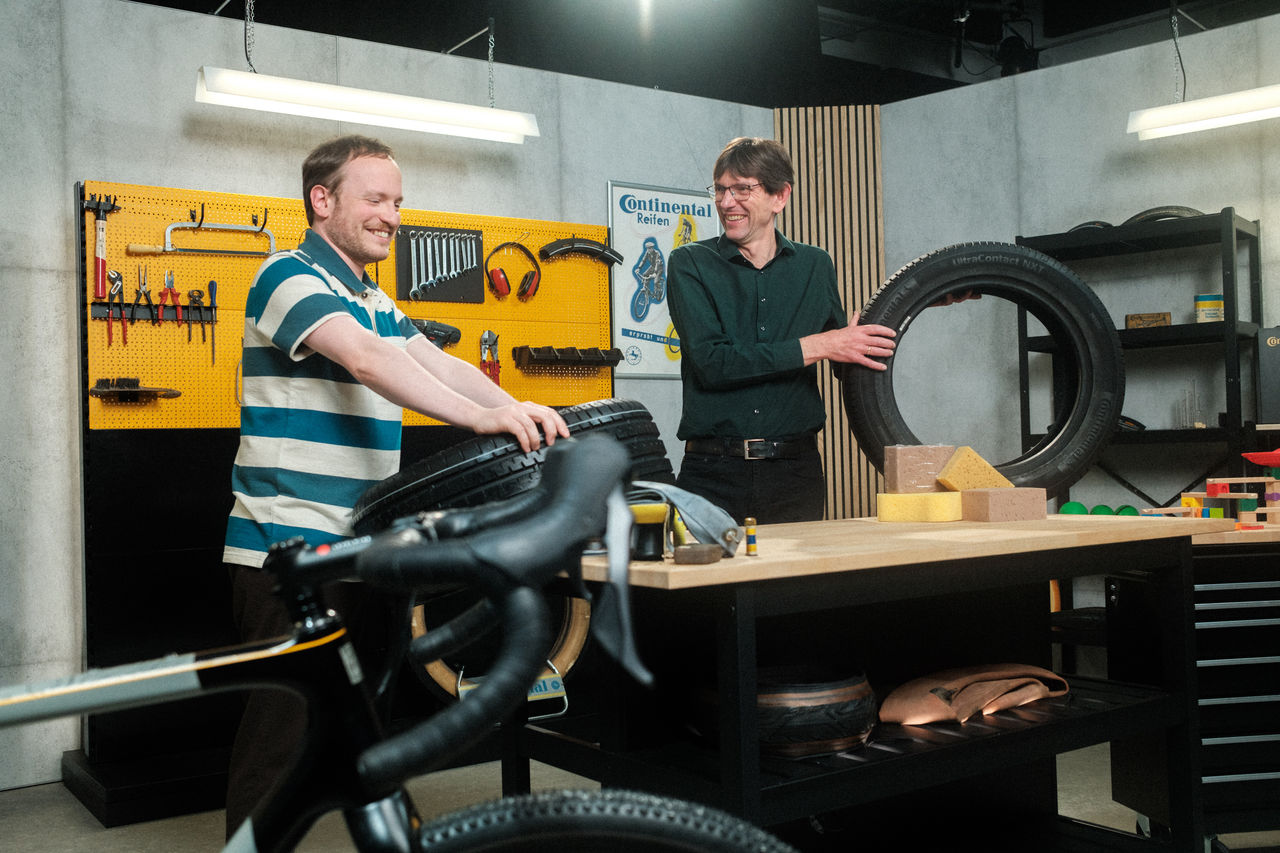
A good comparison is riding a bicycle. On smooth asphalt with tires that are pumped up to the ideal pressure, you can move forward with relatively little effort. But if you cycle over a thick carpet or through deep sand, you need to pedal much harder to maintain the same speed. And as soon as you stop pedaling, you quickly lose momentum. High rolling resistance has a similar effect. The difference is that, instead of your legs having to work harder, your car’s engine – or, in an electric vehicle, its battery – has to do the extra work.
The results are directly measurable. In vehicles with a combustion engine, fuel consumption increases. In electric vehicles, range decreases. That is why rolling resistance is one of the most important factors when it comes to improving vehicle efficiency and saving energy.
Unfortunately, it isn’t that easy. We’ve discussed how low rolling resistance means less energy loss. But at the same time, a tire needs sufficient grip on road surfaces, especially in wet conditions. On the one hand, deformation of the rubber causes energy loss and increases rolling resistance. On the other, it allows the tire to adapt to the road surface and provide grip. Reducing deformation too much would save energy. But it would also impair braking performance, especially on wet roads, and affect handling in corners.
The main challenge is therefore to strike the right balance between rolling resistance and safety.
That’s why we’re working on many factors at the same time. Specially developed polymers and fillers help reduce energy loss in the material without compromising grip. We also optimize the tire’s construction so that it deforms as controllably as possible as it rolls. Tread design plays an important role as well, since it affects how forces are distributed across the area where the tire meets the road.
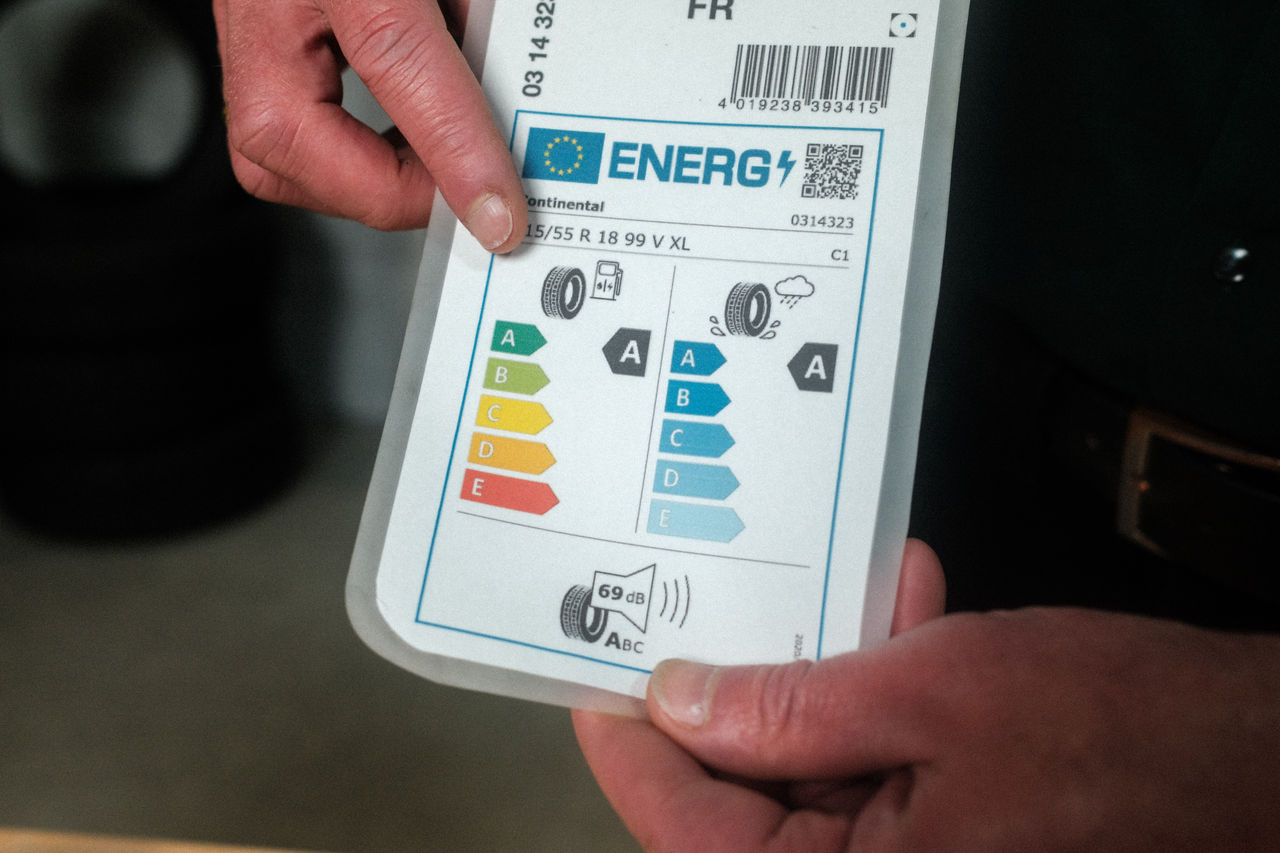
In the EU, we have the EU tire label. This is similar to the energy label that we see on fridges. It rates tires for rolling resistance, wet grip and rolling noise on a scale from A to E, with A representing the highest energy efficiency. Independent institutions rigorously assess how well a tire balances efficiency and safety. Tire labels are no longer just limited to Europe. Similar labeling systems are now used in many other regions around the world.
The benefit is evident in everyday life. Tires with lower rolling resistance require less energy to keep the vehicle moving. In vehicles with a combustion engine, this can noticeably reduce fuel consumption. In electric vehicles, it can increase range.
 The Continental Tires Garage Episode 5 - Experiment Puncture Protection
However, it’s important not to focus on efficiency alone. A good tire must also offer a high level of safety. That is why the EU tire label covers both rolling resistance and wet grip. This gives consumers greater transparency and helps them choose a tire that is both efficient and safe.
Ultimately, the label shows that even small differences in rolling resistance can have a big impact. Choosing a particularly efficient tire can reduce energy use and running costs, while also lowering the emissions caused by driving.
Take a look at the tire label’s ratings for rolling resistance and wet grip. A good tire should score highly in both categories. A cheaper tire with a poor rating may save you money upfront, but it can cost you more in the long run because of higher fuel consumption or reduced range.
And don’t forget tire pressure: underinflated tires considerably increase rolling resistance and shorten tire life. It is always worth checking tire pressure regularly – ideally every two weeks.
.jpg/_jcr_content/renditions/cq5dam.web.1280.1280.jpeg)