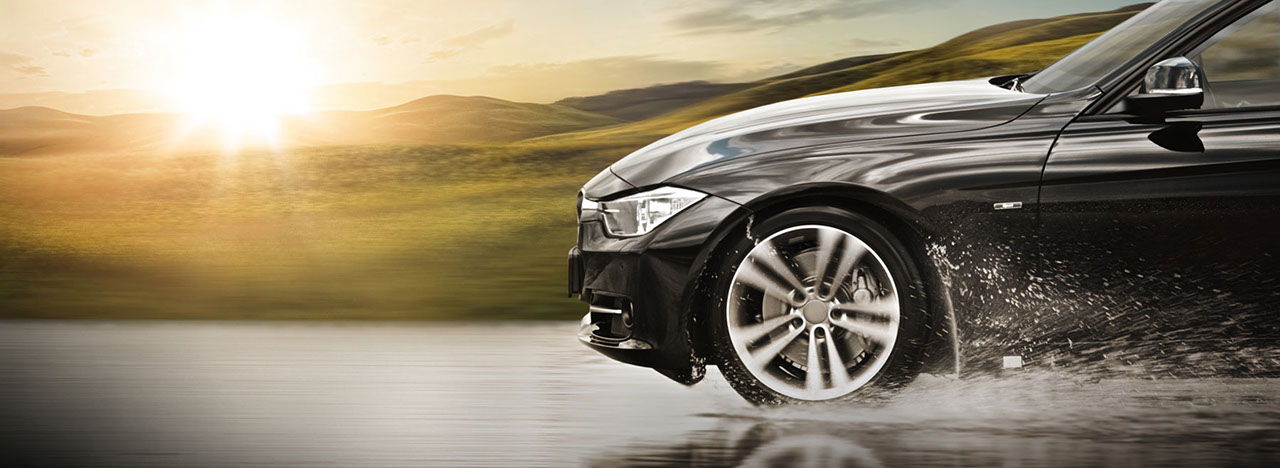
All you need to know about aquaplaning
Read more




When wet weather strikes, road conditions can change. Driving in the rain is much more challenging than in clear weather. Follow these safety tips for driving in heavy rain.
Out driving during a downpour? Heavy rain makes it harder to see and more difficult to stop. There are other risks involved, too – like aquaplaning.
New tires or tires that are well-maintained with optimal tread depth will contribute to a safer rainy-day driving experience. The rest is up to careful and conscientious driving.
We will explain why driving in heavy rain can be extremely dangerous, how you prepare, and what you should do when driving in heavy rain.
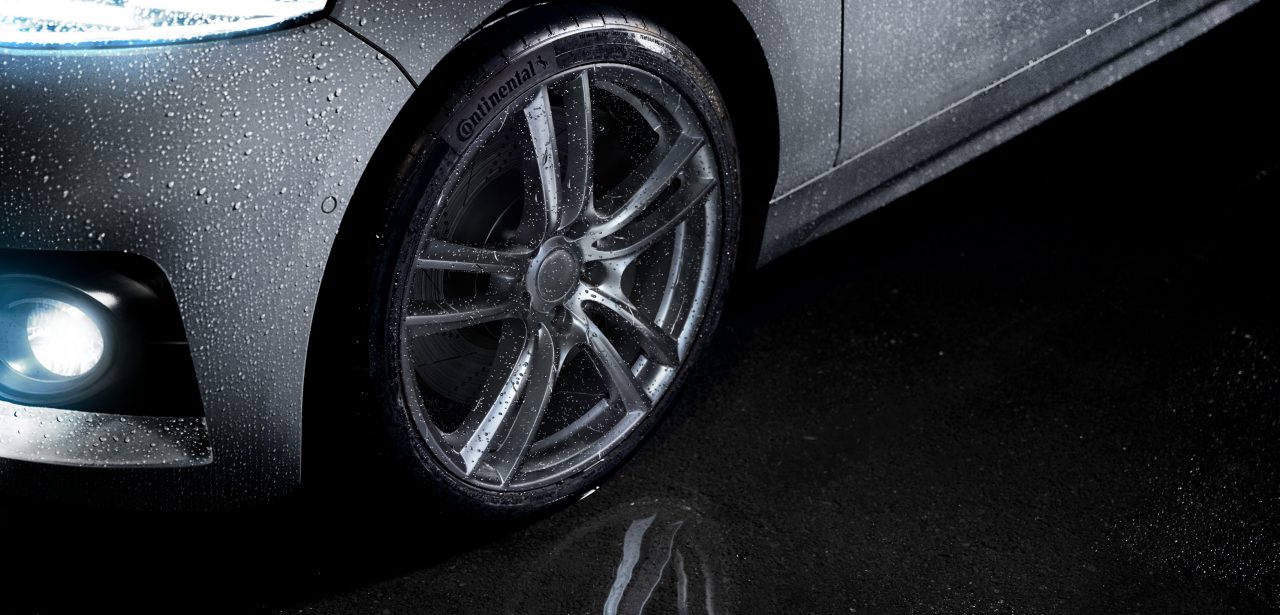
Safety in the rain starts before you even turn the key. When visibility is low and roads are slippery, you rely heavily on your vehicle’s equipment. Perform these quick checks to ensure that your car is up to the challenge of a downpour.
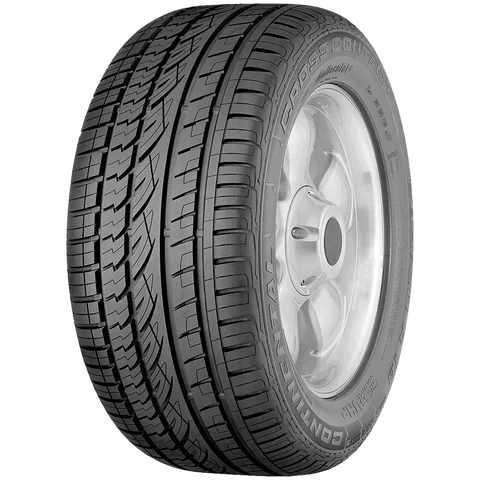
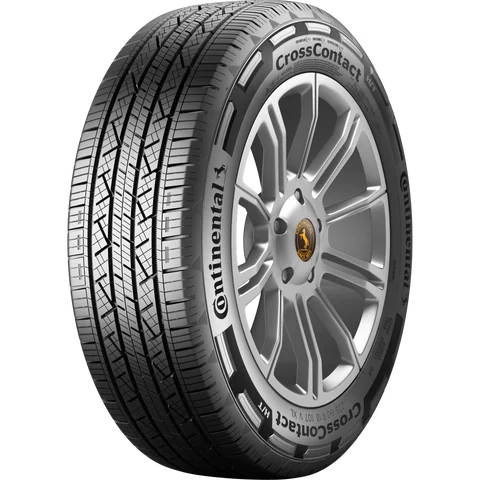
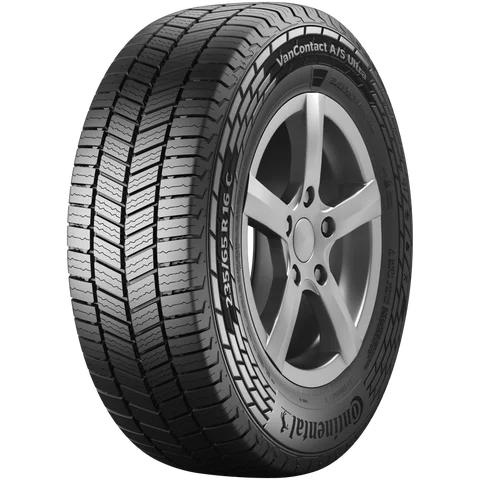
Your tires are the only point of contact between your car and the road. In heavy rain, the tread grooves act as channels to push water away from the surface.
Tread Depth: Check the tread wear indicators. Tires with low tread are significantly more prone to aquaplaning.
Tire Pressure: Ensure that your tires are inflated to the manufacturer’s recommended PSI. Under-inflated tires can distort the tread pattern, reducing the tire’s ability to clear water.
For a complete step-by-step guide, read our Tire Inspection Checklist to ensure your tires are road-ready and safe in all conditions.
If you can’t see, you can’t drive safely. Heavy rain can overwhelm old or damaged wiper blades in seconds.
In a storm, your lights aren’t just for you to see – they are also for others to see you.
Before a storm hits, make sure that your vehicle's core systems are reliable. Wet weather puts extra strain on your brakes, so listen for any squealing or grinding noises and ensure that the pedal feels firm.
Additionally, heavy rain often coincides with colder temperatures or increased electrical load from wipers, defrosters, and lights, which can drain an aging battery. A quick “health check” of your battery and brake pads ensures that your car has the stopping power and electrical reliability needed to navigate a downpour safely.
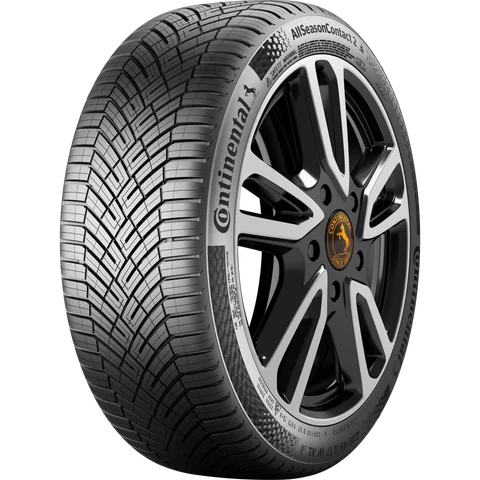
You can’t control the weather. But you can be prepared.
View details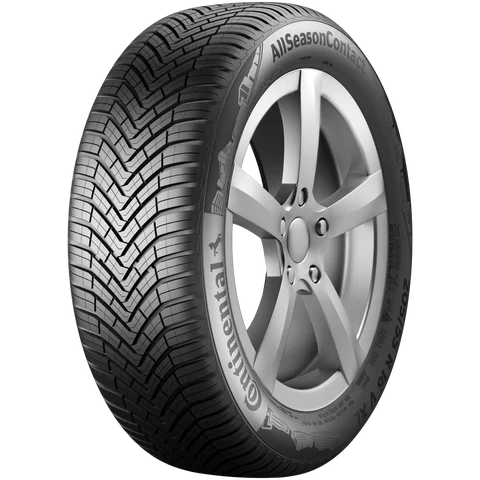
Once you are behind the wheel, your driving behavior is the most critical factor in staying safe. Follow these expert guidelines to navigate wet roadways with confidence.
This is a no-brainer. Stay below the speed limit. The slower you’re going, the better control you’ll have over your vehicle. Reducing your speed is the most effective way to stay safe. It gives you more time to react and significantly shortens your stopping distance while driving in heavy rain and on slick pavement.

Maintain a larger gap between yourself and other vehicles to account for increased stopping distances on wet roads. As a rule of thumb, you should double your normal following distance. This extra space also protects your windshield from the heavy spray of other (particularly larger) vehicles, which can dangerously obscure your vision.

Switch on your headlights to increase your visibility and ensure your brake lights are working. Many regions legally require headlights during rain to improve road safety. For the best visibility, always use low beams rather than high beams in heavy downpours.
These top three rules are essential for safety in wet conditions. But that’s not all there is to know about driving in heavy rain. Read on for more tips to stay safe on wet and flooded roadways.
While cruise control is a great feature for dry highways, it is dangerous in wet conditions. If your vehicle begins to aquaplane while cruise control is active, the system may try to maintain a constant speed by accelerating. This can cause your wheels to spin rapidly, leading to a total loss of traction and control. Always maintain manual control of your speed so you can react instantly to changes in the road surface.
The first rain after a dry spell can make for some of the most dangerous driving conditions. Why? Because the road is often most slippery immediately after it starts to rain, especially if it hasn’t rained in a while. Rain mixes with oil and debris on the road, causing a particularly slick road surface. This can put you at higher risk of losing control. Treat the first hour of rainfall with extreme caution until the oil has had a chance to wash away
It is nearly impossible to judge the depth of a puddle or a flooded section of the road. One of the risks is hydrolock: Even a small amount of water sucked into the engine intake can cause permanent engine failure. You also risk losing control of your vehicle: Just 15 cm (6 in) of water can reach the bottom of most passenger cars, leading to a loss of control or stalling.
The golden rule: “Turn around, don’t drown.” If you see water covering the road, find an alternate route.
In wet weather, your brakes are not going to respond as quickly as they would in dry conditions. Try to look as far ahead on the road as possible, and slow down by taking your foot off the gas – rather than hitting the brakes. Avoid using them unless needed. Braking suddenly on a wet road can cause your car to skid. To stay safe:
High-speed travel significantly increases your risk during a storm. On the highway, try to stay safe in the middle lanes, as water tends to pool in the outside lanes and near the shoulders.
Be especially mindful of large trucks and buses, their oversized tires can spray massive amounts of water onto your windshield, momentarily blinding you.
Also, increase your following distance to at least double what it would be in dry weather.
Aquaplaning is one of the most frightening experiences a driver can face. It occurs when a layer of water builds up between your tires and the road surface, causing the vehicle to lose traction and “float.” When this happens, your steering and braking become ineffective.
If your steering suddenly feels “light” or the car starts to slide, follow these steps:
Heavy rain brings a secondary hazard fog and heavy mist. Reduced visibility can make it difficult to judge distances and identify hazards until it is too late.
A common concern among new electric vehicle owners is whether it is safe to drive or charge their car during a heavy downpour. Because water and electricity are usually a dangerous mix, many worry about the risk of electric shock. However, EVs are engineered with rigorous safety standards that make them perfectly safe for wet-weather driving.
The high-voltage components in an EV – including the battery, motor, and connectors – are hermetically sealed and carry high Ingress Protection (IP) ratings. This means the electrical system is protected against powerful jets of water and even brief immersion. You can drive through heavy rain, use a car wash, or charge your vehicle at a public charging station in a storm without the risk of a shock or damage to the battery.
Interestingly, EVs have a slight advantage over internal combustion engine (ICE) vehicles in deep water because they don’t have air intakes. While a traditional engine can “hydrolock” if water is sucked into the intake, an EVs powertrain is entirely self-contained. However, this is not an invitation to drive through floods.
What’s also important to keep in mind:
The road is most dangerous during the first few minutes of rainfall, as the water mixes with accumulated oil, grease, and dust, creating a slick, greasy film.
Stay calm, take your foot off the accelerator, and avoid braking or turning the steering wheel abruptly. Wait until you feel the tires regain grip.
Generally, no. In many countries, it is illegal to drive with hazard lights on as it can confuse other drivers who might think you are stopped. Use your headlights instead.
You should at least double your normal following distance. The six-second rule is a good benchmark for wet conditions to ensure enough stopping distance.
It is best to avoid it. If you cannot see the ground, you don’t know the depth or if the road underneath is washed out. Just 15 cm (6 in) of water can reach the bottom of most passenger cars, causing loss of control or stalling.
Stay inside your vehicle and turn on your hazard lights to remain visible while sheltering from the elements. If you are stranded in rising water, exit the car immediately and move to higher ground to avoid being swept away.