# Tire Knowledge

Driving at night

Safety tips

Fast facts

  • Ensure proper tire maintenance and quality before getting on the road at night.  
  • Optimize headlight usage for your benefit as well as others driving near you.  
  • Always stay alert, combat fatigue, and don’t hesitate to take a break if you need it. 
  • Reduce glare and improve visibility, especially in darker, unlit areas.

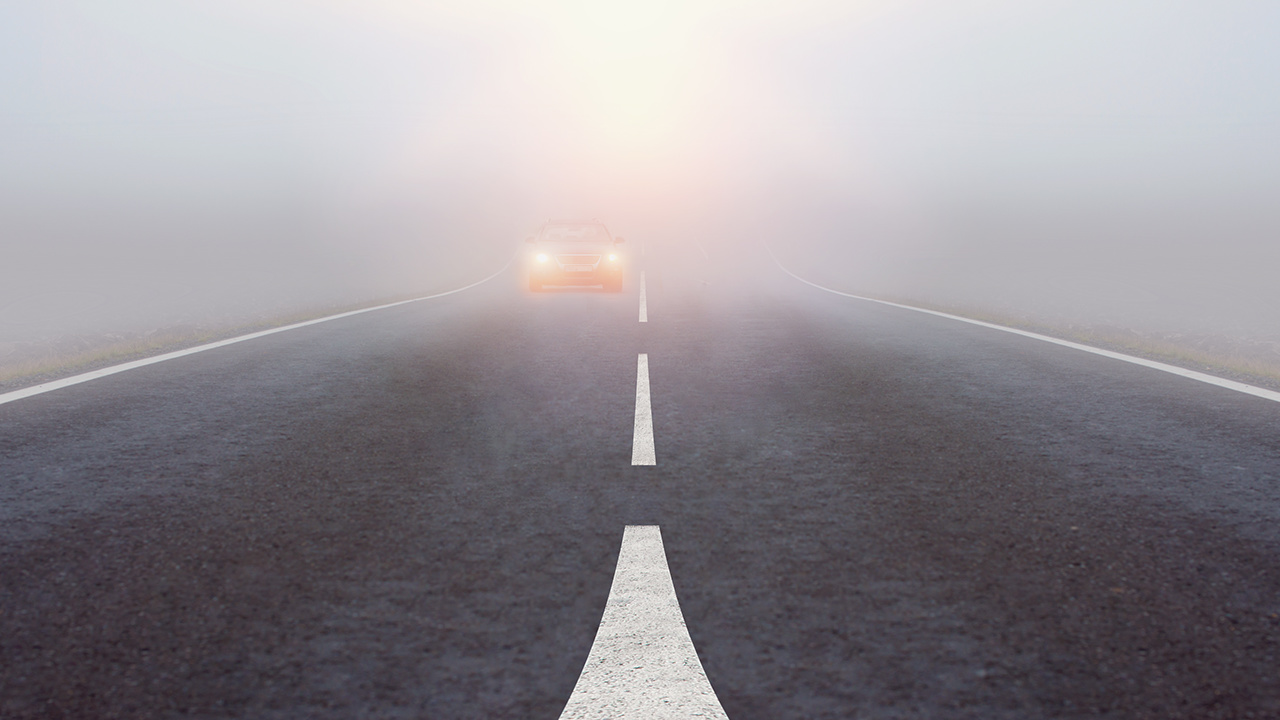
Car on a road by night


When it comes to driving at night or during darker conditions in the late afternoon or during severe weather, there are specific considerations that can greatly enhance your safety and comfort. Key factors to focus on include tire maintenance, optimal headlight usage, staying alert and combating fatigue, and strategies to reduce glare and improve visibility. By keeping these aspects in mind, you can ensure a smooth and safe nighttime driving experience. ​


Is driving at night more dangerous?

Driving at night is significantly more dangerous than during the day: 50% of fatal crashes happen at night, even though only 25% of driving occurs after dark. Key dangers are:

  • Reduced visibility: Darkness compromises depth perception, color recognition, and peripheral vision.
  • Impaired driving: There is a higher likelihood of encountering drivers under the influence of alcohol.
  • Glare: Oncoming headlights can cause temporary blindness and reduce visibility.

The impact of fatigue and limited visibility

Fatigue is one of the main causes of nighttime accidents. The body’s natural circadian rhythm means alertness drops during late evening and nighttime hours. In addition, reduced visibility in the dark makes it more difficult to see obstacles, road signs, and other road users in time. Also, the range of your headlights is limited, so hazards often appear with little warning.

Weather conditions like rain, fog, or snow can further decrease visibility and make driving at night even more challenging. Drivers often underestimate the effects of fatigue and poor visibility, which can lead to risky behavior and a higher chance of accidents.

Safety tips for night driving

Driving after dark presents unique challenges, including reduced visibility, increased glare, and longer reaction times. Ensuring that your vehicle's lighting system is working properly is one of the most important steps you can take to improve safety and see potential hazards more clearly.

Adjusting and using vehicle lighting properly


Always check that your vehicle’s lights (headlights, taillights, brake lights, and turn signals) are working before you drive at night. Use your headlights from dusk until dawn, and in any situation where visibility is reduced (e.g., rain, fog, snow). Also check the following points:
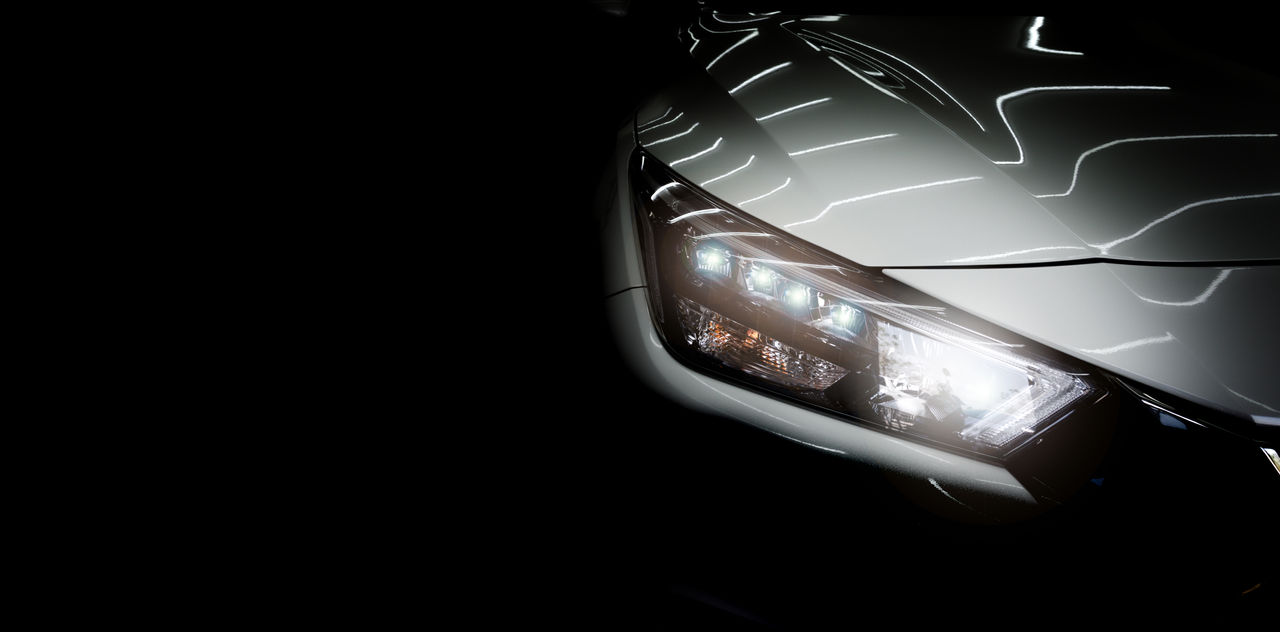
  • Clean headlights: Ensure your car's headlights are clean, unobstructed, and correctly aligned. Dirty or misaligned headlights can significantly reduce visibility. ​
  • High beams: Use high beams on unlit roads but remember to switch to low beams when approaching or following other vehicles to avoid blinding fellow drivers! ​
  • Replace dim bulbs: Dim headlight bulbs limit the range of your headlights. Replace them to improve visibility and your presence on the road.
Modern headlights

Keeping the windows clean for optimal visibility

  • Clean windshield: Keep both the front and rear windshields clean, inside and out, to minimize obstructions and glare from oncoming traffic. Ensure your car has an adequate supply of wiper fluid. 
  • Working wiper blades: Replace worn or damaged wiper blades to ensure a clear view in rain or snow.
  • Avoid reflections: Remove any objects from the dashboard that could reflect in the windshield and cause distractions.
  • Anti-glare coating: Consider applying an anti-glare coating to your front windshield to reduce the impact of headlights and streetlights. 
  • Use the center line: In the absence of clear lane markings, rely on the center line as a guide to stay in your lane, particularly on winding or poorly lit roads. 

Adjusting speed and following distance

Even if the roads are empty at night, you should always regulate your speed, because hazards can be harder to see. Always keep these precautions in mind:

  • Reduce speed: Drive slower at night, as limited visibility gives you less time to react to unexpected hazards.
  • Increase following distance: Maintain at least a four-second gap behind the vehicle in front of you to allow for extra stopping time.
  • Watch for wildlife: Be especially cautious in areas where animals may cross the road and reduce your speed accordingly.
  • Avoid sudden maneuvers: Change lanes and brake gradually to give yourself and others more time to respond safely.

Recognizing and preventing driver fatigue

Remaining alert is critical for safe nighttime driving: ​

  • Schedule breaks: Plan regular breaks during longer drives to combat driver fatigue. Even a short rest can make a significant difference. Choose designated, well-lit areas for breaks. ​
  • Stay hydrated and rested: Ensure you're well-hydrated and get a good night's sleep before embarking on a long nighttime journey. Consider caffeine (coffee, an energy drink, etc.) for a quick energy boost if needed. Simple things such as chewing gum, having upbeat music playing, and rolling down the windows can also help maintain alertness. ​
  • Share driving duties: Whenever possible, share driving responsibilities with someone to reduce fatigue and enhance overall safety. Ensure that the other person is well-rested and alert.

Adaptive headlights can make driving at night safer

Adaptive headlights automatically adjust their direction and range based on your steering and speed, helping you see better at night. These systems reduce glare for oncoming drivers and provide more consistent illumination of the road ahead.

Night vision systems use infrared or thermal cameras to detect pedestrians, animals, or obstacles beyond the reach of your headlights, alerting you early to potential hazards.

Both technologies work together to increase your reaction time and overall safety when driving in the dark. They are especially valuable for people frequently driving at night or traveling on rural or poorly lit roads. Many modern vehicles offer these features.

What to do in case of an accident or breakdown at night


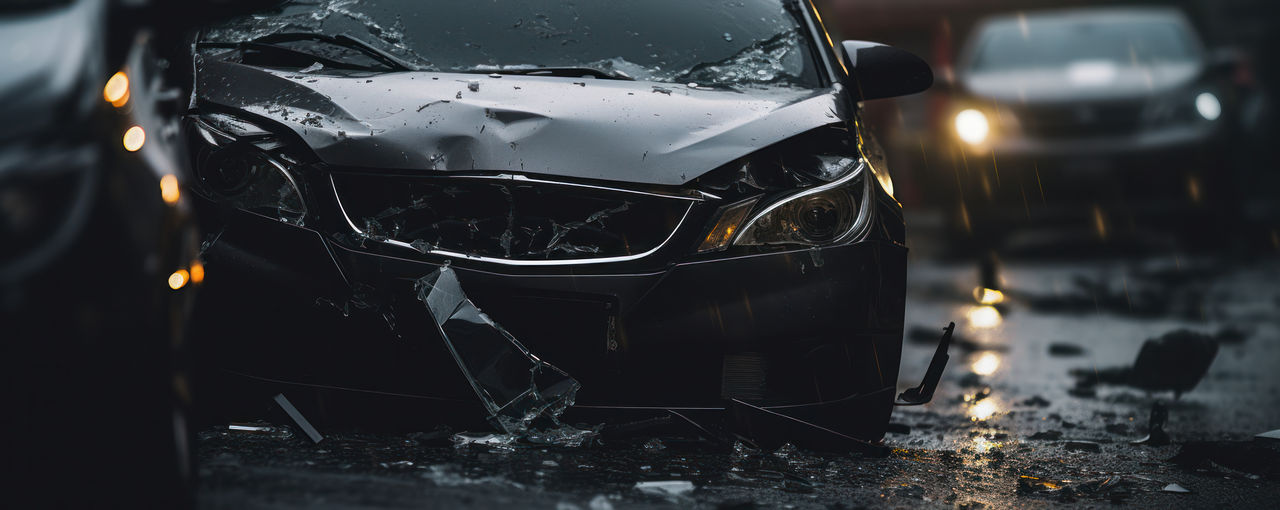
Car accident at night

When an accident or breakdown happens at night, darkness and reduced visibility make the situation even more stressful and potentially dangerous. Staying calm and following the right steps is essential to keep yourself and others safe until help arrives. Here’s what to do if you experience an accident or breakdown at night:


  1. Stay calm and assess the situation. 
    Take a moment to breathe and stay calm. Check yourself and your passengers for injuries, keeping in mind that it may be harder to see injuries in the dark.

  2. Move to a safe, visible location. 
    If your vehicle is still operable, carefully pull off the road to a safe, well-lit area, such as a shoulder or rest stop. Avoid stopping in dark, hard-to-see places or on curves.

  3.  Turn on hazard lights and all vehicle lights. 
    Immediately activate your hazard lights and keep your headlights and taillights on to make your vehicle as visible as possible to other drivers in the dark.

  4. Increase your visibility. 
    If you have reflective triangles, cones, or a safety vest, place them behind your vehicle to alert approaching traffic. Only exit the vehicle if it’s safe and you can be seen by others.

  5. Stay inside the vehicle when it is safe to do so.
    Unless there is an immediate danger, such as fire, smoke, or the vehicle being in an unsafe location, remain inside your car with your seatbelt fastened and the doors locked. This is especially important at night, when visibility is reduced and passing drivers may have difficulty spotting pedestrians near the roadway. However, if your vehicle is stopped in a particularly hazardous location, such as the shoulder of a high-speed motorway, and it is safe to do so, follow local authority guidance. In some situations, moving away from the vehicle and standing behind a safety barrier may provide greater protection from passing traffic.
  6. Call for emergency assistance

    Use your phone to make an emergency call or to contact roadside assistance. Clearly describe your location (use distance markers, GPS, or landmarks if possible), the situation, and any injurie.

  7. Share only essential information
    Provide necessary details to emergency responders. Avoid sharing personal information with strangers who may stop. 

  8. Wait for help and stay safe
    Stay calm while waiting for assistance. Reassure your passengers and avoid confrontations with other parties involved. Keep your doors locked until help arrives.


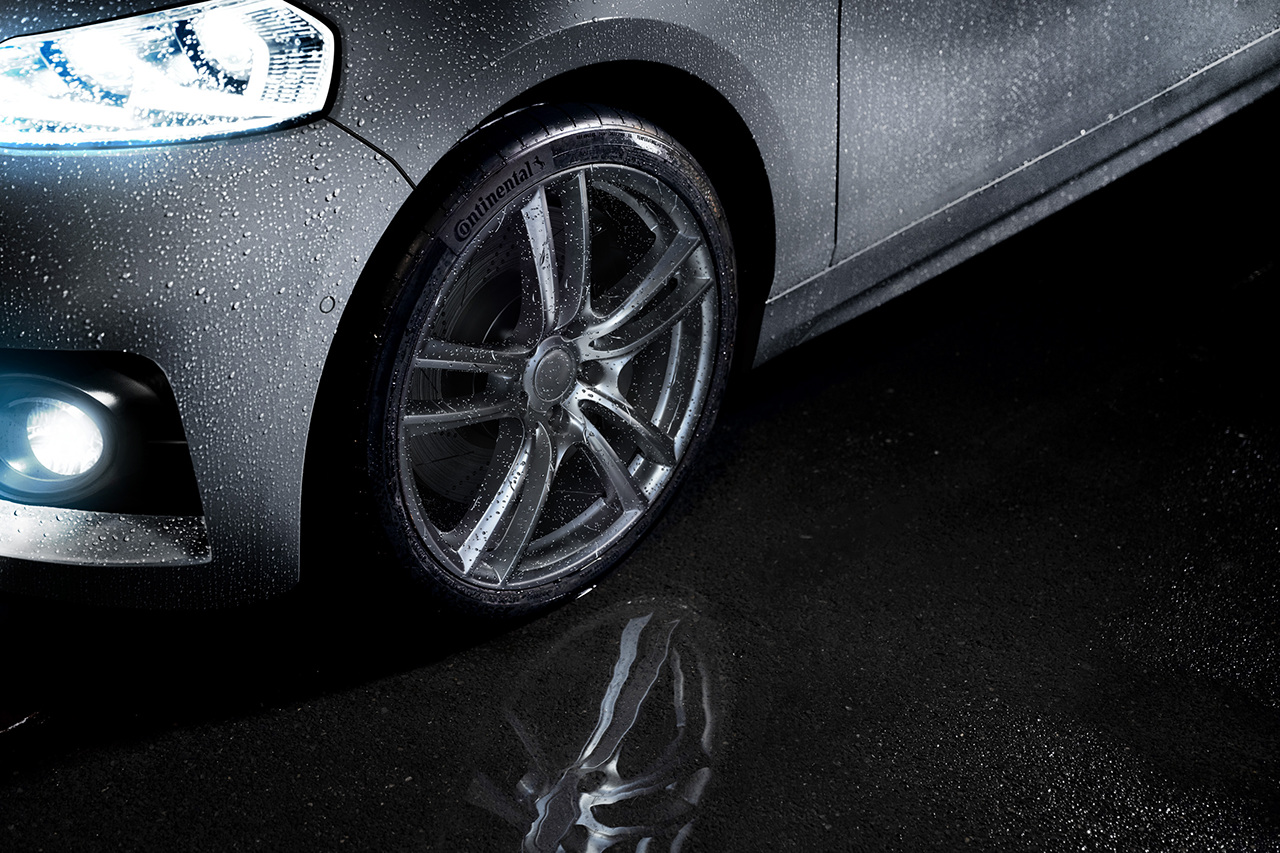
Check your tires before a longer nighttime drive


Maintaining your tires in good condition is crucial for safe nighttime driving: ​
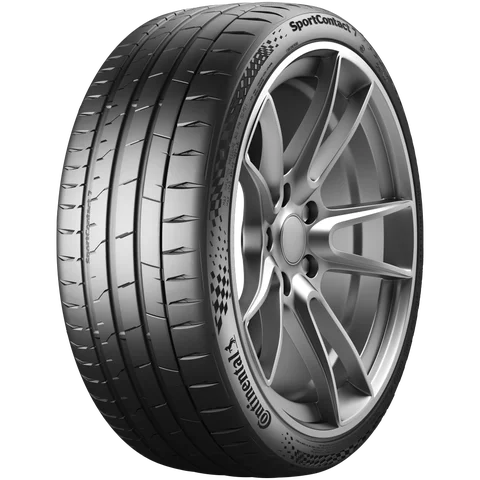
  • Tire pressure: Regularly check and maintain the recommended tire pressure to ensure optimal traction and handling on the road. 
  • Tire tread: Keep an eye on tire tread depth to prevent dangerous situations, especially on wet or slippery roads, which can be harder to see at night. ​
  • Alignment and balance: Ensure your tires are properly aligned and balanced to avoid uneven wear, which can affect stability and handling – an important consideration for nighttime driving.

Find your tires

Product picture SportContact 7
Sporty Hero
SportContact 7

Stick to your dreams. And to the asphalt.

View details
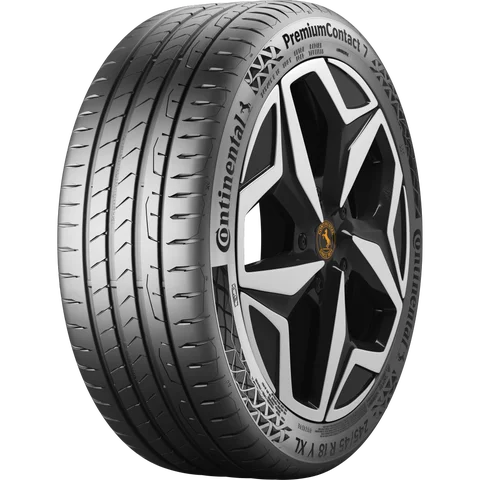
PremiumContact™ 7
Comfortable Rider
PremiumContact 7

Driving safely has never felt better.

View details
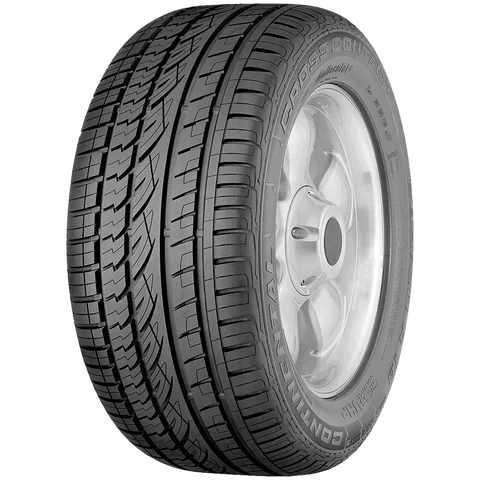
Product image CrossContact UHP
ContiCrossContact UHP

Puts 4x4 performance safely on the road.

View details
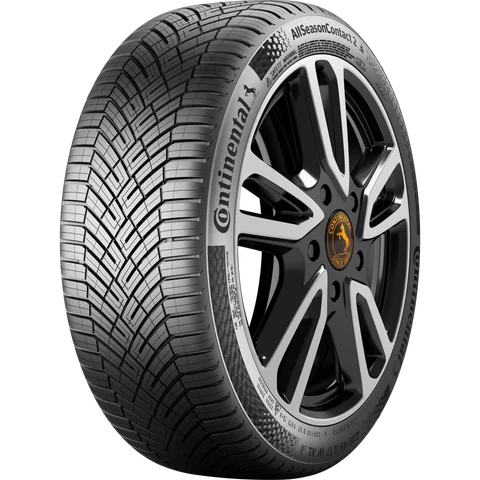
Continental AllSeasonContact 2 tire
All-round Leader
AllSeasonContact 2

You can’t control the weather. But you can be prepared.

View details
Find your tire

Frequently asked questions about night driving

To reduce glare from oncoming headlights, look slightly toward the outer edge of your lane rather than directly at the lights. To generally minimize reflections, keep your windshield clean inside and out. In addition, adjust your rearview mirror to the “night” or anti-glare setting if available. If you wear glasses, consider lenses with an anti-reflective coating. 

If you start to feel tired while driving, pull over as soon as it’s safe and take a short break. Even a quick nap or a walk can help restore alertness. Never try to push through fatigue! Driving while drowsy is as dangerous as driving under the influence. If possible, switch drivers or find a safe place to rest before continuing your trip.

Stay alert by taking regular breaks, keeping the car cool and well-ventilated, and listening to upbeat music. Avoid heavy meals before driving, as they can make you sleepy. If you’re driving with someone, engage in conversation to stay focused.

If you feel drowsy, stop and rest. Don’t rely on temporary fixes like opening the window or turning up the radio as a long-term solution.

Always use your low beam headlights from dusk until dawn and in any low-visibility conditions. Engage high beams on dark, empty roads, but switch back to low beams when other vehicles approach. Use fog lights only in foggy or poor weather conditions and turn them off when visibility improves.

Make sure your taillights and license plate lights are also working.