Driving in snow
Read more




This article covers essential tips for staying safe on winding roads. Perhaps you're aware of these basic principles already, but many drivers are not. A little refresher course might be useful!
Whether you're new to driving or already experienced behind the wheel, the rule is the same for everyone: avoid driving at an excessive speed on a curvy road. This principle holds true for both a winding road around a hill or a quiet roundabout in a suburban town.

Curvy roads place different demands on both drivers and vehicles than straight road sections. Even gentle bends can change the driving situation by limiting the view of the road ahead. Upcoming hazards, oncoming traffic or changing road conditions become visible much later than on straight stretches.
This restricted visibility makes a proactive driving style especially important, as potential dangers are often recognized late and there is little time to react without adjusting the speed in advance.
Another risk comes from the limited opportunities for evasive maneuvers. On tight or poorly visible curves, narrow shoulders and restricted visibility mean that errors – like excessive speed or poor positioning – or suddenly appearing obstacles can lead to a loss of control more quickly than on open, clearly visible road sections
You will often see road signs that warn you of an approaching curve with a recommended speed limit. But why is a winding road potentially hazardous in a driving situation? Because when a vehicle navigates a bend, there are two distinct types of motion taking place. Centrifugal forces will try to push the car outwards, and the tires will have to work harder to resist these forces as they navigate the curvy road. If a driver drives though a curve at a speed that's too high, the tires will gradually lose their grip and begin to skid.
First of all, there's the momentum of the car moving forward. Secondly, inertia pulls the vehicle's body toward the outside of the curve.
Braking while steering reduces the tire’s available grip for cornering because a tire can only use a limited amount of traction for both braking and lateral force at the same time, so braking in a bend can increase the risk of losing grip and control.
Tires play a decisive role in how safely and precisely a vehicle handles curves, as they are the only point of contact between the car and the road. Their ability to maintain consistent grip under lateral stress directly determines how effectively forces are managed during cornering. Advanced tread designs are engineered to optimize the distribution of pressure across the contact patch, ensuring better adherence and responsiveness even under demanding conditions.
At the same time, specially formulated rubber compounds enhance traction across a range of temperatures and surfaces, while reinforced sidewalls improve stability by reducing deformation. Together, these characteristics allow the vehicle to follow the intended path more accurately, providing the driver with greater confidence and control on winding roads.
Key factors influencing cornering performance include grip, rubber compound, tread design and sidewall stiffness.
Tires designed for higher grip can generate greater lateral forces, helping the vehicle remain stable and predictable through curves. The size and behavior of the contact patch also affect how evenly forces are distributed and how consistently the vehicle responds to driver input.
Maintaining the correct tire pressure ensures an optimal contact patch, which improves handling and stability. Incorrect pressure can worsen cornering performance and vehicle response. The pressure should be adjusted based on the load and manufacturer recommendations.
Tires play a crucial role on curvy roads because they are the only connection between the vehicle and the road surface. When cornering, they must manage the lateral forces created by steering to keep the vehicle on its intended path. The ability of a tire to do this effectively has a direct impact on stability, control and steering precision.
Choosing tires that are suited to the vehicle, driving style and conditions helps maintain reliable traction and confident handling on winding roads, where demands on grip and stability are higher.
Before setting off, take a moment to check your tires—they play a crucial role in grip, steering accuracy, and overall stability. Making sure your tire pressure is correct, the tread depth is sufficient, and the tires match the season helps maintain solid road contact and reduces the risk of losing traction in bends. A quick check using a Tire Inspection Checklist can be an easy way to spot potential issues early and ensure your car is ready for more demanding driving conditions.
For a safe drive on curvy roads, the condition of the tires is particularly important. Tires with the right rubber compound for the season, intact tread, and correct air pressure provide optimal grip, stable vehicle control, and precise handling, especially in tight or consecutive curves. Unevenly worn, damaged, or inappropriate tires can reduce traction and significantly increase the risk of losing control.
In addition to the tires, brakes, steering, and suspension should also be checked before driving. Only a properly maintained vehicle can respond reliably to steering and braking inputs and safely transfer forces through curves.
Clean windshields and windows improve overall visibility, allowing drivers to see the road, other vehicles, and hazards more clearly. Dirt, streaks, or smears can reduce your visibility and increase glare, which can make driving less safe.
As you move through the curve, following a clean and natural line helps distribute forces evenly, while gentle steering inputs prevent sudden loss of traction. Once you reach the exit, gradually returning to your lane and accelerating progressively ensures that control is maintained throughout the maneuver. This step-by-step approach not only improves safety but also results in a more comfortable and predictable driving experience on winding roads.
When approaching a curve, slow down appropriately and position your car to the side of your lane which is opposite the direction of the curve. If the road winds to the right, for example, move to the left side of your lane.
As you continue to drive through the curve, smoothly steer toward the other side of your lane.
When approaching the end of the bend, gradually ease back to the normal position in your lane.
Once the vehicle is straight and you have fully exited the curve, accelerate smoothly and progressively.
This driving technique follows the line of the widest possible arc; it reduces the severity of a curve, thus placing less stress on the tires and reducing the risk of skidding out of control. Moreover, drivers have a more unobstructed view of the road ahead and more time to react to any hazards.
On winding roads, a useful technique is to turn the steering wheel as little as possible without crossing the centerline. Utilizing the full width of your lane can help you take the curve more easily and improve your line of sight.
In addition to reducing speed, drivers must stay alert for other vehicles and oncoming traffic while driving through a curve.
This is not a recommendation to completely cut across the inside of a bend on a public road, as this would lead you into the path of oncoming traffic and endanger other drivers as well. If other vehicles are too close to the center of the road while you are driving through a curve, it could put you at risk of a head-on collision.
Whether on wet roads, snow and ice, or loose or uneven surfaces, adjusting your speed and using smooth, controlled inputs is essential to maintain grip and stability throughout the bend.
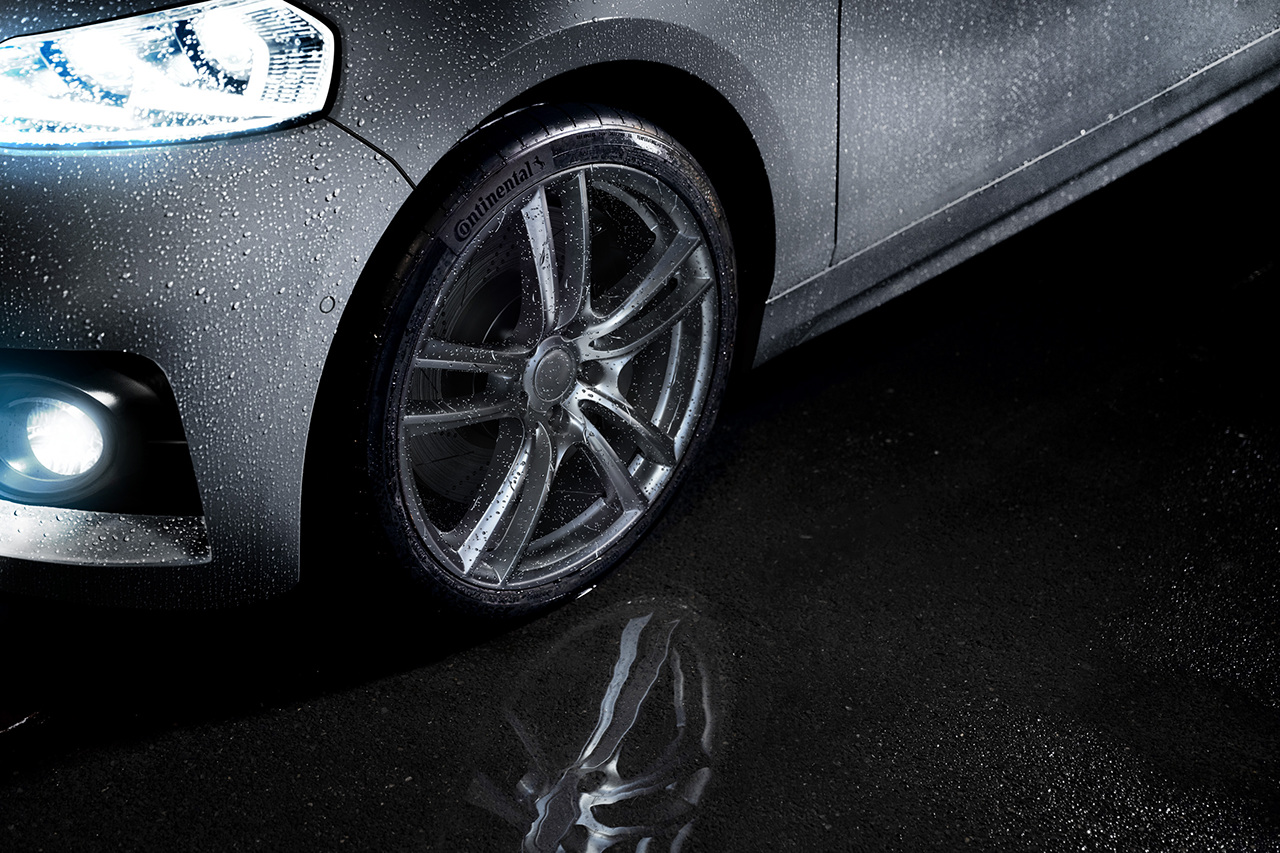
Rain significantly reduces traction, especially in curves. Lowering speed before entering a bend, increasing following distance, and using smooth steering, braking, and acceleration help maintain control. Drivers should also watch for standing water or wet leaves, which can further reduce grip.
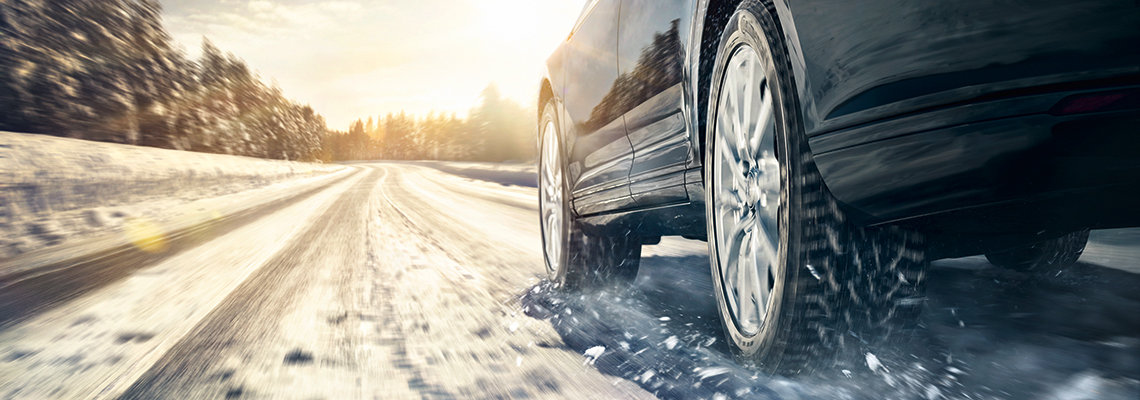
Snow and ice greatly limit tire grip and increase the risk of skidding on curvy roads. It is essential to slow down early, avoid abrupt inputs, and steer as smoothly as possible. Use extra caution, as icy patches may be difficult to see and can cause sudden loss of control.
Loose gravel and damaged road surfaces reduce tire contact with the road and can make steering unpredictable in curves. To prevent loss of traction on uneven or unstable surfaces, keep your speed down and be gentle with the steering and brakes.
Poor visibility when driving at night further restricts already limited sight lines on curvy roads. Using appropriate lighting, staying alert, and anticipating surface hazards such as wet patches or debris allow drivers to react safely despite reduced visibility.
If the vehicle does begin to skid on a winding road, don’t react with panic when you find that the brakes, accelerator, and steering wheel aren't working as usual.
Instead, take your feet off the brake and accelerator. Both hands should remain loose on the steering wheel, but not make any sudden movements.
The critical thing is to avoid oversteering and hitting the brakes too hard. After the vehicle has had time to slow down, regain control safely; gently apply the brake and begin steering again.
Entering a curve at excessive speed can force sudden braking, shifting the vehicle’s weight forward and reducing grip at the rear wheels. This imbalance increases the risk of losing stability or control. If the rear begins to slide, remain calm, ease off the pedals, and gently steer while looking in the direction you want the vehicle to go. Smooth inputs help the tires regain traction.
Position your car on the side of the lane opposite the curve’s direction when entering. Follow the widest arc through the curve and gradually return to the center of your lane when exiting. This reduces stress on the tires and improves visibility.
Tires are the only contact between the car and the road. Choosing tires with appropriate tread, rubber compound, and sidewall stiffness improves grip, steering response, and stability in curves. High-quality tires reduce the risk of skidding, especially in tight bends or consecutive curves.
Reduce your speed as you approach a curve. Watch out for road signs warning of upcoming curves so that you have ample time to slow down. It is recommended to drive below the posted speed limit as you approach and drive through curves.
Reduce speed, use low-beam headlights or fog lights, and watch for reflective road markings. Limited night visibility requires slower cornering and increased caution.